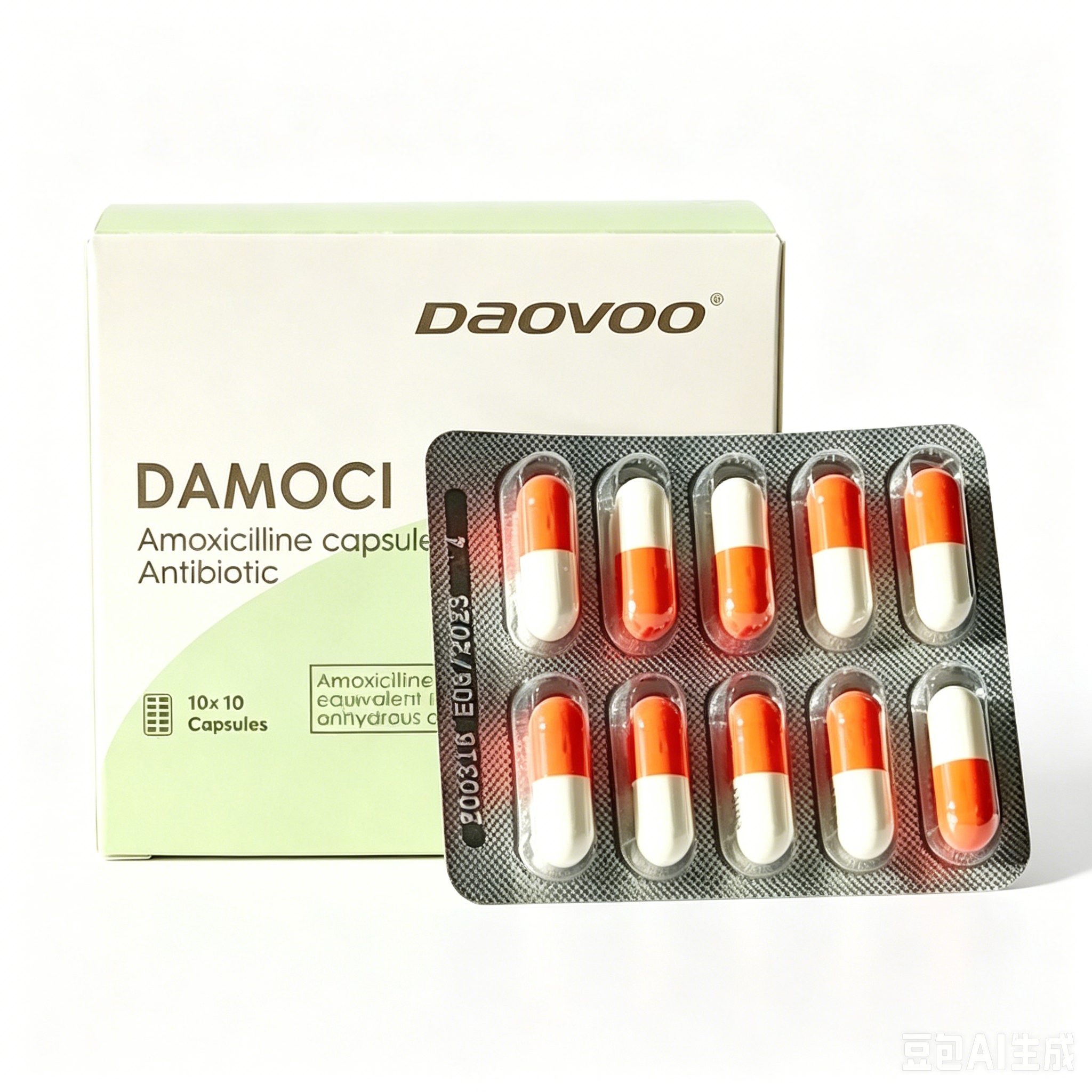
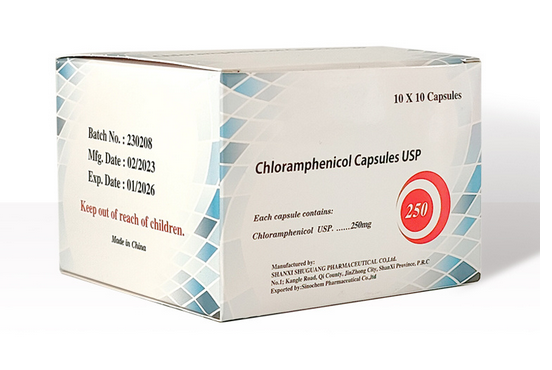
Chloramphenicol Capsules
Pharmacological category: Amphenicol antibiotics, broad-spectrum bacteriostatic drug
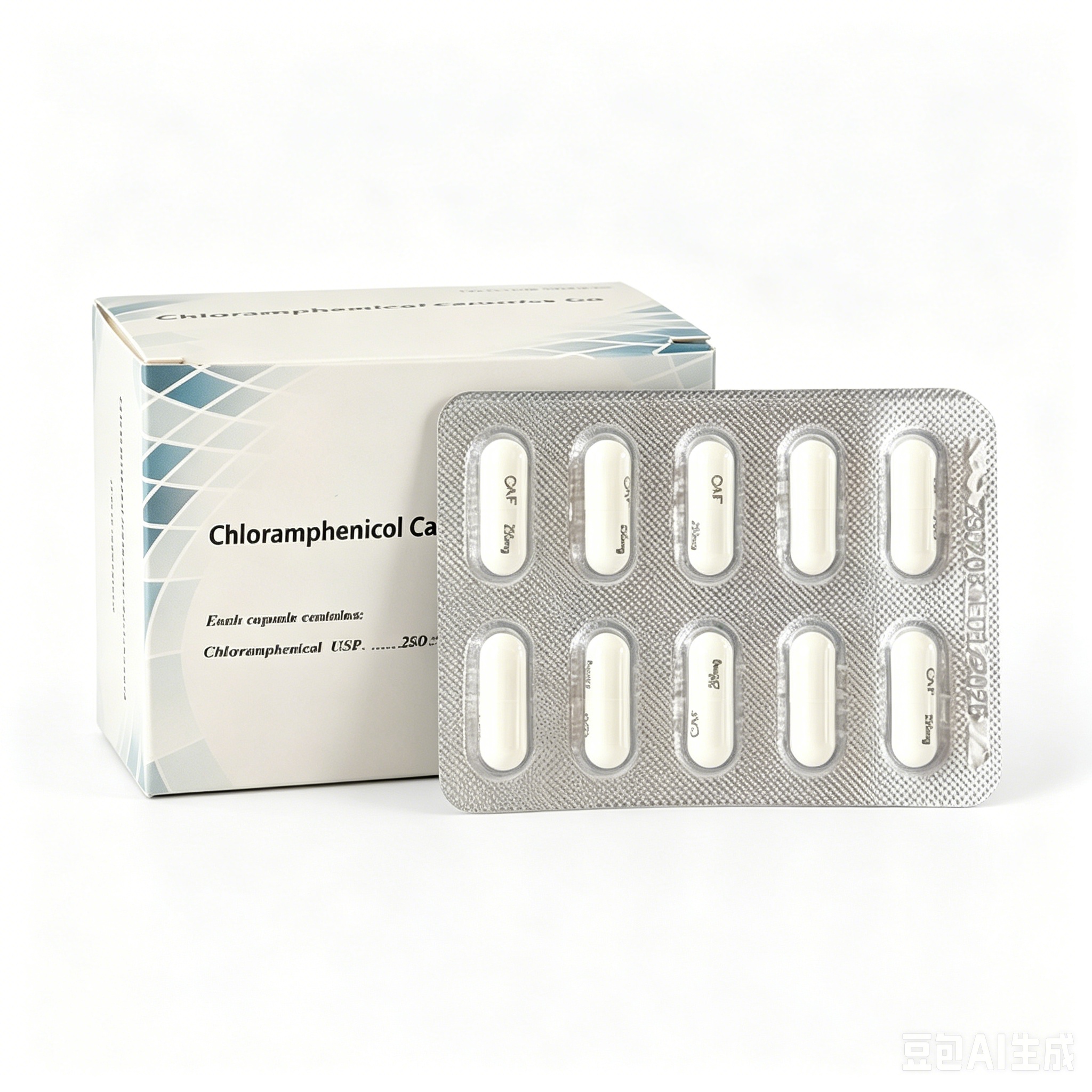
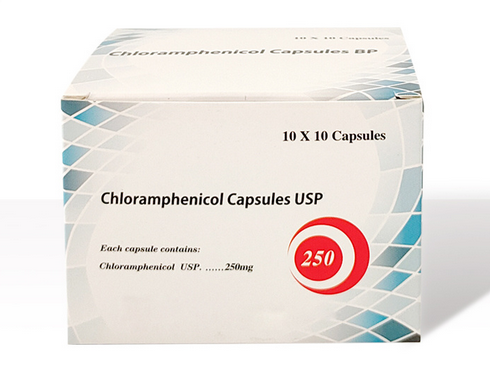
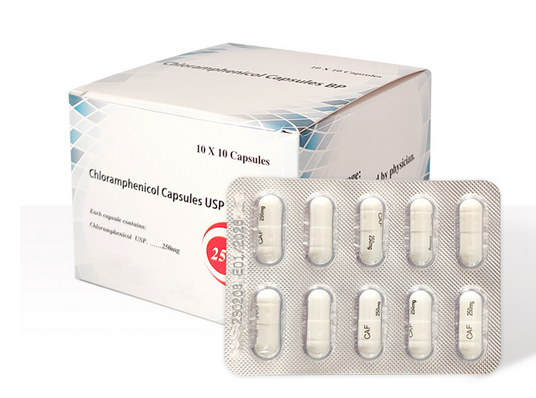
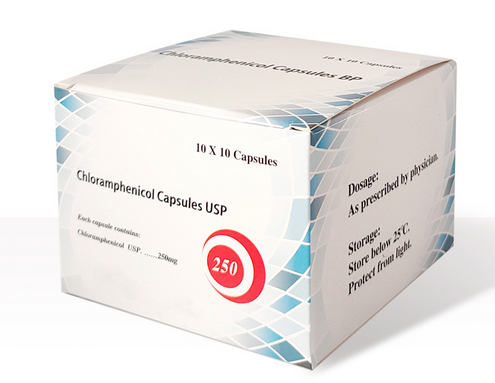
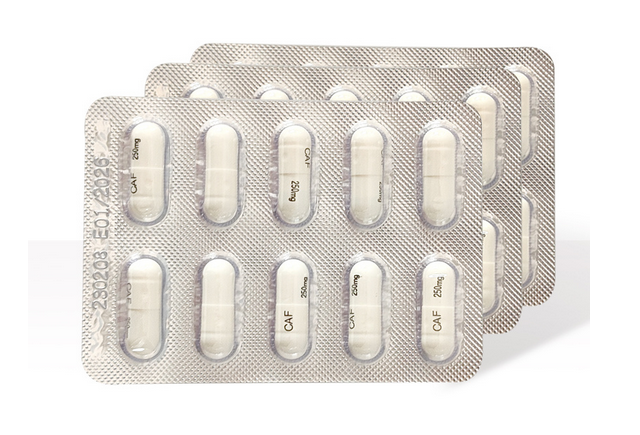
1.Mechanism of action:
Binds to the 50S subunit of bacterial ribosomes, inhibits bacterial protein synthesis and peptide chain elongation to exert a broad-spectrum bacteriostatic effect, with bactericidal effect on sensitive bacteria at high concentration. It is highly sensitive to most Gram-positive bacteria, Gram-negative bacteria, anaerobic bacteria, rickettsia, chlamydia and mycoplasma; strong antibacterial activity against Salmonella typhi, Shigella and Haemophilus influenzae, cross-resistance is rare.
2.Indications:
Severe infections caused by sensitive pathogens when other antibiotics are ineffective, including typhoid fever, paratyphoid fever, bacillary dysentery, meningitis, respiratory tract infection, urinary tract infection, abdominal infection and septicemia; also used for eye, ear, nose and throat infection and skin soft tissue infection, alternative drug for patients with severe infection and antibiotic allergy.
3.Usage and dosage:
Oral administration, swallow with warm water, take with or without food. Adult: 0.25g~0.5g once, 3~4 times a day, the maximum daily dose shall not exceed 2g, the course of treatment is 7~14 days. Pediatric: 25~50mg per kg body weight per day, divided into 3~4 times for administration; neonates and premature infants use the lowest effective dose to avoid gray baby syndrome, strictly follow the doctor's advice.
4.Contraindications:
Contraindicated in patients allergic to this product, amphenicol antibiotics and any excipients of the preparation; contraindicated in neonates and premature infants (except for life-threatening infections under strict medical supervision); contraindicated in patients with a history of bone marrow suppression and aplastic anemia.
5.Cautious population:
Use with extreme caution in patients with hepatic and renal insufficiency (reduce dosage and monitor blood routine and liver and kidney function); use with caution in pregnant and lactating women (the drug can pass through placenta and breast milk, may cause adverse reactions to fetus and infant); elderly patients with reduced bone marrow hematopoietic function use with caution and reduce dosage properly; children use the lowest effective dose for short-term treatment only; patients with glucose-6-phosphate dehydrogenase deficiency use with caution to avoid hemolysis.
6.Adverse reactions:
Hematological system toxicity is the most serious adverse reaction: reversible bone marrow suppression (leukopenia, thrombocytopenia, anemia) is common, which can recover after drug withdrawal; irreversible aplastic anemia (rare but fatal) may occur in long-term or large-dose use. Common gastrointestinal discomfort such as nausea, vomiting, abdominal pain, diarrhea, loss of appetite and oral mucositis; occasional dizziness, headache, fatigue, rash and pruritus; rare optic neuritis, peripheral neuritis, elevated transaminase and gray baby syndrome (in neonates with overdose).
7.Notes:
This product is a restricted antibiotic, use it only when other antibiotics are ineffective for severe infection, avoid abuse; regular monitoring of blood routine during medication, stop the drug immediately if abnormal blood cells appear; long-term medication should monitor liver and kidney function and nerve function; complete the full course of treatment to avoid bacterial drug resistance; avoid combined use with other bone marrow suppressive drugs to reduce the risk of hematological toxicity.
Welcome to submit any questions and suggestions. We will reply to you as soon as possible. Thank you for your support and help.