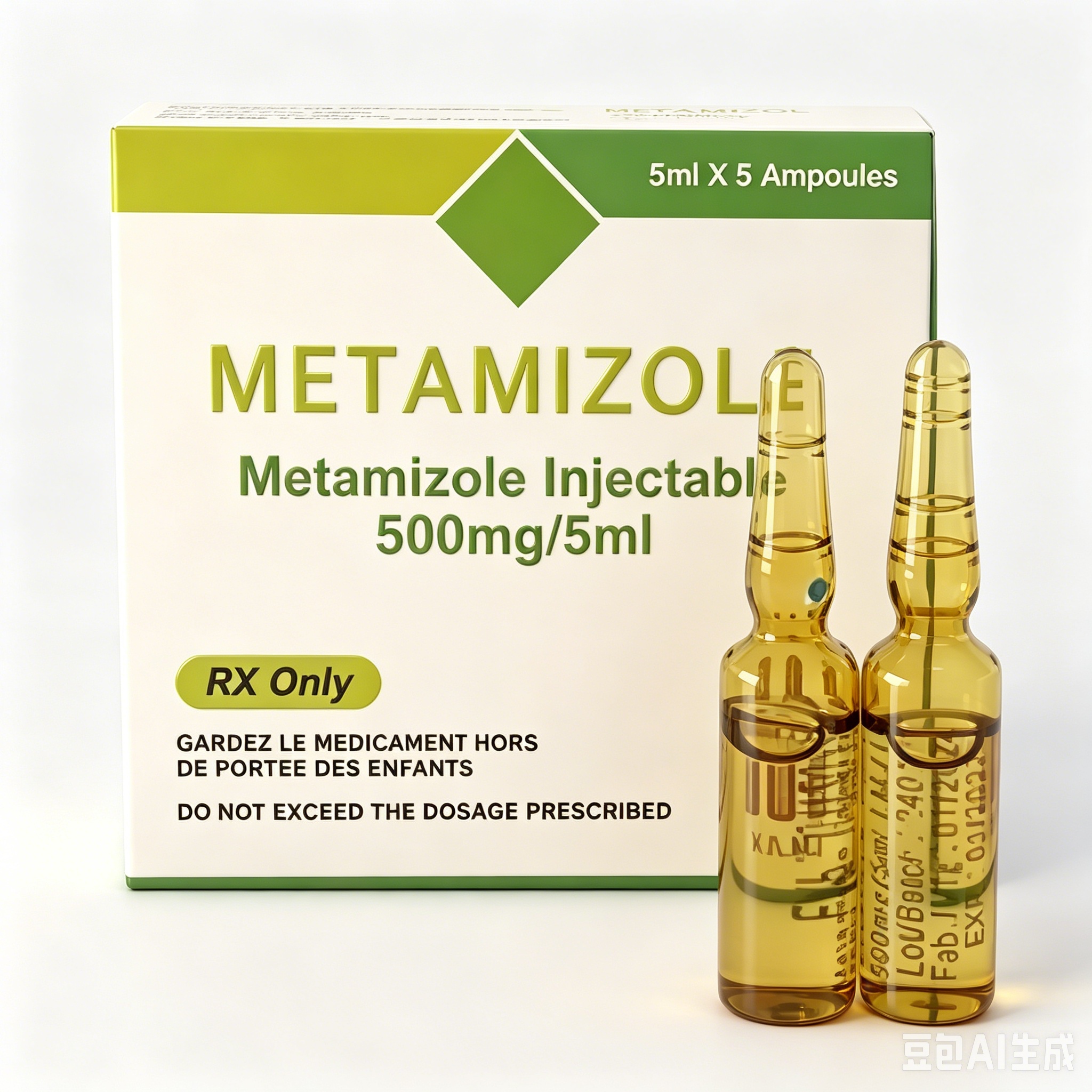
Ciprofloxacin Infusion
Pharmacological category: Quinolone antibiotics, broad-spectrum bactericidal drug
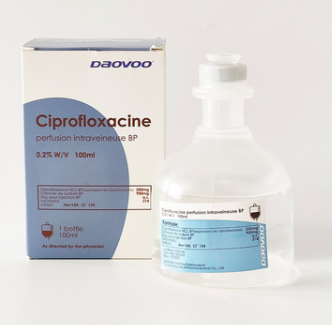
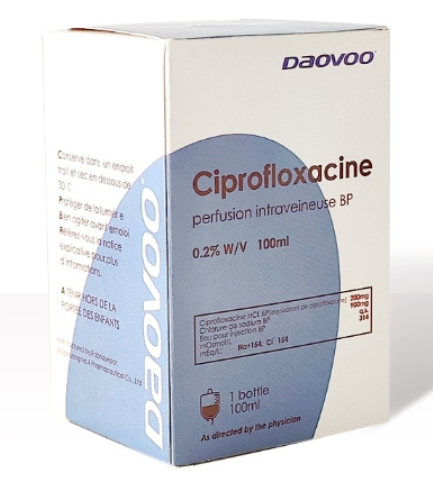
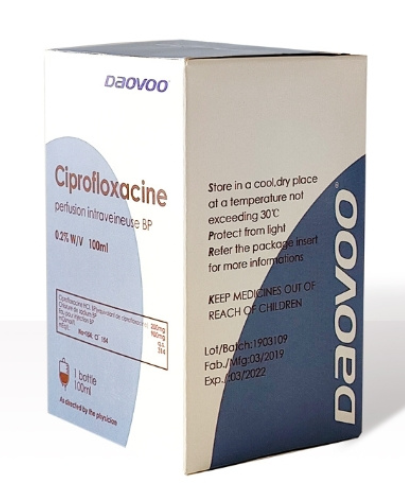
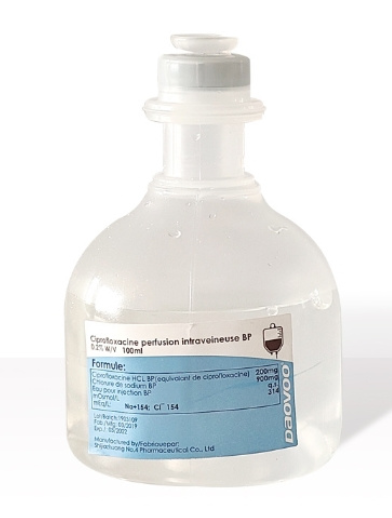
1.Mechanism of action:
Inhibits bacterial DNA gyrase and topoisomerase Ⅳ, blocks bacterial DNA replication and transcription process, exerts potent broad-spectrum bactericidal effect. It is highly sensitive to most Gram-negative bacteria, including Escherichia coli, Pseudomonas aeruginosa, Salmonella, Shigella; also has antibacterial activity against partial Gram-positive bacteria, with strong bactericidal effect and no cross-resistance with other antibiotics.
2.Indications:
Used for moderate to severe infections caused by sensitive pathogens, including respiratory tract infection, urinary tract infection, biliary tract infection, abdominal infection, pelvic infection, skin and soft tissue infection, sepsis, osteomyelitis, infectious diarrhea; also indicated for typhoid fever, paratyphoid fever and gonococcal infection.
3.Usage and dosage:
Intravenous infusion only, do not inject intravenously rapidly or intramuscularly. Adult: 0.2g once, 2 times a day, intravenous drip for more than 30 minutes each time; increase to 0.4g once, 2 times a day for severe infection, the course of treatment is 7-14 days. Dosage adjustment is required for patients with renal insufficiency, reduce the dose appropriately. Pediatric: Prohibited for children under 18 years old (may damage cartilage development).
4.Contraindications:
Contraindicated in patients allergic to this product, quinolone antibiotics and any excipients of the preparation; contraindicated in pregnant and lactating women; contraindicated in adolescents and children under 18 years old (cartilage growth inhibition risk).
5.Cautious population:
Use with caution in patients with severe hepatic and renal insufficiency; use with caution in patients with central nervous system diseases such as epilepsy, cerebral arteriosclerosis and increased intracranial pressure; use with caution in patients with tendon diseases, a history of tendon rupture and arthritis; elderly patients use with caution and reduce the dose properly; patients with glucose-6-phosphate dehydrogenase (G6PD) deficiency use with caution to avoid hemolytic anemia; patients with bradycardia and QT interval prolongation use with caution.
6.Adverse reactions:
Common nausea, vomiting, abdominal pain, diarrhea, anorexia and other mild gastrointestinal discomfort; dizziness, headache, insomnia, irritability and other central nervous system symptoms; occasional skin rash, pruritus, photosensitivity reaction and joint pain; rare tendonitis, tendon rupture, peripheral neuritis, elevated liver enzymes, renal function damage and blood routine abnormality; a small number of patients have mild QT interval prolongation, excessive dosage may cause convulsion and confusion.
Welcome to submit any questions and suggestions. We will reply to you as soon as possible. Thank you for your support and help.