L-Carnitine Injection
Pharmacological category: Nutritional supplement, Fat metabolism regulator
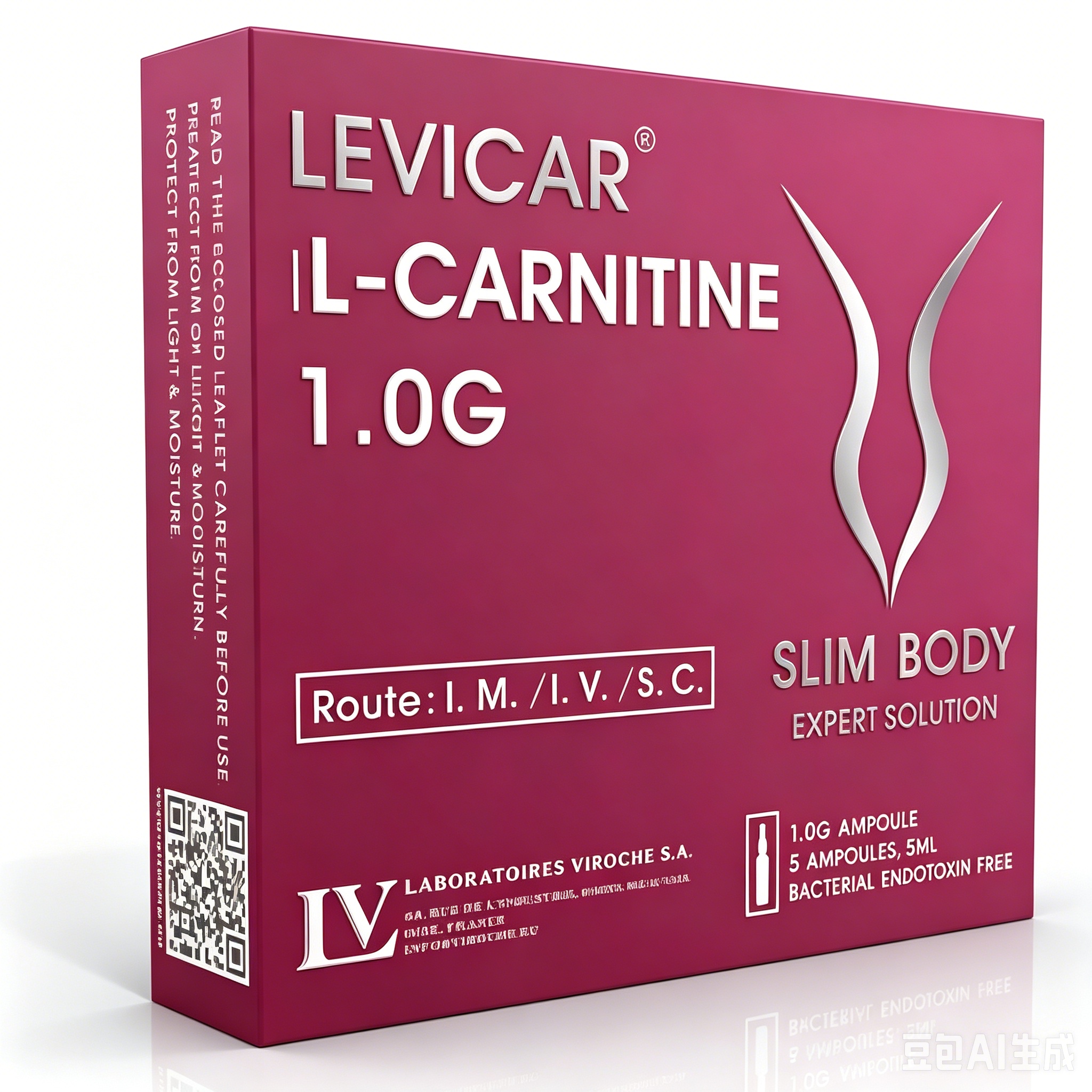
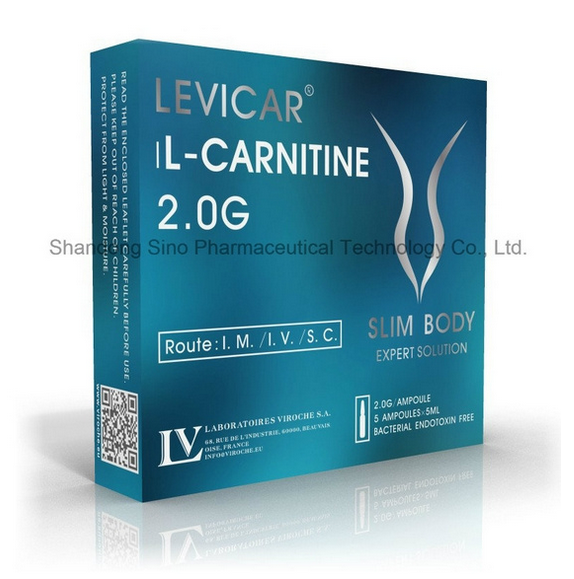
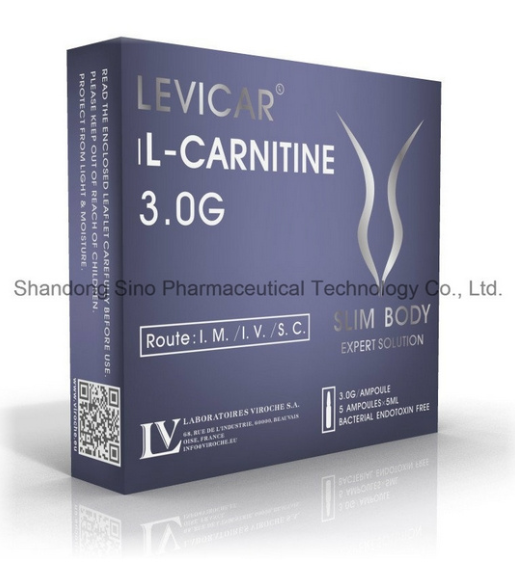
1.Mechanism of action:
L-Carnitine is an essential substance for human fat metabolism, which transports long-chain fatty acids into mitochondrial matrix for β-oxidation and energy production, promotes fat decomposition and utilization, reduces fat accumulation in tissues and cells. It also improves mitochondrial energy metabolism, enhances myocardial and skeletal muscle contractility, relieves fatigue, and corrects metabolic disorders caused by L-carnitine deficiency, with high biocompatibility and no obvious toxic side effects.
2.Indications:
Treatment of primary and secondary L-carnitine deficiency caused by chronic renal failure, hemodialysis, diabetes and malnutrition; adjuvant therapy for heart failure, myocardial infarction, cardiomyopathy and myocardial ischemia to improve cardiac energy metabolism; relief of fatigue, muscle weakness and exercise intolerance caused by fat metabolism disorder; nutritional support for severe infection, postoperative malnutrition, severe liver disease and tumor patients; adjuvant treatment for male infertility with abnormal sperm motility related to carnitine deficiency.
3.Usage and dosage:
Intravenous injection / slow intravenous drip (diluted with normal saline or glucose injection). Adult: 1g~2g (5ml~10ml) once a time, 1~2 times a day; severe deficiency: 4g (20ml) once a day, intravenous drip. Pediatric: 50mg~100mg per kg body weight per day, divided into 1~2 doses; adjust dosage according to age, weight and clinical symptoms under medical guidance. The course of treatment is 14~28 days, and can be extended appropriately for long-term nutritional support.
4.Contraindications:
Contraindicated in patients allergic to L-Carnitine, this product and any excipients of the preparation.
5.Cautious population:
Use with caution in patients with severe hepatic/renal insufficiency (monitor liver/kidney function regularly, adjust dosage appropriately); use with caution in patients with epilepsy history (may induce seizures in individual cases); pregnant and lactating women can use it safely in standard dosage (supplement nutritional needs without adverse effects on fetus and infant); elderly patients with reduced metabolic capacity take low dose and slow infusion; infants and children use strictly according to body weight to avoid overdose; avoid combined use with anticoagulants to prevent bleeding risk increase.
6.Adverse reactions:
High safety, mild and rare adverse reactions, good tolerance. Common reactions: Mild nausea, vomiting, diarrhea, abdominal distension and other gastrointestinal discomfort, which relieve spontaneously after drug withdrawal or slow infusion; occasional mild dizziness, headache, fatigue and flushing. Rare reactions: Skin rash, pruritus and other allergic reactions are occasional, severe anaphylactic shock is extremely rare; transient elevation of transaminase and creatine kinase in individual patients; hypotension and arrhythmia caused by rapid intravenous injection, relieved by slowing infusion speed. No obvious toxic and side effects with conventional dosage for clinical use.
7.Notes:
Strictly slow intravenous injection/drip to prevent adverse reactions such as hypotension and arrhythmia; do not mix with alkaline drugs in the same infusion bottle to avoid drug precipitation and inactivation; the injection solution is colorless clear liquid, forbidden to use if turbid, discolored or precipitated; long-term medication should regularly monitor liver function, renal function and blood lipid levels; stop medication immediately and give symptomatic treatment if allergic symptoms, severe gastrointestinal discomfort or arrhythmia occur; store in a cool and dark place, avoid light and high temperature, seal for preservation; validity period: 24 months.
Welcome to submit any questions and suggestions. We will reply to you as soon as possible. Thank you for your support and help.