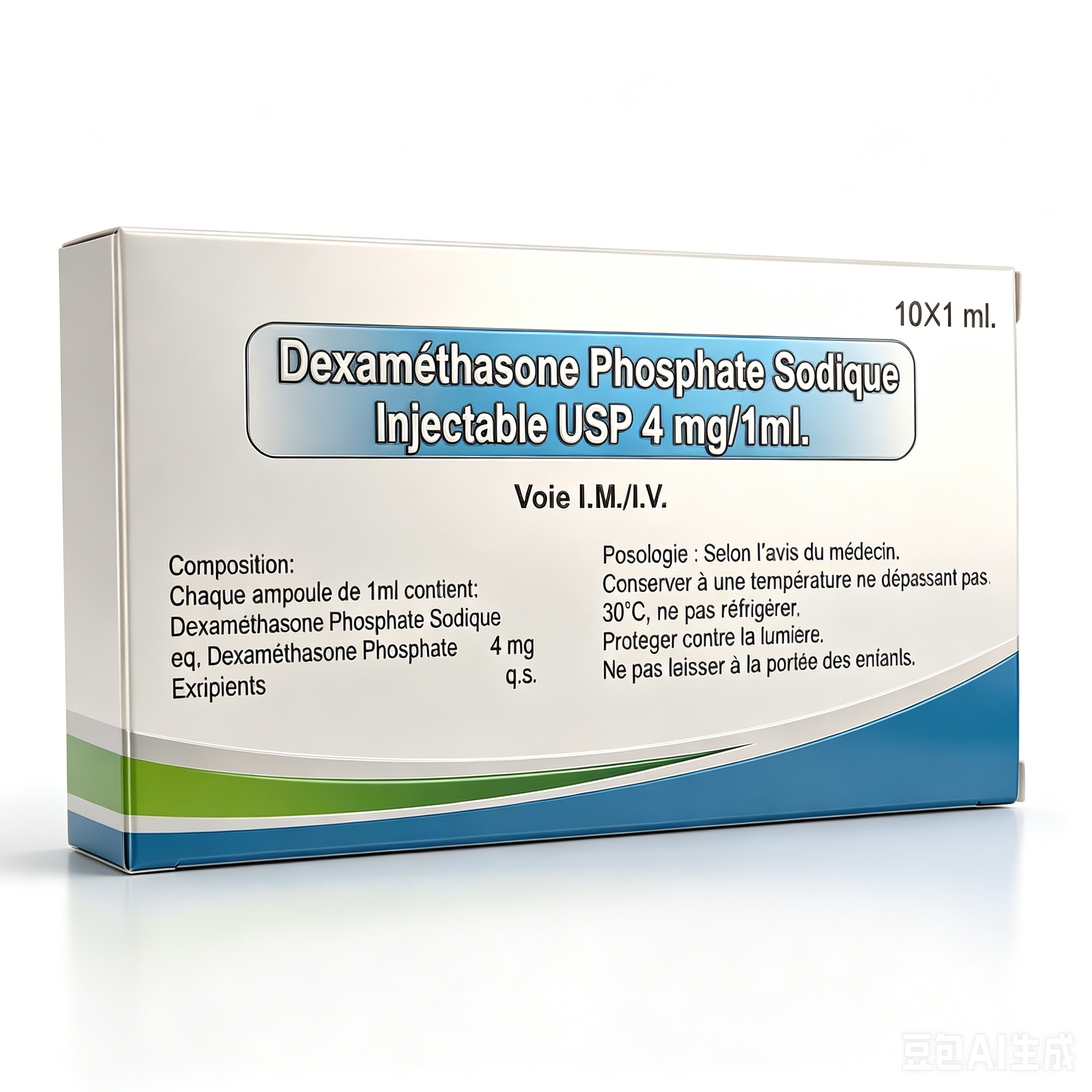
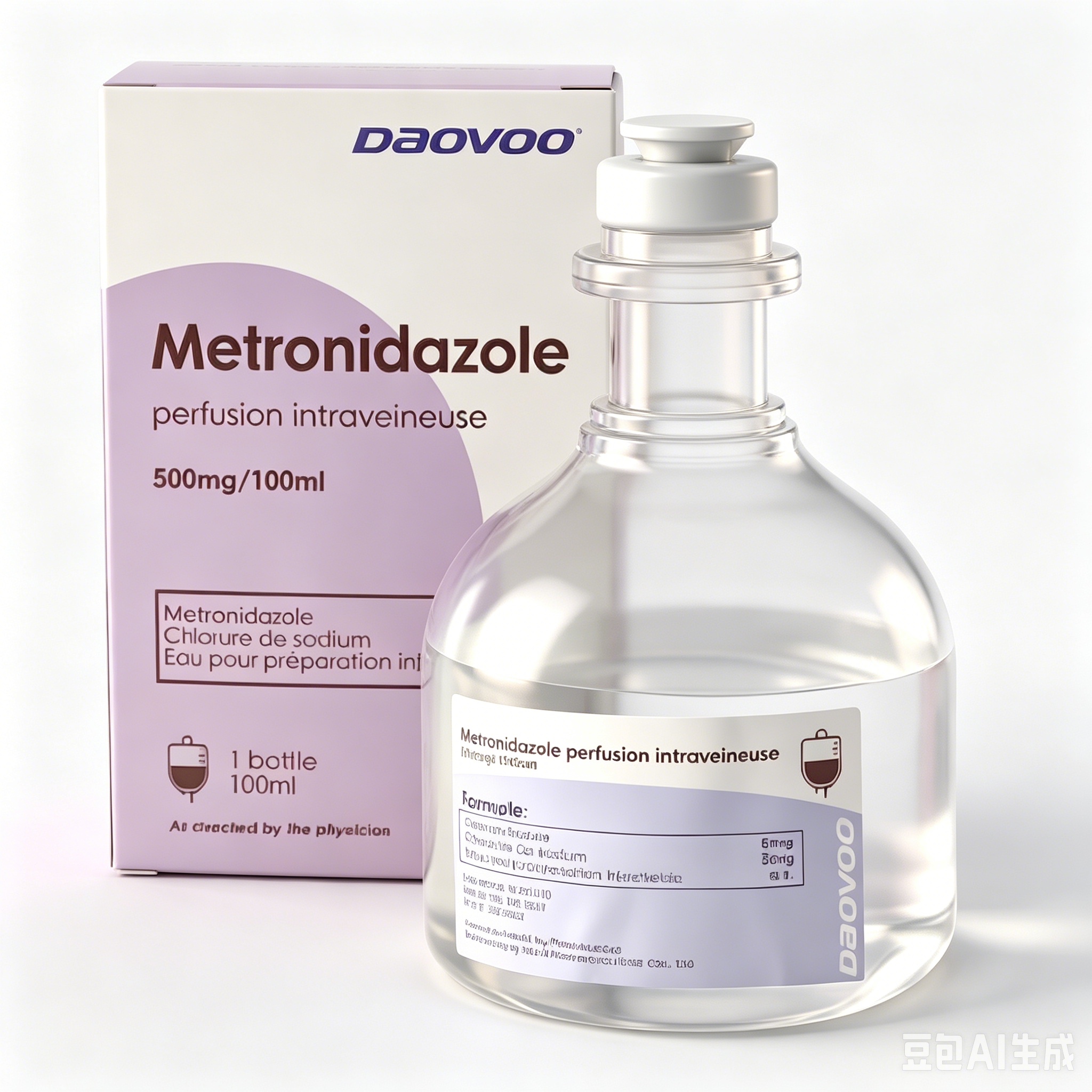
Metoclopramide Injection(5mg/10mg)
Pharmacological category: Prokinetic drug, antiemetic drug






1.Mechanism of action:
Blocks dopamine D2 receptors in the chemoreceptor trigger zone and gastrointestinal tract, promotes gastrointestinal peristalsis, accelerates gastric emptying and intestinal transit, inhibits the vomiting center to exert a strong antiemetic effect, also has a weak cholinergic effect, rapid onset after intramuscular injection (15 minutes), intravenous injection takes effect in 3-5 minutes, the duration of action is 1-2 hours.
2.Indications:
Used for nausea, vomiting, regurgitation and bloating caused by gastrointestinal motility disorders; antiemesis for nausea and vomiting induced by chemotherapy, radiotherapy, surgery, trauma and drugs; biliary tract disease and pancreatitis with gastrointestinal symptoms; adjuvant treatment of gastroesophageal reflux disease.
3.Usage and dosage:
Intramuscular injection or intravenous injection. Adult: 10~20mg once, 1~3 times a day, the maximum daily dose shall not exceed 0.5mg/kg body weight. Pediatric: 0.1~0.2mg per kg body weight each time, intramuscular injection or intravenous injection, 1~3 times a day, strictly follow the doctor's advice for infants.
4.Contraindications:
Contraindicated in patients allergic to this product and metoclopramide preparations; contraindicated in patients with gastrointestinal bleeding, gastrointestinal perforation and mechanical intestinal obstruction; contraindicated in patients with pheochromocytoma, epilepsy and extrapyramidal diseases; contraindicated in patients with prolactin-secreting pituitary tumor.
5.Cautious population:
Use with caution in patients with hypertension, Parkinson's disease, hepatic and renal insufficiency; use with caution in patients with hypokalemia and hypomagnesemia; pregnant and lactating women use with caution (can pass through placenta and breast milk); elderly patients use with caution and reduce the dose properly to avoid extrapyramidal reactions; children under 2 years old use with caution, the risk of adverse reactions is higher.
6.Adverse reactions:
Common drowsiness, dizziness, fatigue, insomnia and other central nervous symptoms; gastrointestinal discomfort such as dry mouth, diarrhea, constipation and abdominal pain; extrapyramidal reactions such as acute dystonia, tardive dyskinesia, akathisia and parkinsonism (more common in children and young people); rare rash, pruritus, elevated prolactin levels, galactorrhea, gynecomastia and arrhythmia; excessive dosage may cause confusion, convulsion and coma.
7.Notes:
Do not drive or operate machinery after medication due to sedative effect; avoid combined use with anticholinergic drugs, which will antagonize the gastrointestinal motility effect; long-term use may cause extrapyramidal reactions, and the medication should be stopped immediately if symptoms occur; it is forbidden to use with dopamine agonists and opioids to avoid reducing efficacy; monitor the nervous system and gastrointestinal function during medication.
Welcome to submit any questions and suggestions. We will reply to you as soon as possible. Thank you for your support and help.