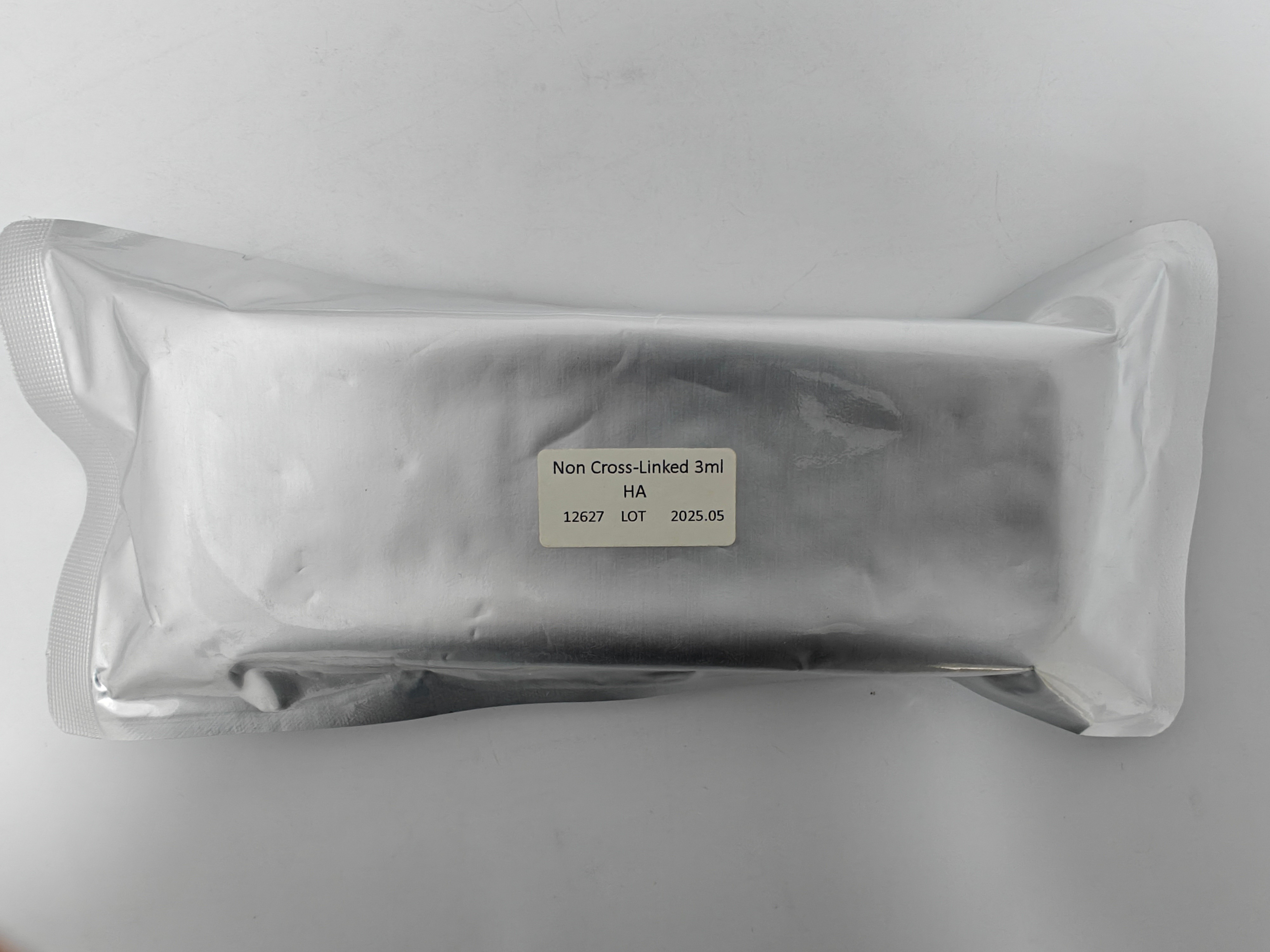
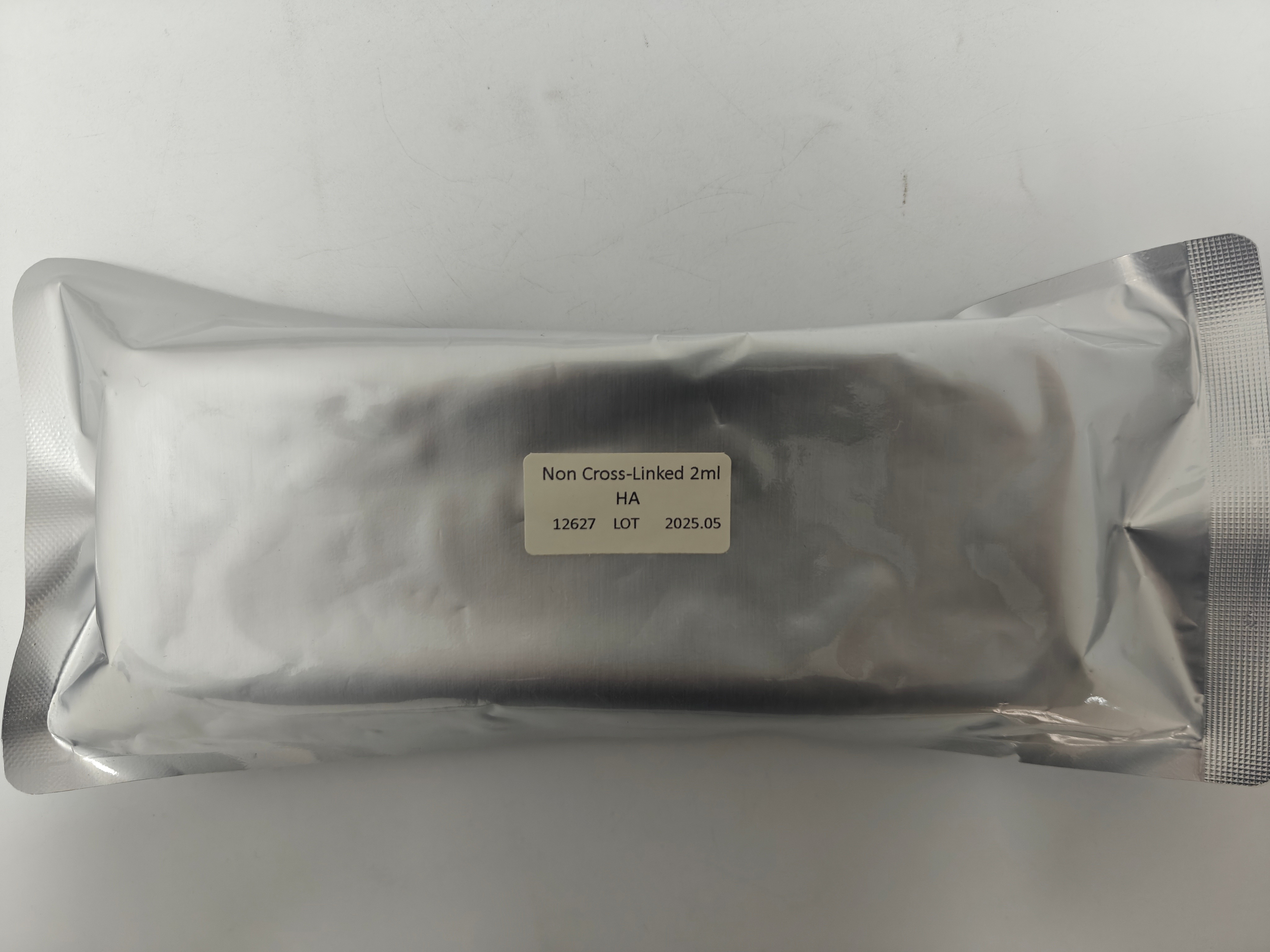
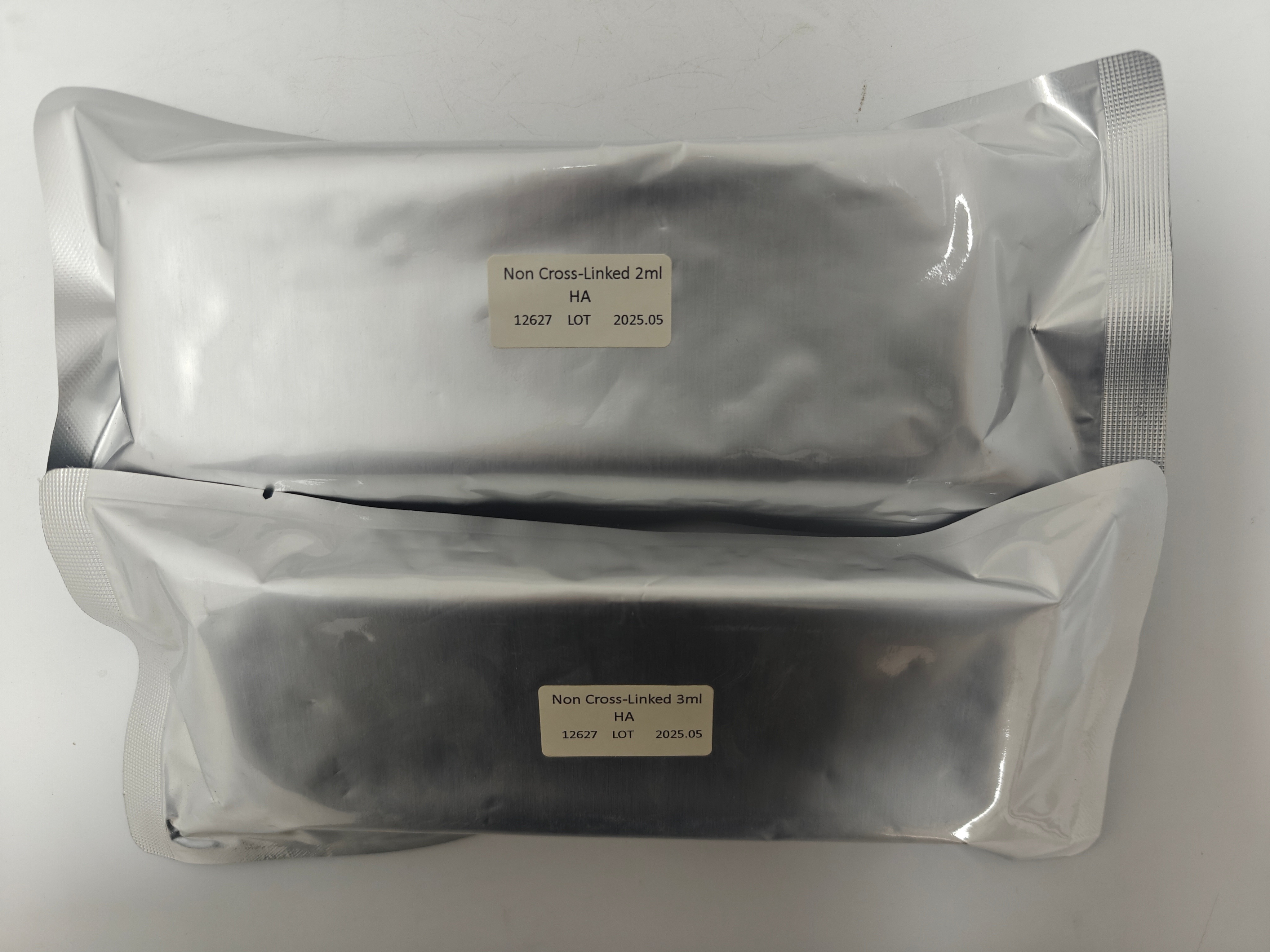
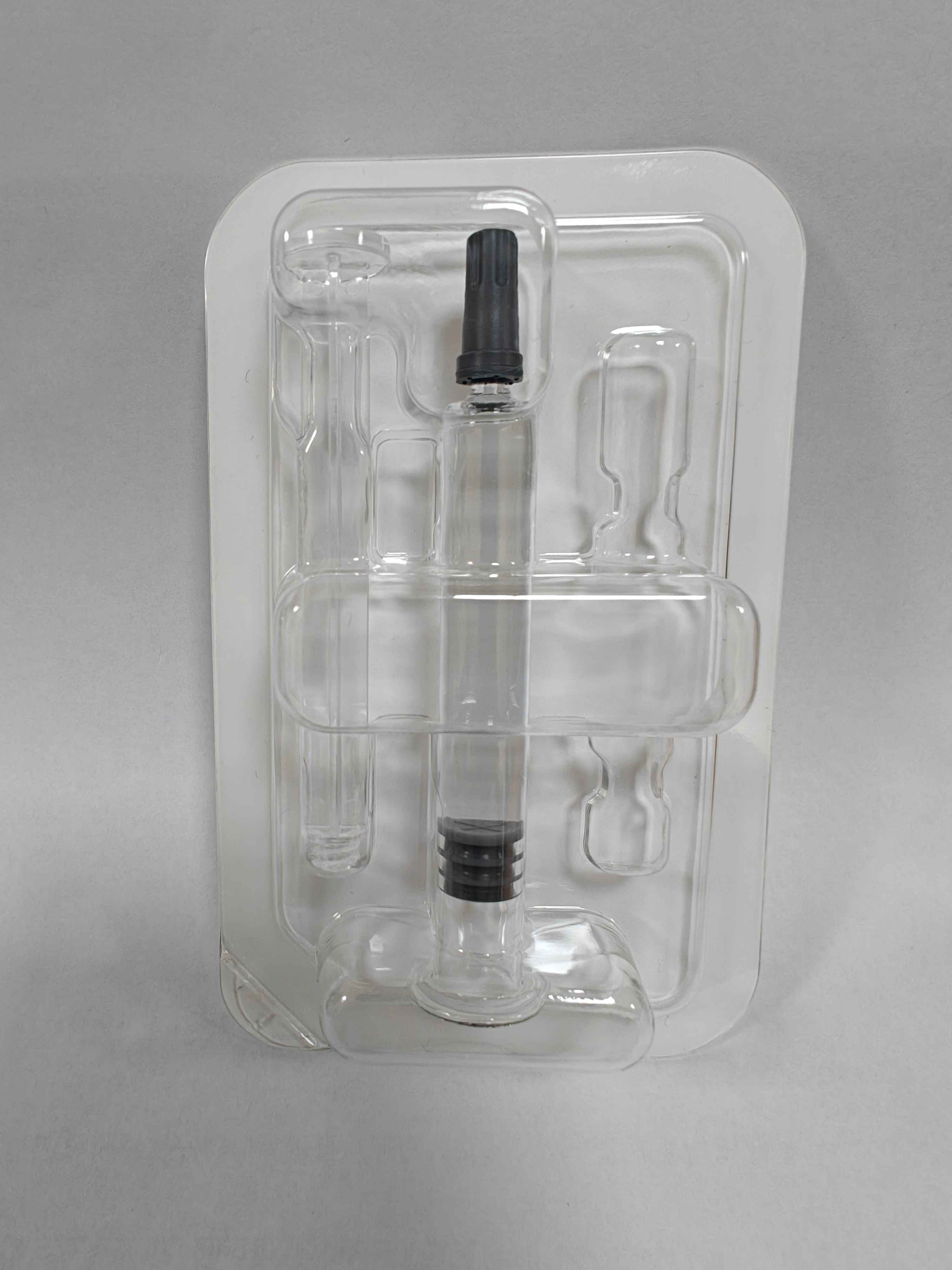
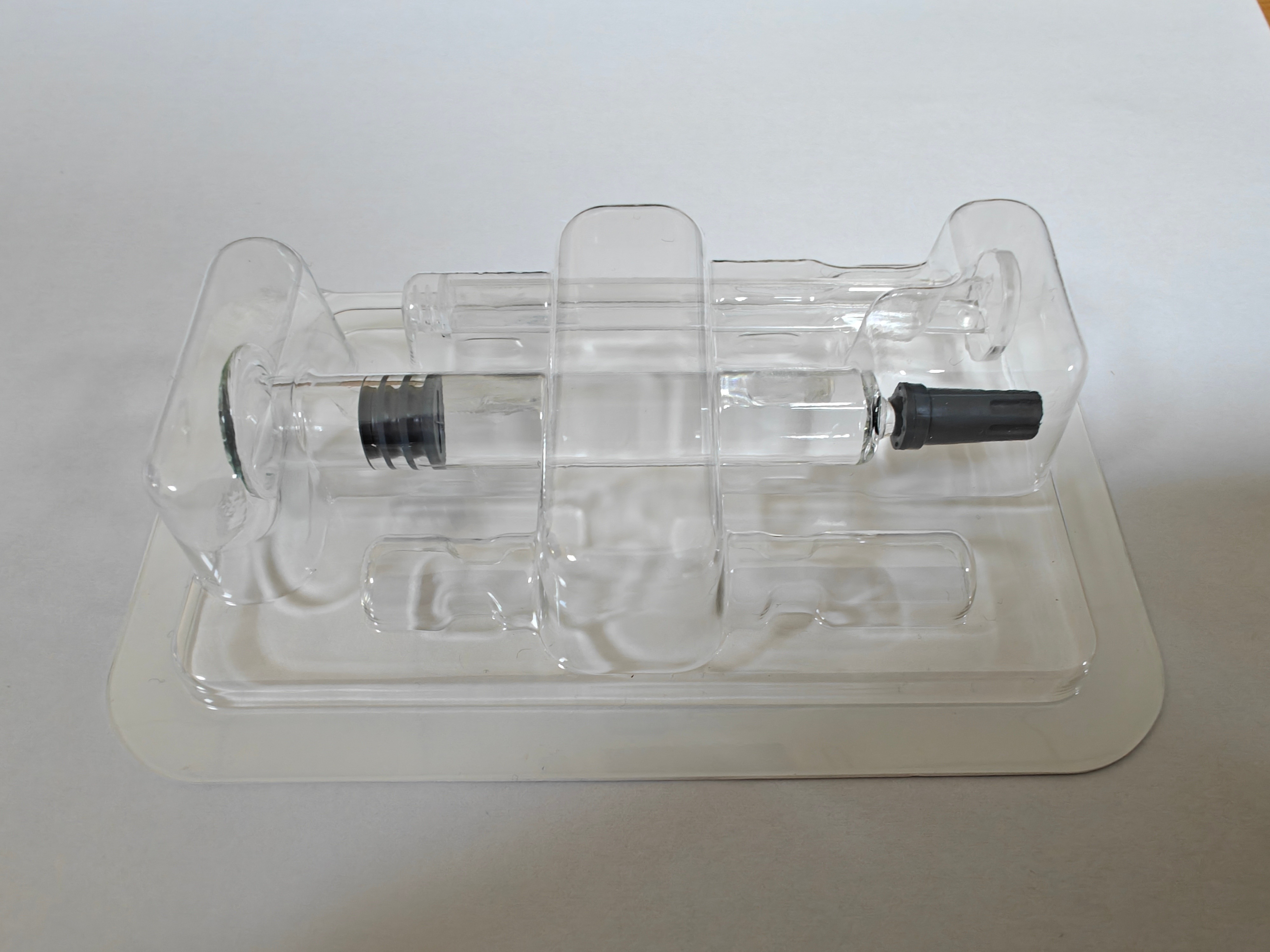
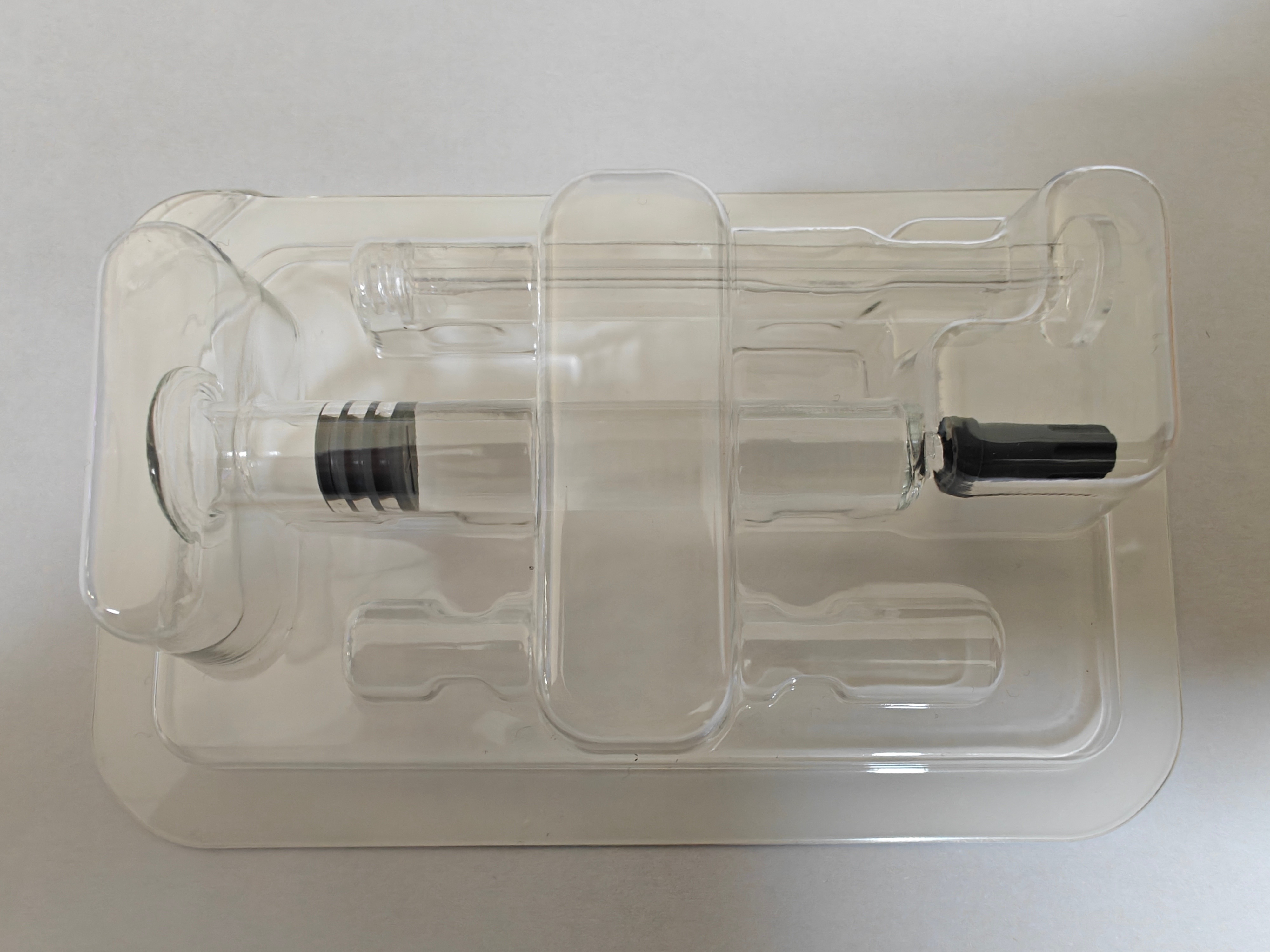
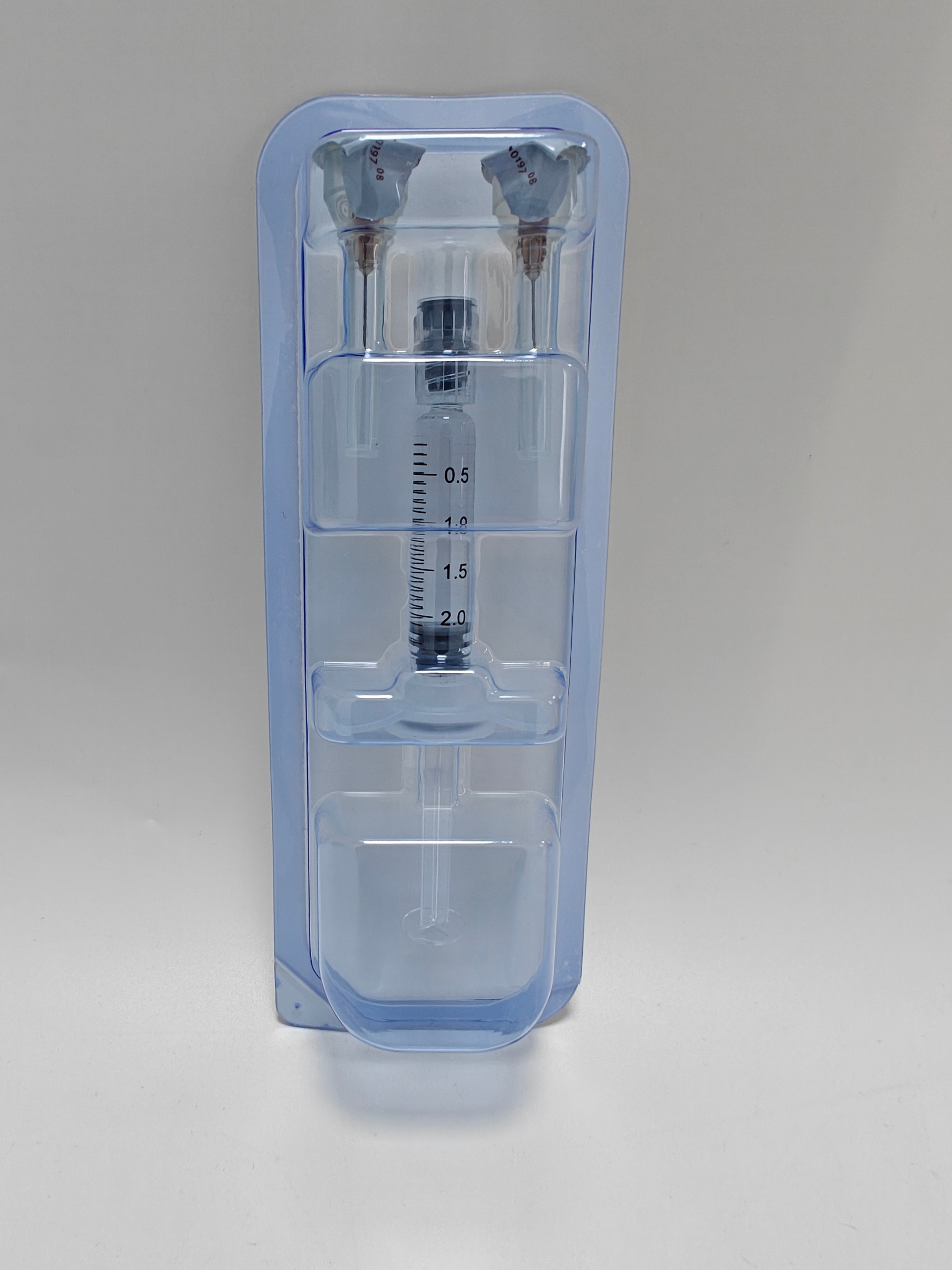
Non-cross-linked Hyaluronic Acid Dermal Moisturizing & Repairing Solution
Material Characteristics:linear water-soluble substance from non-animal microbial fermentation, with HA concentration 5–20mg/mL (injection) and variable molecular weights, featuring extreme biocompatibility and rapid metabolism in vivo. It has strong moisturizing capacity, penetrates easily to repair skin barrier, causes mild and transient postoperative reactions, and poses almost no allergenic risk.
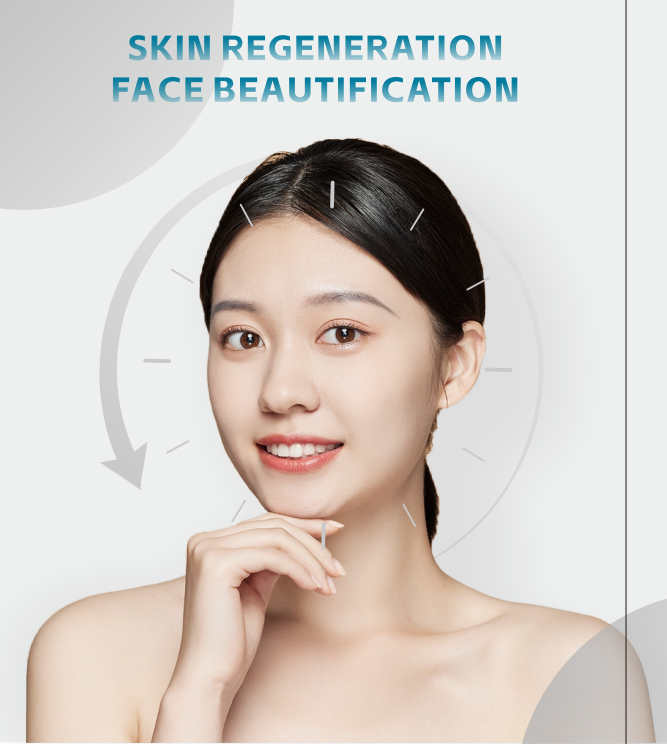
1. Core Definition & Product Positioning
Non-cross-linked Hyaluronic Acid refers to natural hyaluronic acid without chemical crosslinking modification, presenting a linear molecular structure with high water solubility and easy metabolism. It is mainly used for skin moisturizing, superficial repair and minimally invasive skin care, different from cross-linked hyaluronic acid which focuses on filling and shaping. It is compatible with human endogenous hyaluronic acid, with extremely high biocompatibility and safety.
2. Key Physicochemical Properties
This product has no crosslinking structure, presenting a liquid or semi-liquid state with strong water solubility. The molecular weight varies according to the application, including low molecular weight (<100kDa), medium molecular weight (100kDa-1000kDa) and high molecular weight (>1000kDa). The hyaluronic acid concentration ranges from 5 to 20 mg/mL for injection formulations, and 0.1 to 2 mg/mL for topical skin care products. The raw material is non-animal derived microbial fermentation hyaluronic acid, with low allergenicity. It has a short in vivo half-life of 1 to 4 weeks, and can be completely degraded into carbon dioxide and water by human hyaluronidase without residue.
3. Core Advantages
It has excellent moisturizing capacity-one molecule of hyaluronic acid can bind 500 to 1000 molecules of water, quickly improving skin water content and relieving dryness. The linear molecular structure enables easy absorption and penetration, which can stimulate the repair of the skin barrier, alleviating redness, itching and sensitivity of sensitive skin. It has extremely low side effect risk, with mild redness and swelling after injection that subside within 1 to 2 days. It can be used as a carrier for active ingredients (such as vitamins, peptides), enhancing the penetration and efficacy of nutrients. It is suitable for all skin types, especially dry and sensitive skin.
4. Typical Application Scenarios
For injection use, it is mainly applied in mesotherapy (water light injection), injected into the superficial dermis to improve skin dryness, dullness, fine lines and uneven texture, achieving hydrated and bright skin. It is also used for post-aesthetic procedure repair, such as relieving redness, burning and swelling after photorejuvenation, laser and microneedling, promoting wound healing and reducing hyperpigmentation risk. For topical use, it is added to serums, masks and lotions for daily moisturizing and skin barrier repair.
5. Indications & Contraindications
Indications
It is applicable to individuals with dry, dull skin, mild fine lines, sensitive skin in need of barrier repair, and those requiring post-aesthetic procedure repair. It is also suitable for people pursuing minimally invasive moisturizing care without filling and shaping needs.
Contraindications
It is contraindicated for individuals allergic to hyaluronic acid, patients with injection or application site infection, inflammation or ulceration. Patients with coagulation disorders should use injection formulations with caution.
6. Injection & Safety Tips
For injection use, the injection layer must be accurately delivered to the superficial dermis; avoid deep injection which may reduce moisturizing effect and cause edema. The injection technique adopts multi-point, small-dosage uniform injection to ensure full coverage of the target area. For post-injection care, avoid rubbing the injection site within 24 hours, keep the site clean, and avoid high-temperature environments and intense exercise for 3 days. For topical use, avoid applying on broken skin, and conduct a skin sensitivity test before first use for sensitive skin.
Welcome to submit any questions and suggestions. We will reply to you as soon as possible. Thank you for your support and help.