Paracetamol Infusion
Specification: 100ml:1g
Pharmacological category: Antipyretic & Analgesic, Non-steroidal antipyretic analgesic agent
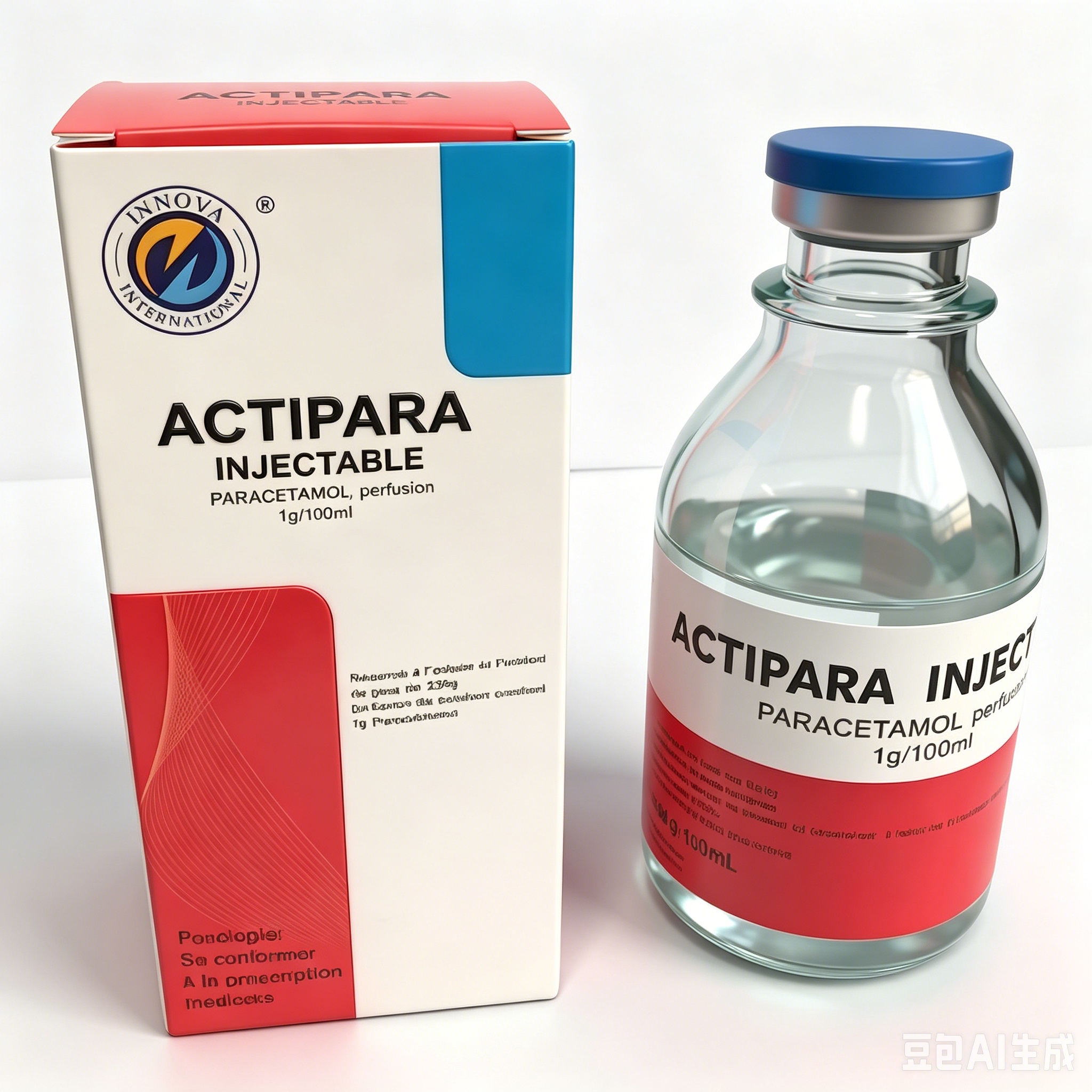
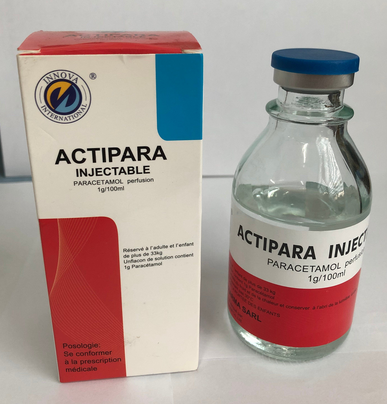
Mechanism of action: Exerts antipyretic effect by inhibiting prostaglandin synthesis in the hypothalamic thermoregulatory center, reducing the body's heat production and promoting heat dissipation to rapidly lower body temperature; relieves mild to moderate pain by blocking peripheral pain signal transmission, with no obvious anti-inflammatory effect. Intravenous infusion achieves rapid absorption, onset in 5-10 minutes, peak effect in 30 minutes, long duration of 4-6 hours, and mild irritation to gastrointestinal tract with high safety.
Indications: Emergency antipyretic for persistent high fever caused by severe infection, influenza, postoperative fever and malignant tumor; relief of moderate pain including postoperative pain, cancer pain, renal colic, biliary colic and severe dysmenorrhea; antipyretic and analgesic adjuvant treatment for patients with difficulty in oral administration (coma, dysphagia, severe vomiting); fever reduction for critically ill patients, infants, elderly and weak patients with poor tolerance to oral antipyretics.
Usage and dosage: Intravenous drip (slow infusion, not for bolus injection). Adult: 500mg~1g (50ml~100ml) once a time, 1~2 times a day; maximum daily dose ≤ 4g. Pediatric: 10~15mg per kg body weight per time, once every 6~8 hours; maximum daily dose ≤ 60mg/kg body weight. The course of treatment for fever is no more than 3 days, and for pain is no more than 5 days; adjust dosage according to age, weight and condition strictly.
Contraindications: Contraindicated in patients allergic to paracetamol, this product and any excipients of the preparation; contraindicated in patients with severe hepatic insufficiency, acute liver failure and severe renal insufficiency; contraindicated in neonates under 3 months old and patients with glucose-6-phosphate dehydrogenase (G6PD) deficiency.
Cautious population: Use with caution in patients with mild to moderate hepatic/renal insufficiency (monitor liver/kidney function regularly, reduce dosage appropriately); use with caution in pregnant and lactating women (safe in standard dosage, avoid long-term large-dose use); elderly patients with reduced metabolic capacity take low dose and slow infusion; infants and children use strictly according to body weight to avoid overdose; allergic constitution patients use under close observation; avoid combined use with other paracetamol-containing preparations, alcohol and hepatotoxic drugs to prevent acute liver injury.
Adverse reactions: High safety with mild and rare adverse reactions. Common reactions: occasional mild dizziness, headache, fatigue and nausea, which relieve spontaneously after drug withdrawal. Rare reactions: skin rash, pruritus and urticaria are occasional, severe anaphylactic shock is extremely rare; long-term large-dose use may cause mild elevation of transaminase, transient renal function damage and thrombocytopenia (reversible after drug withdrawal); no obvious gastrointestinal bleeding and cardiovascular adverse reactions, better tolerance than NSAIDs. No toxic side effects under conventional dosage for clinical use.
Notes: Strictly slow intravenous drip (infusion time ≥15 minutes), forbidden for rapid bolus injection to prevent hypotension, arrhythmia and adverse reactions; do not mix with alkaline drugs, other antibiotics and blood products in the same infusion bottle to avoid drug precipitation and inactivation; the infusion solution is colorless clear liquid, forbidden to use if turbid, discolored or precipitated; long-term medication should regularly monitor liver function, renal function and blood routine; stop medication immediately and give symptomatic treatment if allergic symptoms, jaundice, oliguria occur; store in a cool and dark place, avoid light and high temperature, seal for preservation
Welcome to submit any questions and suggestions. We will reply to you as soon as possible. Thank you for your support and help.