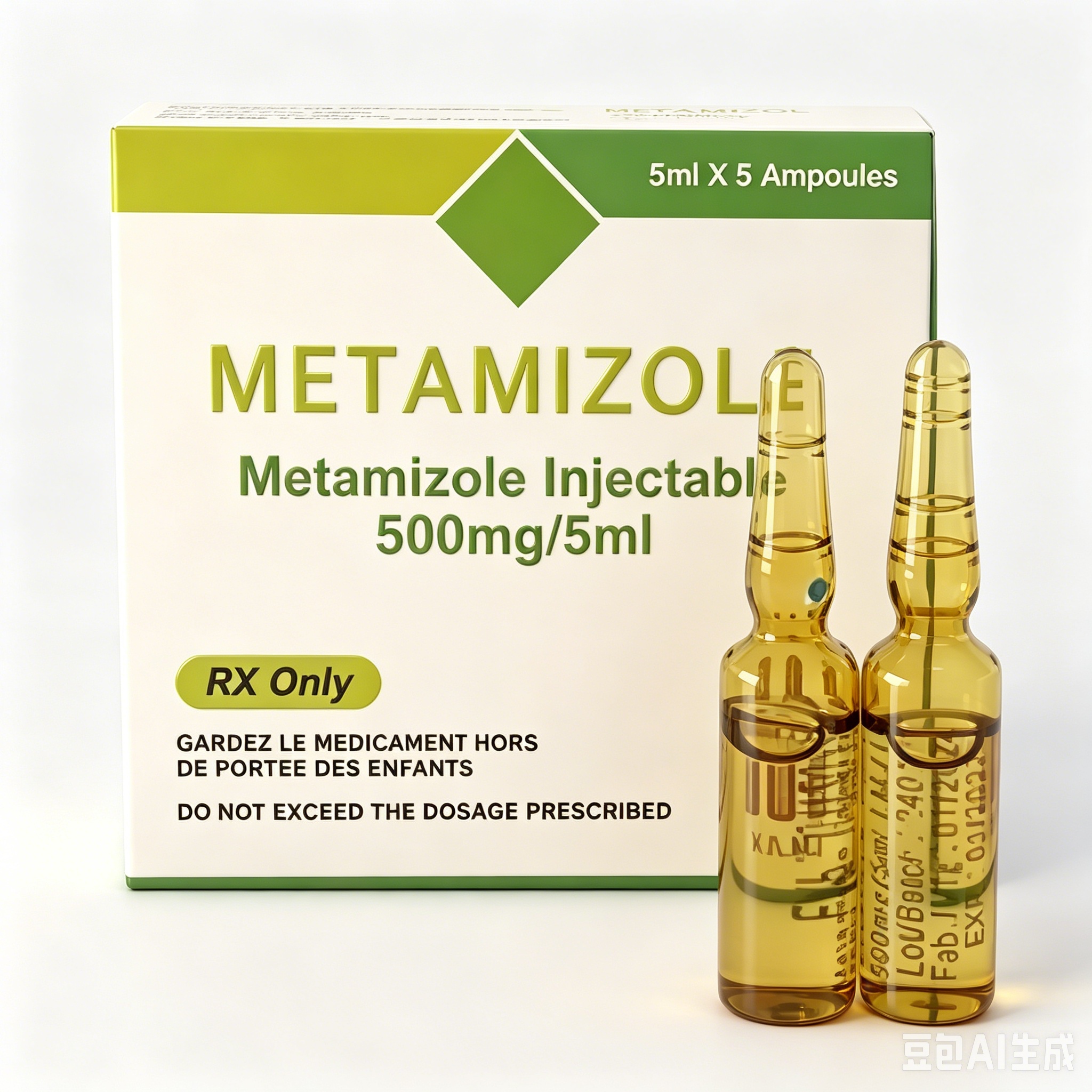
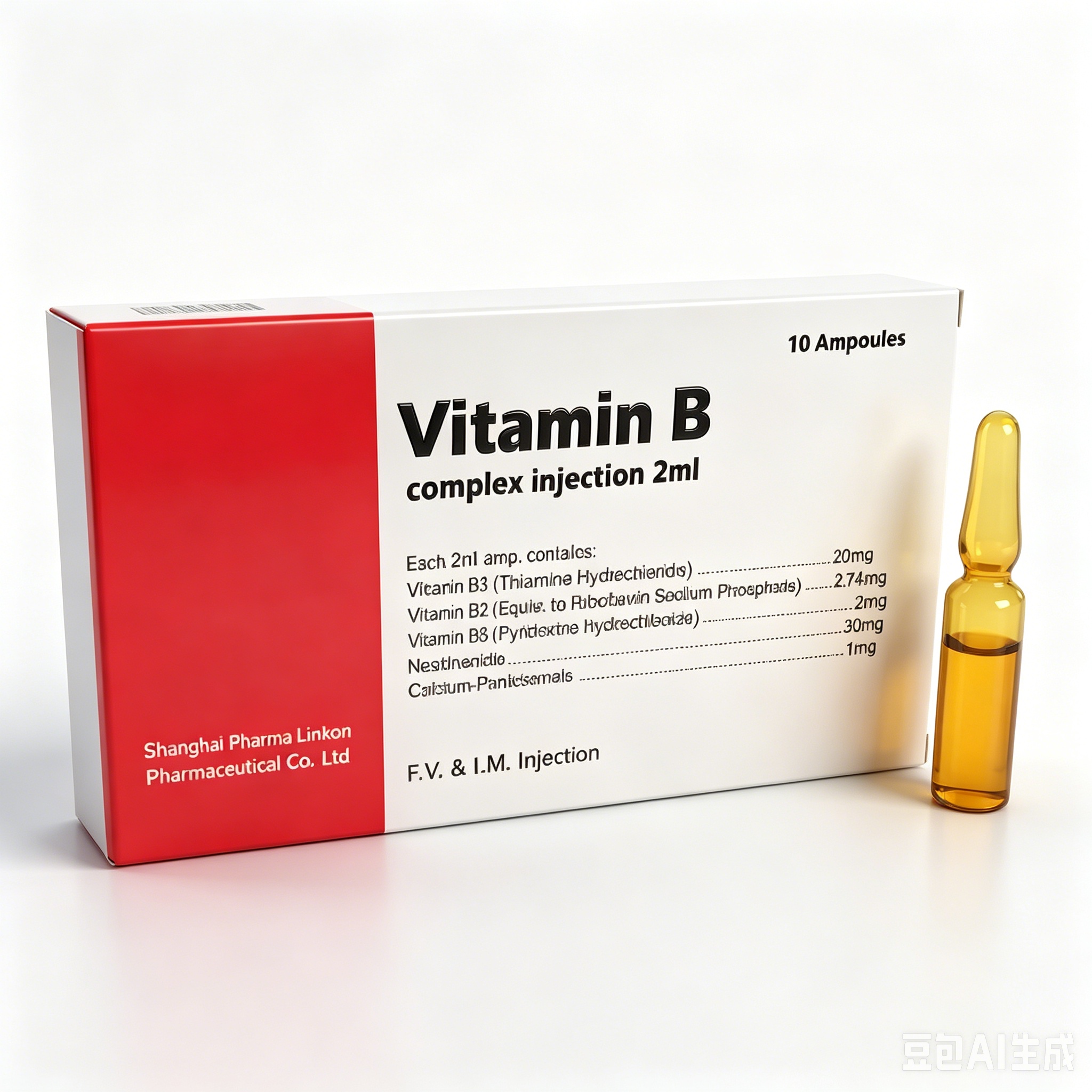
Vitamin B6 Injection
Pharmacological category: Water-soluble vitamin, nutritional supplement & metabolic regulator
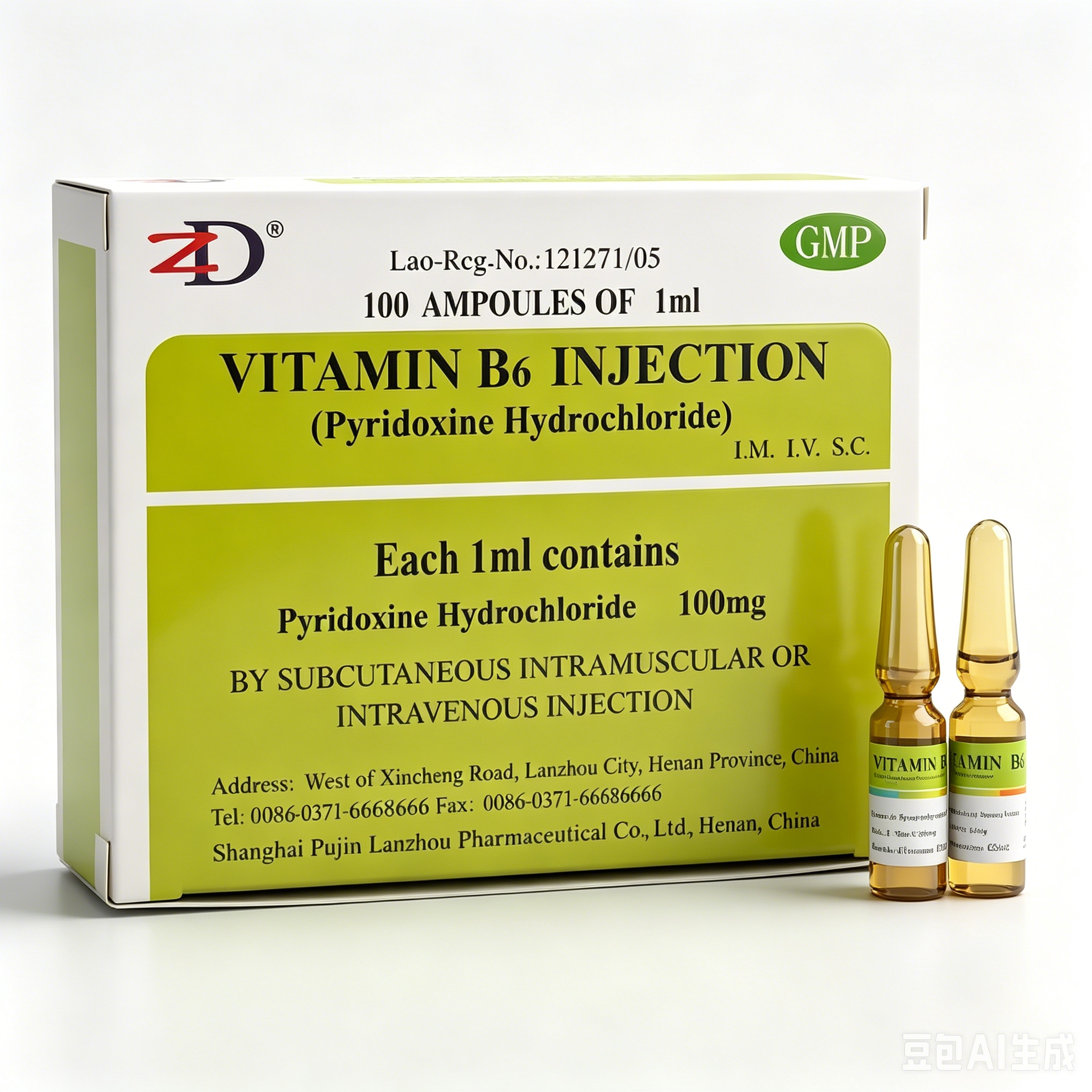
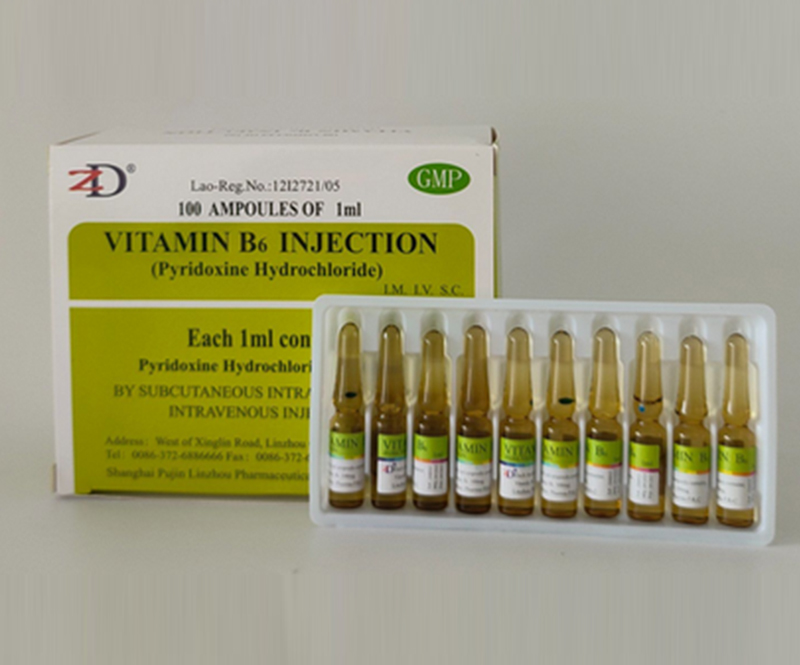
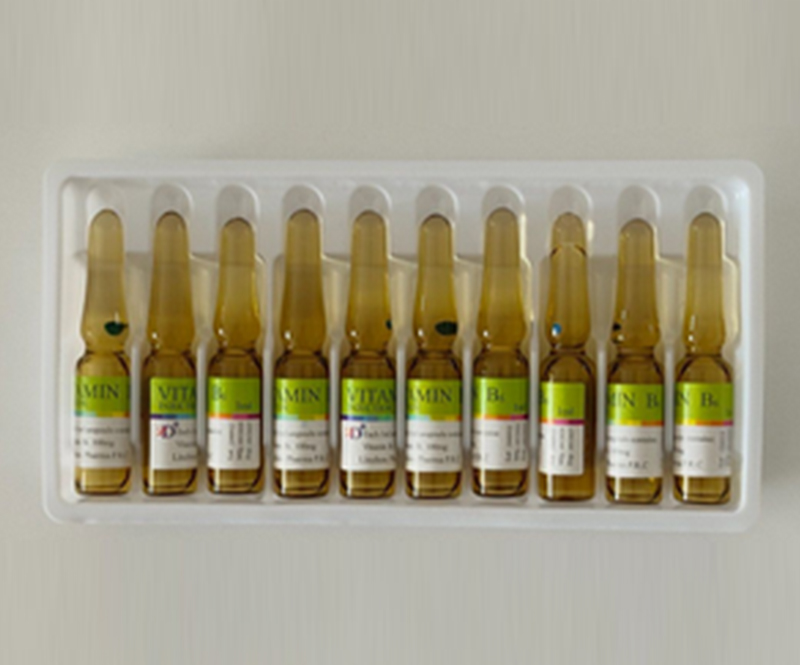
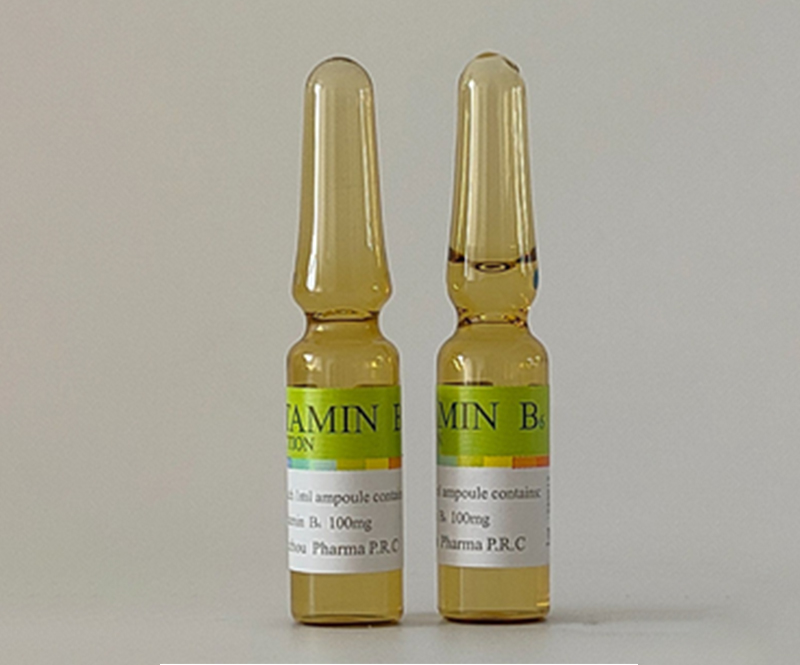
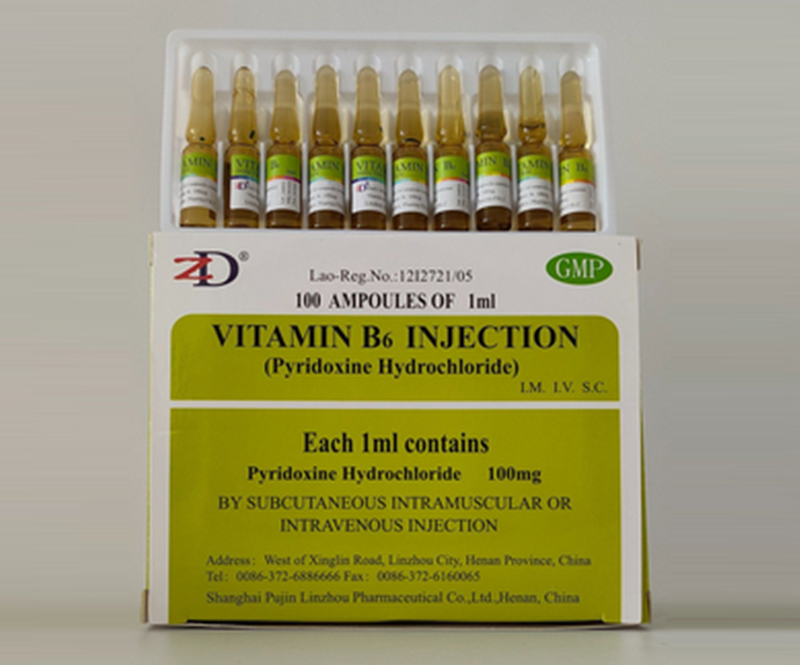
Mechanism of action: Vitamin B6 (Pyridoxine) is a coenzyme for multiple enzymes in the human body, participates in protein, carbohydrate and fat metabolism, amino acid synthesis and decomposition, hemoglobin synthesis and neurotransmitter metabolism. It promotes the absorption of iron and folic acid, improves hematopoiesis function; relieves nausea and vomiting by inhibiting the central chemoreceptor trigger zone; also regulates immune function and nerve cell activity, corrects vitamin B6 deficiency and its induced metabolic disorders.
Indications: Prevention and treatment of vitamin B6 deficiency (peripheral neuritis, dermatitis, angular cheilitis, glossitis); relief of nausea and vomiting induced by pregnancy, radiotherapy, chemotherapy and drug administration; adjuvant treatment of iron deficiency anemia, megaloblastic anemia and sideroblastic anemia (synergistic with iron and folic acid); treatment of seizures caused by isoniazid overdose; adjuvant therapy for neuritis, neuralgia, Parkinson's disease and mental disorders; nutritional support for severe malnutrition, burns and postoperative patients.
Usage and dosage: Intramuscular injection, intravenous injection or intravenous drip. Adult: 50mg ~ 100mg once, 1 ~ 2 times a day; for severe vomiting and isoniazid poisoning: 100mg ~ 500mg a time, intravenous drip. Pediatric: 5mg ~ 10mg per kg body weight per day, divided into 1 ~ 2 times, adjust dosage according to age and condition strictly. The course of treatment is 3 ~ 7 days for deficiency state, and symptomatic medication for vomiting/seizures.
Contraindications: Contraindicated in patients allergic to this product, pyridoxine hydrochloride and any excipients of the preparation.
Cautious population: Use with caution in patients with severe hepatic and renal insufficiency (monitor liver and kidney function); use with caution in pregnant and lactating women (proper dosage is safe, excessive intake may affect fetus/infant); elderly patients with metabolic dysfunction use with small dose; infants and neonates use strictly according to body weight to avoid overdose; patients receiving levodopa treatment use with caution (vitamin B6 antagonizes levodopa efficacy).
Adverse reactions: Mild and rare adverse reactions with conventional dosage, high safety. Common mild local pain at intramuscular injection site, transient redness and swelling; occasional dizziness, headache, fatigue, drowsiness and mild gastrointestinal discomfort (nausea, diarrhea); rare allergic reactions (skin rash, pruritus, urticaria), severe anaphylactic shock is extremely rare. Long-term large-dose (>200mg/d) use may cause peripheral neuritis (numbness of limbs, muscle weakness, sensory disturbance), which is reversible after drug withdrawal; overdose may cause nausea, abdominal distension and increased urinary excretion (water-soluble vitamin, excess is excreted in urine without accumulation toxicity).
Notes: Vitamin B6 is water-soluble and cannot be stored in the body for a long time, regular supplementation is needed for deficiency; do not mix with alkaline drugs in the same syringe/infusion bottle to prevent drug decomposition; avoid large-dose long-term use to prevent peripheral neuritis; it can be combined with iron, folic acid and vitamin C to improve anemia treatment effect; stop medication immediately if allergic reaction occurs and take symptomatic treatment; store in a cool and dark place, avoid light and high temperature, protect from oxidation failure.
Welcome to submit any questions and suggestions. We will reply to you as soon as possible. Thank you for your support and help.