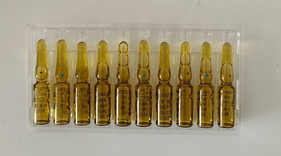
Vitamin K1 Injection
Pharmacological category: Vitamin preparation, Hemostatic drug
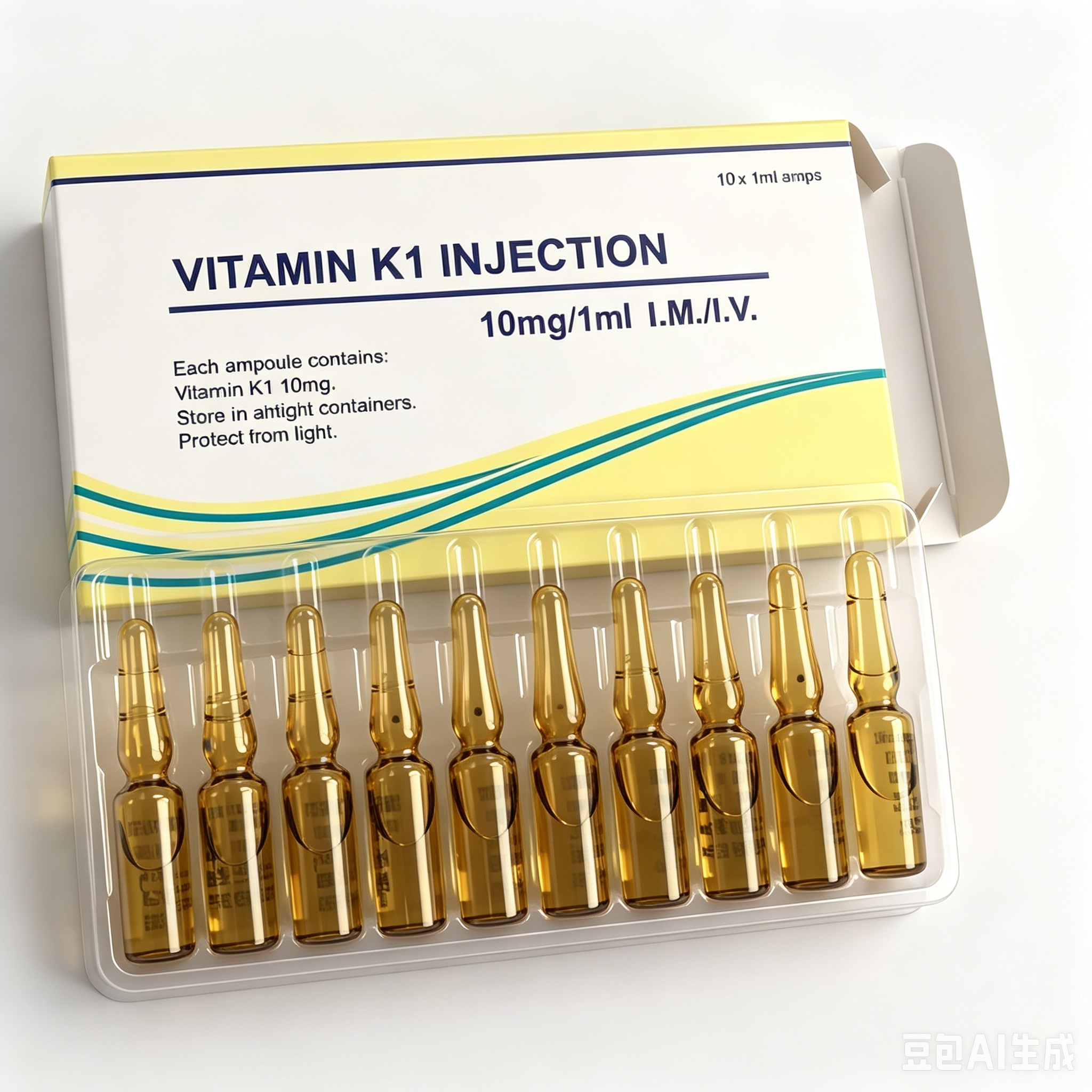
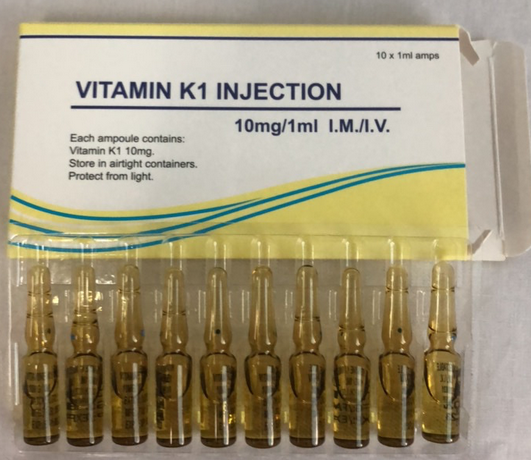
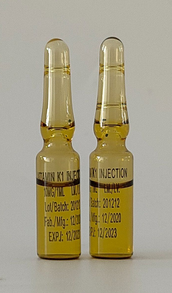
1.Mechanism of action:
Vitamin K1 is an essential fat-soluble vitamin for the human body, which is the coenzyme necessary for the synthesis of coagulation factors Ⅱ, Ⅶ, Ⅸ and Ⅹ in the liver. It promotes the synthesis of hepatic coagulation factors, corrects the coagulation dysfunction caused by vitamin K deficiency, accelerates blood coagulation and exerts a hemostatic effect. It also has a protective effect on liver cells and can relieve liver damage caused by drugs and toxins.
2.Indications:
Prevention and treatment of bleeding caused by vitamin K deficiency (hypoprothrombinemia, mucosal bleeding, skin ecchymosis, postoperative bleeding); emergency hemostasis for hemorrhagic diseases caused by obstructive jaundice, biliary fistula and malabsorption syndrome; adjuvant treatment of bleeding caused by long-term use of antibiotics and anticoagulants; treatment of neonatal hemorrhage and hemorrhagic disease of the newborn; adjuvant therapy for liver cirrhosis and chronic hepatitis with abnormal coagulation function.
3.Usage and dosage:
Intramuscular injection / slow intravenous injection. Adult: 10mg ~ 20mg once a time, 1 ~ 2 times a day; for severe bleeding: 20mg ~ 50mg a time, slow intravenous injection (inject no less than 3 minutes). Pediatric: Neonatal hemorrhage: 5mg ~ 10mg a time, intramuscular injection; infants and children: 5mg ~ 10mg once a day, adjust dosage according to age and condition.
4.Contraindications:
Contraindicated in patients allergic to this product, vitamin K1 and any excipients of the preparation.
5.Cautious population:
Use with caution in patients with severe hepatic insufficiency (the curative effect is poor, avoid large-dose use); use with caution in pregnant and lactating women (proper dosage is safe for fetus and infant); elderly patients with coagulation dysfunction use under medical guidance; infants and neonates use strictly according to dosage to avoid overdose; avoid combined use with anticoagulants to prevent mutual antagonism of efficacy.
6.Adverse reactions:
Common reactions: mild local pain, redness and swelling at intramuscular injection site; occasional dizziness, headache and mild gastrointestinal discomfort (nausea, diarrhea). Allergic reactions: skin rash, pruritus and urticaria are occasional, severe anaphylactic shock is rare (may occur rapidly during intravenous injection, need emergency rescue). Rare reactions: rapid intravenous injection may cause flushing, chest tightness, hypotension and arrhythmia, which can be relieved by slowing down the injection speed. The incidence of adverse reactions is low with conventional dosage, high safety for clinical use.
7.Notes:
Slow intravenous injection is strictly required (no less than 3 minutes) to prevent adverse reactions such as hypotension and arrhythmia; do not mix with other drugs in the same syringe/infusion bottle to avoid drug interaction; stop medication immediately if allergic symptoms occur and give symptomatic treatment; store in a cool and dark place, avoid light strictly (easy to decompose and fail when exposed to light), seal for preservation.
Welcome to submit any questions and suggestions. We will reply to you as soon as possible. Thank you for your support and help.