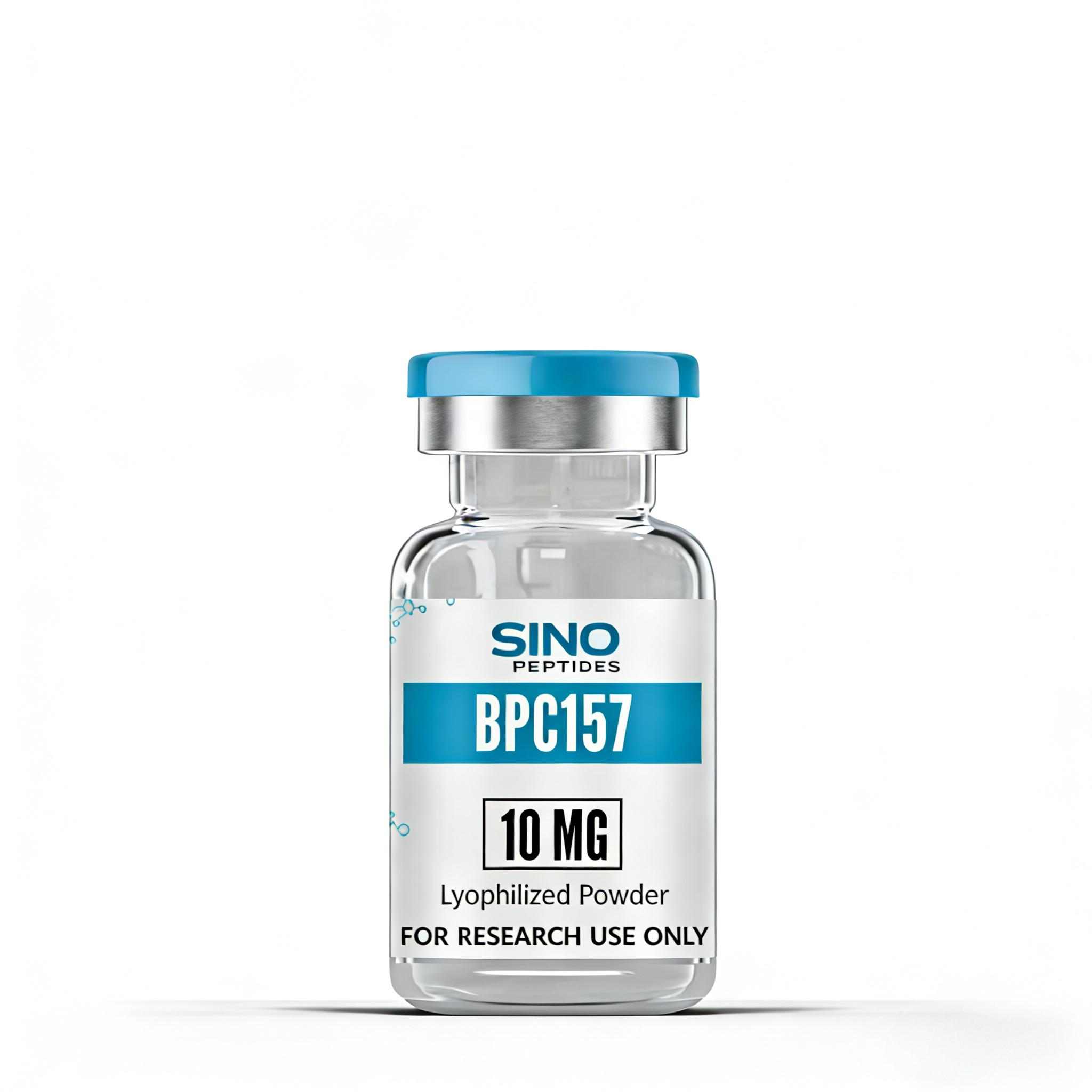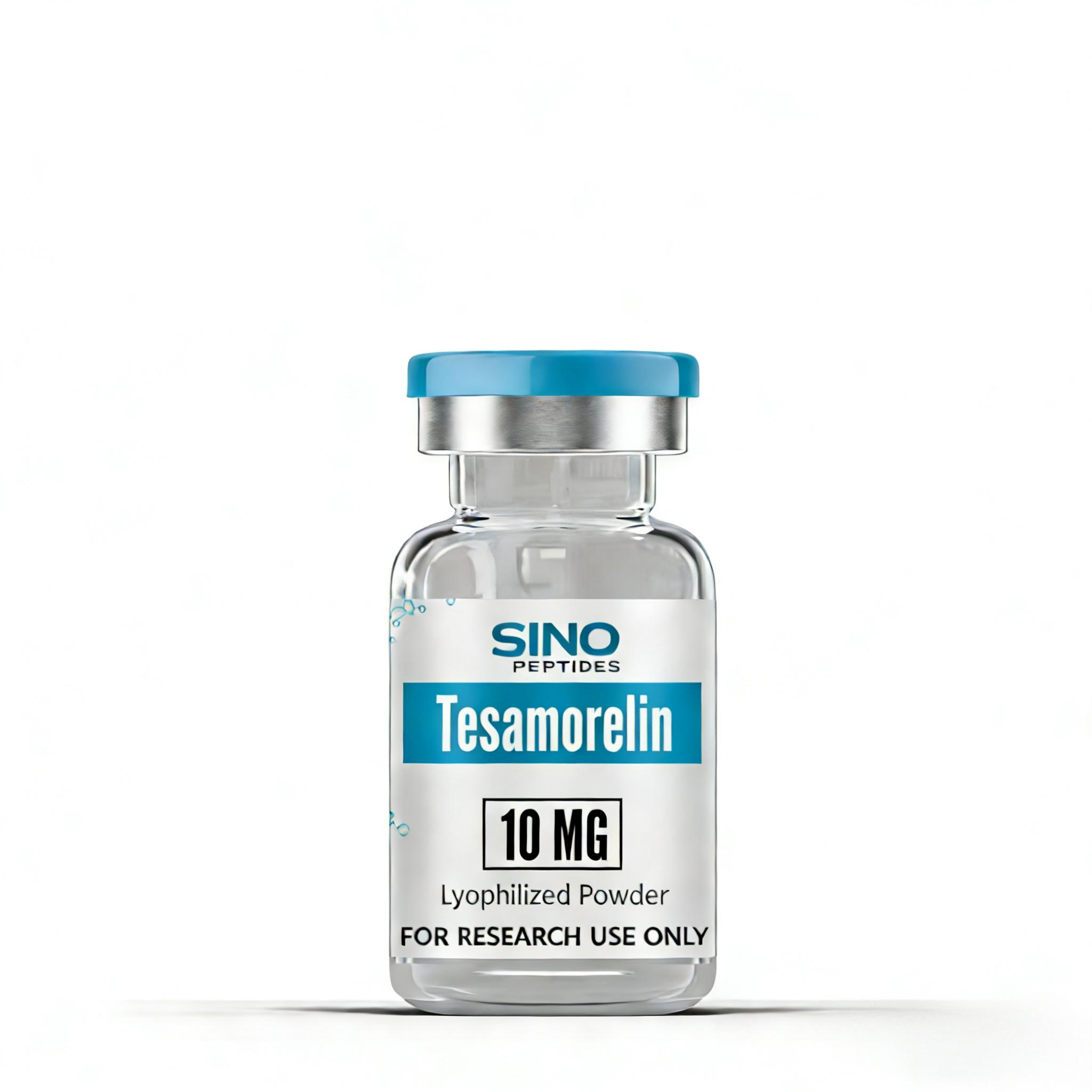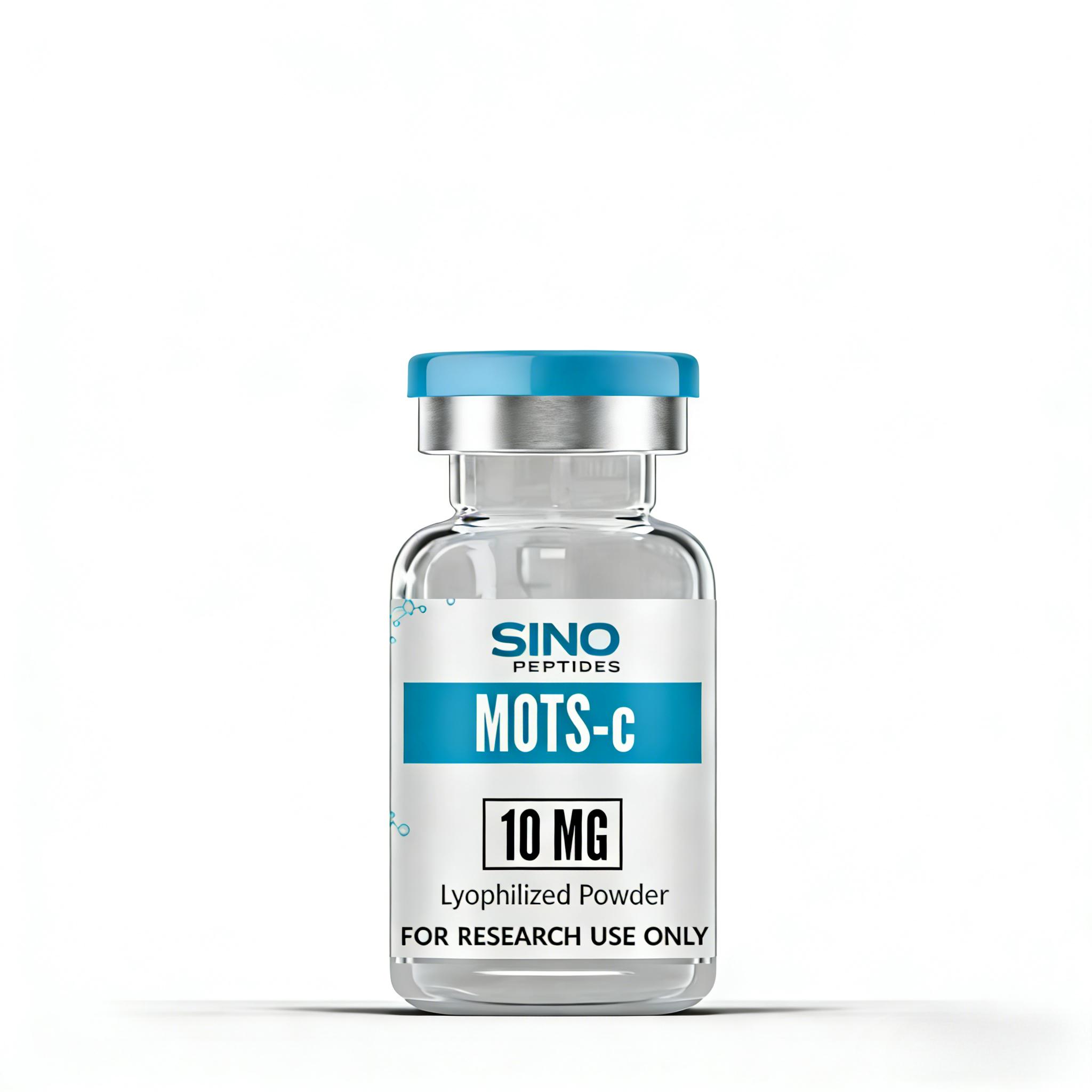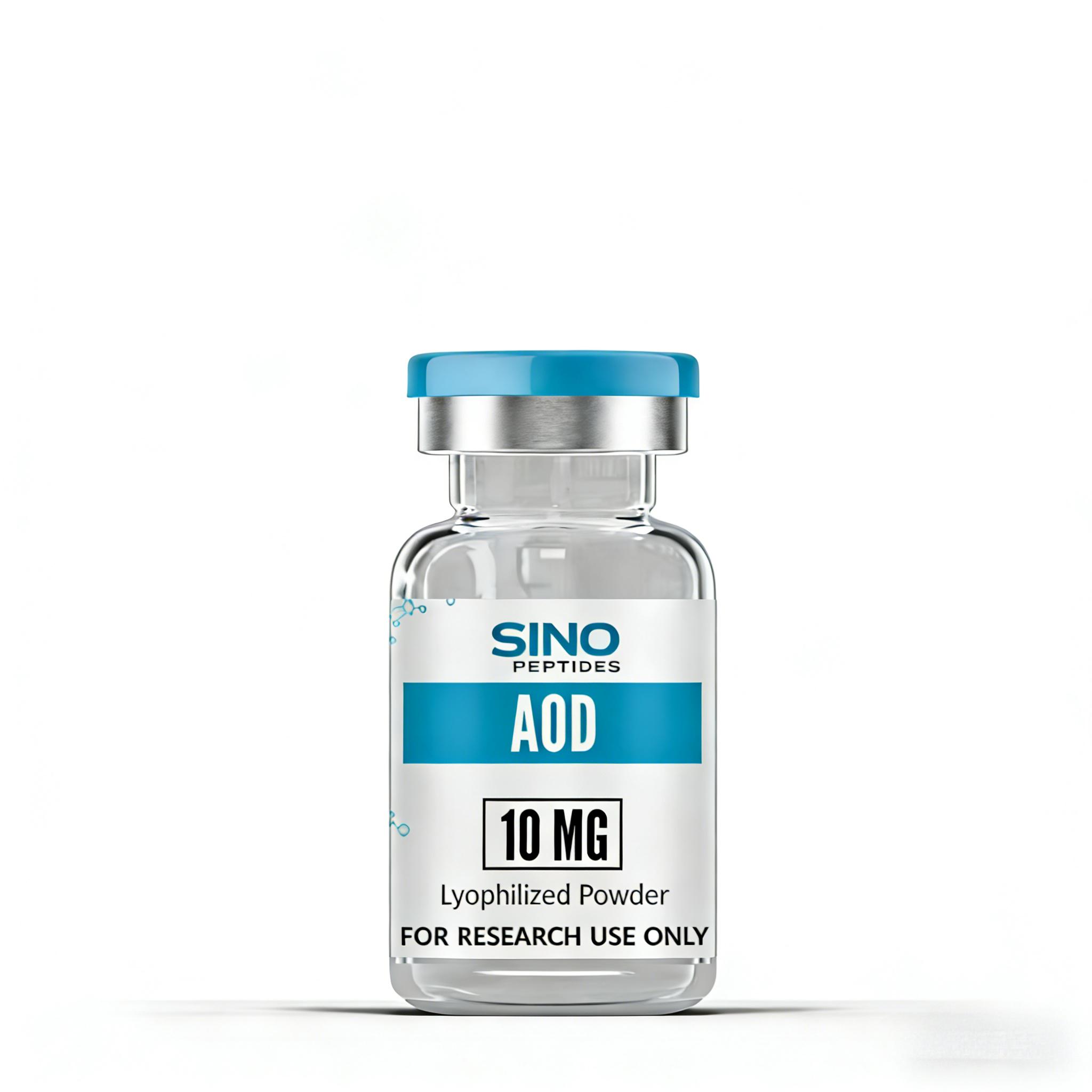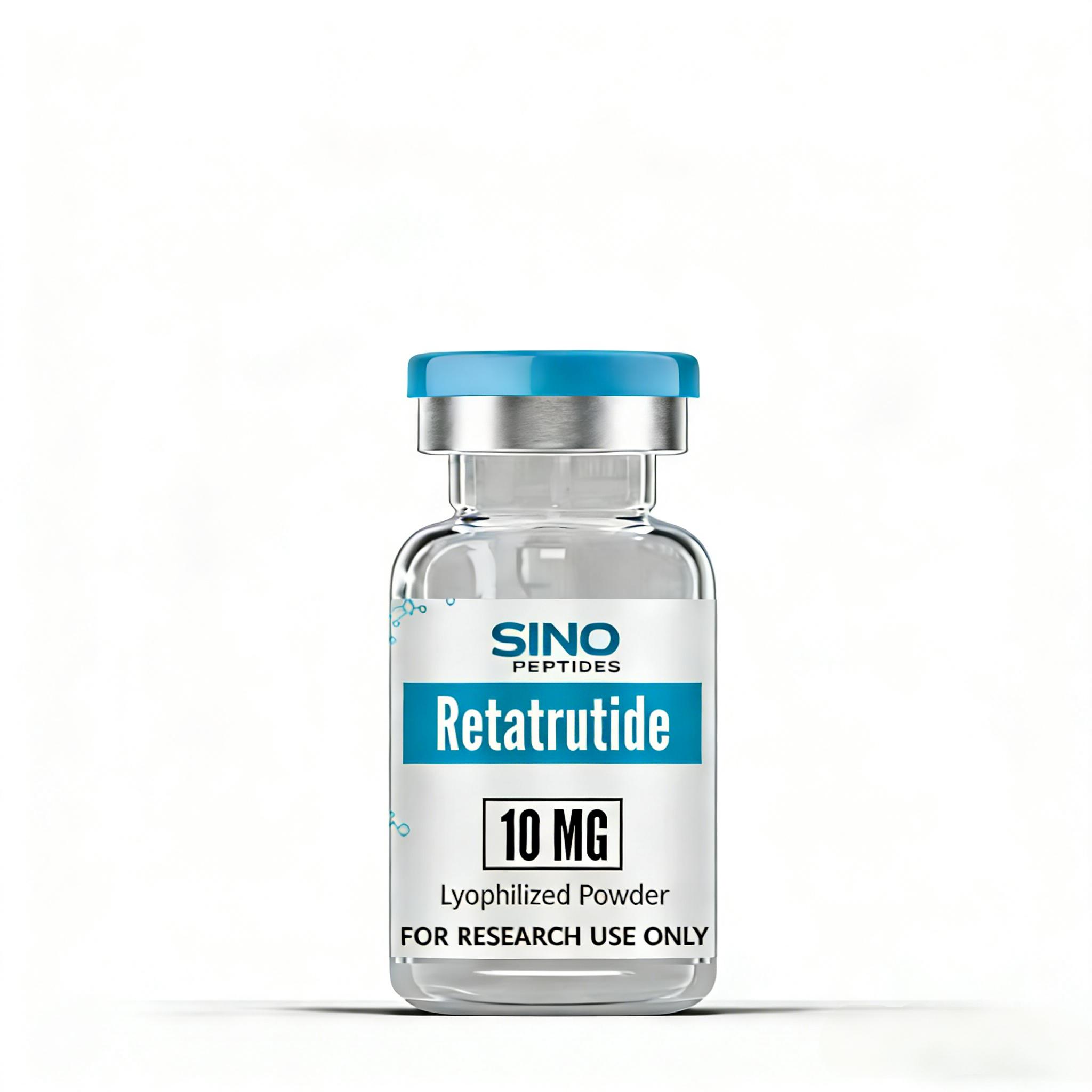
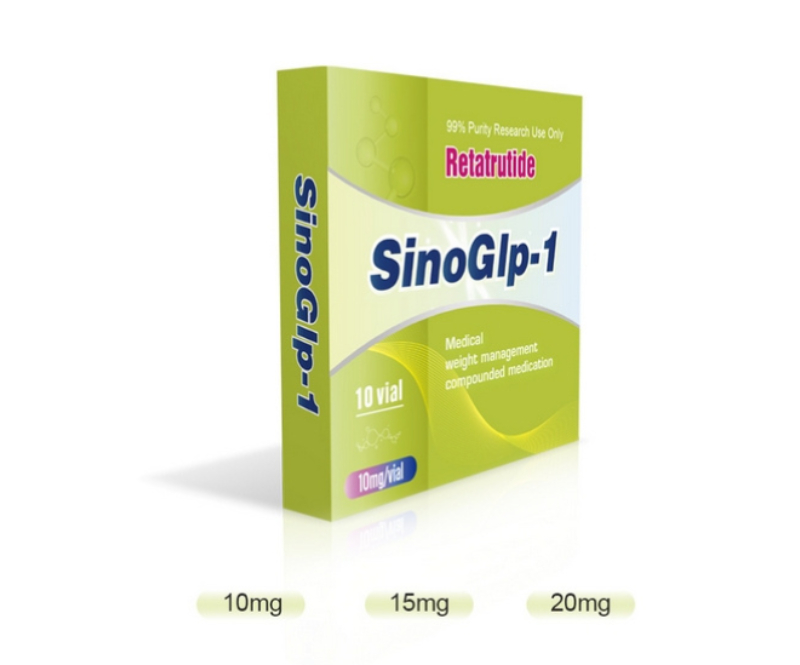
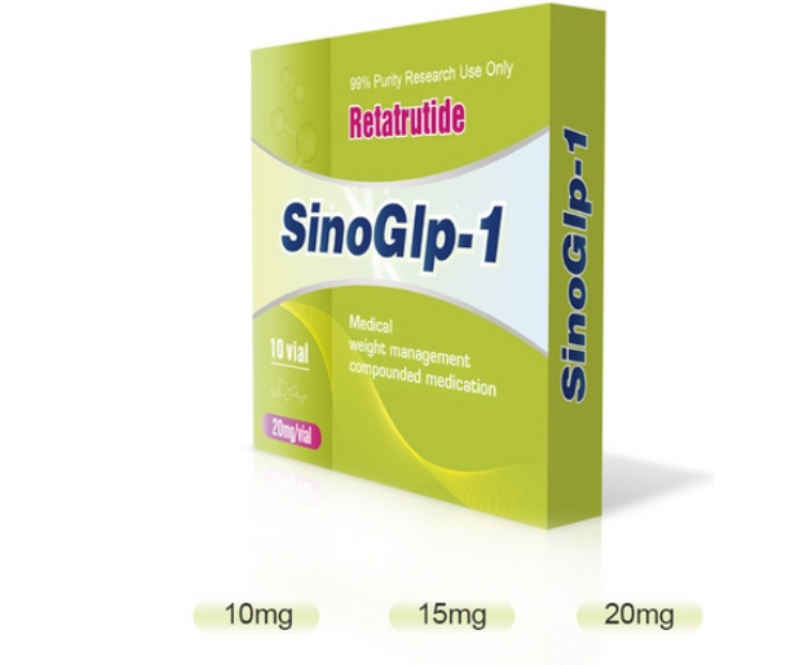
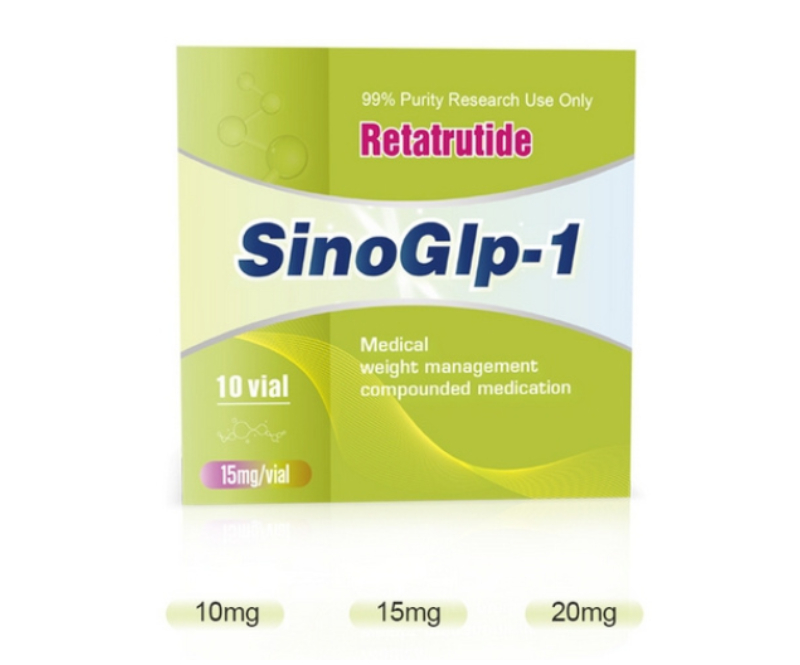
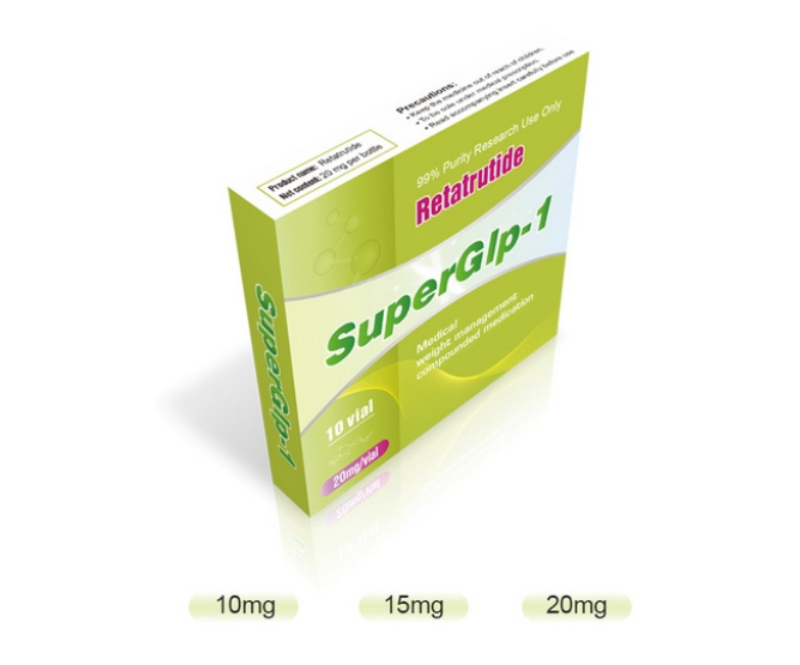
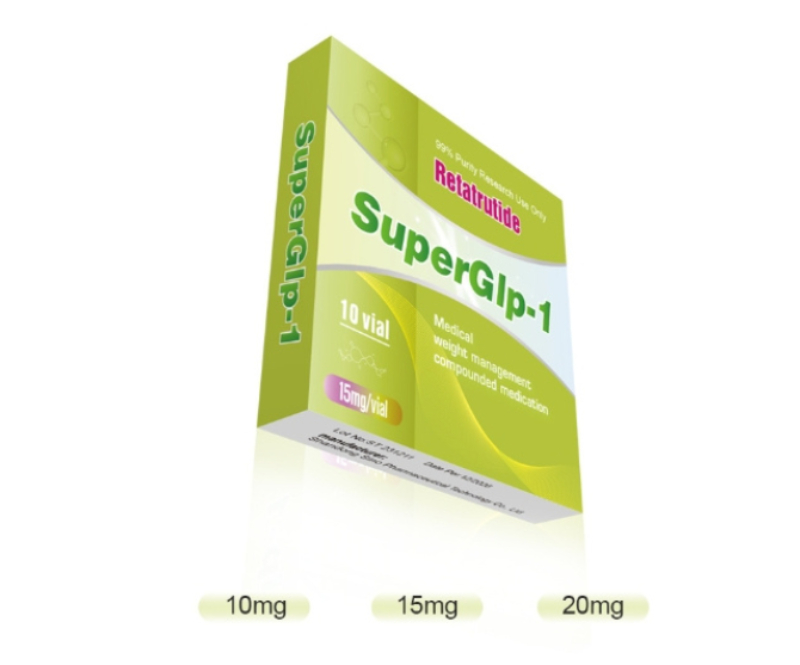
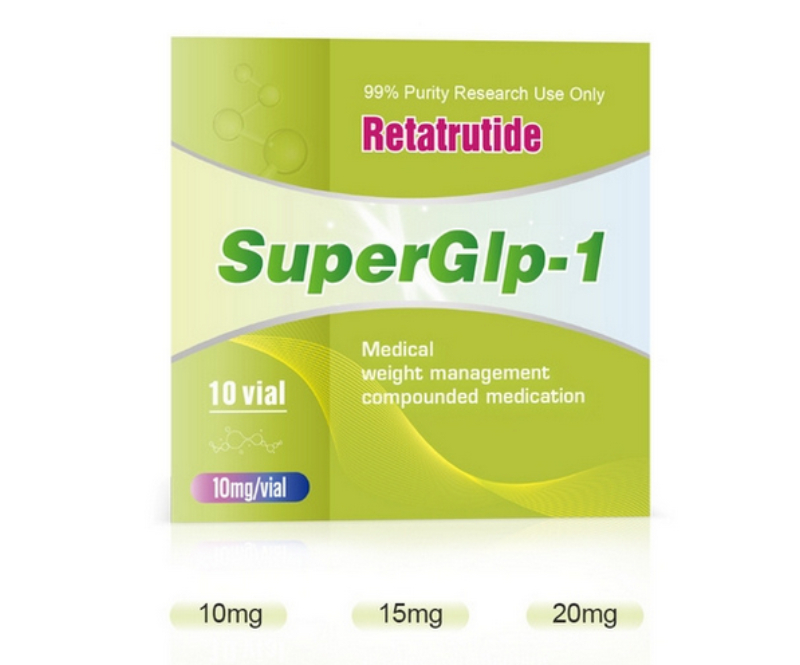
Specification: 10mg/vial; 15mg/vial; 20mg/vial
Pharmacological category: Triple receptor agonist (GLP-1/GIP/GCGR), Anti-obesity agent, Antidiabetic agent, Metabolic regulator
Mechanism of action: Novel long-acting triple agonist of GLP-1, GIP and GCGR, with stronger and more durable hypoglycemic & weight-loss effects than single GLP-1 agonists. It enhances insulin secretion in glucose-dependent manner, inhibits glucagon release, slows gastric emptying, increases central satiety, promotes fat decomposition and reduces visceral fat; also improves insulin sensitivity, regulates lipid metabolism, lowers blood pressure and reduces cardiovascular risk. Ultra-long half-life (≈28h), once-weekly subcutaneous injection after reconstitution, ultra-high stability in lyophilized form, easy storage/transportation, better efficacy and tolerance than liraglutide/semaglutide.
Indications:
1. Chronic weight management: Adults with obesity (BMI≥30kg/m²) or overweight (BMI≥27kg/m²) complicated with hypertension, dyslipidemia, T2DM, fatty liver, sleep apnea syndrome (first-line drug for severe obesity).
2. Adult type 2 diabetes mellitus (T2DM): Monotherapy or combined with metformin/insulin for glycemic control, suitable for patients with poor effect of single GLP-1 agonist.
3. Metabolic syndrome: Adjuvant treatment for insulin resistance, hyperlipidemia, abdominal obesity and multiple metabolic disorders.
4. Adjuvant weight loss for polycystic ovary syndrome (PCOS) with obesity/insulin resistance.
Usage and dosage: Subcutaneous injection only (abdomen/thigh/upper arm) after reconstitution with sterile water for injection, once weekly (any time, no food restriction), low initial dose titration to reduce adverse reactions.
1. Anti-obesity standard titration: Initial 2mg qw → increase to 5mg qw after 4 weeks → maintenance 10mg qw (max effective dose, can be adjusted according to weight loss effect).
2. Antidiabetic dosage: 2mg~5mg qw, once weekly, adjust according to blood glucose level, no need for daily injection.
3. Special population: Elderly/renal insufficiency patients start with 2mg qw, titrate slowly; avoid use in severe hepatic/end-stage renal disease, adolescents under 18 years old.
4. Key note: Rotate injection sites, prohibit IV/IM injection, use immediately after reconstitution, shake gently to dissolve completely, no residual storage.
Contraindications:
1. Hypersensitivity to retatrutide, any excipients or GLP-1/GIP/GCGR analogs.
2. History of medullary thyroid carcinoma (MTC) or multiple endocrine neoplasia syndrome type 2 (MEN 2).
3. Type 1 diabetes mellitus, diabetic ketoacidosis (DKA).
4. Severe acute pancreatitis, severe gastrointestinal obstruction, acute gastrointestinal bleeding.
5. Pregnant women, lactating women, children and adolescents under 18 years old.
Cautious population:
1. Mild-moderate gastrointestinal diseases (may aggravate nausea/vomiting/diarrhea, reduce dose if needed).
2. Renal insufficiency (adjust dose in stage 3-4 CKD, avoid ESRD); mild-moderate hepatic insufficiency (use cautiously, monitor liver function regularly).
3. History of pancreatitis/gallbladder disease (monitor abdominal pain and gallstone formation, discontinue if abnormal).
4. Hypertension/cardiovascular disease patients (monitor blood pressure, avoid hypotension caused by rapid weight loss).
5. Patients with a history of hypoglycemia (reduce combined hypoglycemic drug dose to prevent severe hypoglycemia).
6. Avoid combined use with other GLP-1 agonists/semaglutide/liraglutide to prevent excessive drug effect.
Adverse reactions: Mild-moderate, transient, relieved with continuous use/dosage titration, tolerance is better than single GLP-1 agonists
1. Common (≥8%): Gastrointestinal reactions (nausea, mild vomiting, diarrhea, abdominal distension, decreased appetite), injection site reactions (erythema, slight swelling, pain, pruritus), fatigue, mild headache, gradual weight loss (5%-15% of body weight in 3 months).
2. Rare (1%-5%): Constipation, flatulence, dizziness, insomnia, mild transaminase elevation, gallbladder polyps, TSH slight elevation, skin rash/urticaria, mild hypoglycemia (only combined with hypoglycemic drugs).
3. Severe (<1%): Acute pancreatitis (rare), severe hypoglycemic coma, anaphylactic shock, acute kidney injury (secondary to severe vomiting/diarrhea), rapid weight loss-induced malnutrition; no severe hepatotoxicity/nephrotoxicity with conventional dosage, no thyroid carcinoma risk reported.
Notes:
1. Reconstitution: Dissolve strictly with sterile water for injection, no alkaline solvent mixing, shake gently to clear transparent solution, use within 30 mins after preparation, discard unused solution.
2. Safety warning: Stop medication and seek emergency care immediately for persistent severe abdominal pain (with/without vomiting) (suspected acute pancreatitis).
3. Regular monitoring: Body weight, blood glucose, HbA1c, blood lipid, liver/kidney function, thyroid function (TSH) during long-term use; monitor blood pressure for hypertensive patients.
4. Storage: 2-8℃ refrigerated, sealed, protected from light for the whole shelf life; avoid freezing, high temperature (>30℃) and direct sunlight; sealed packaging can be transported at room temperature for 7 days; validity period: 36 months (unopened vial).
Welcome to submit any questions and suggestions. We will reply to you as soon as possible. Thank you for your support and help.