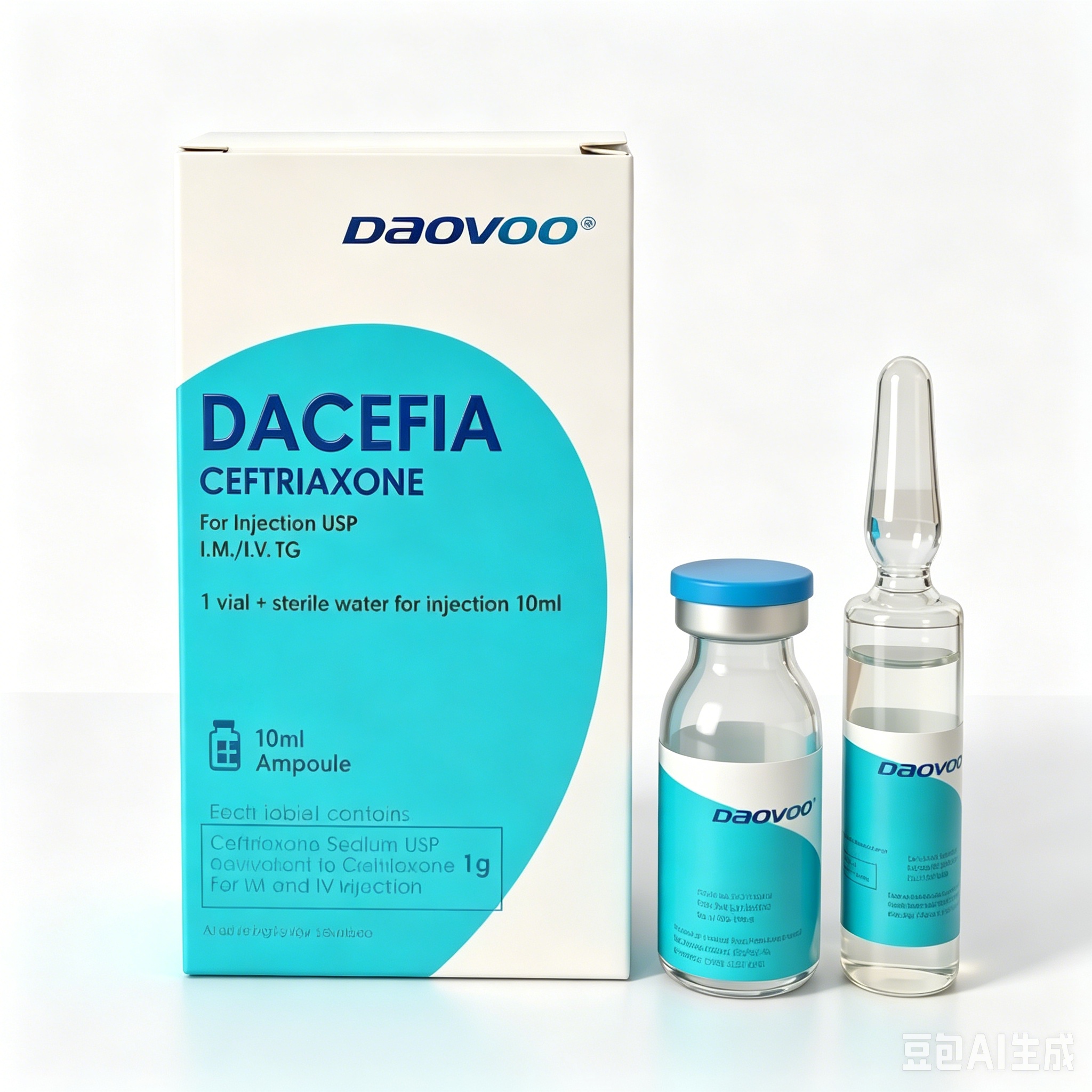
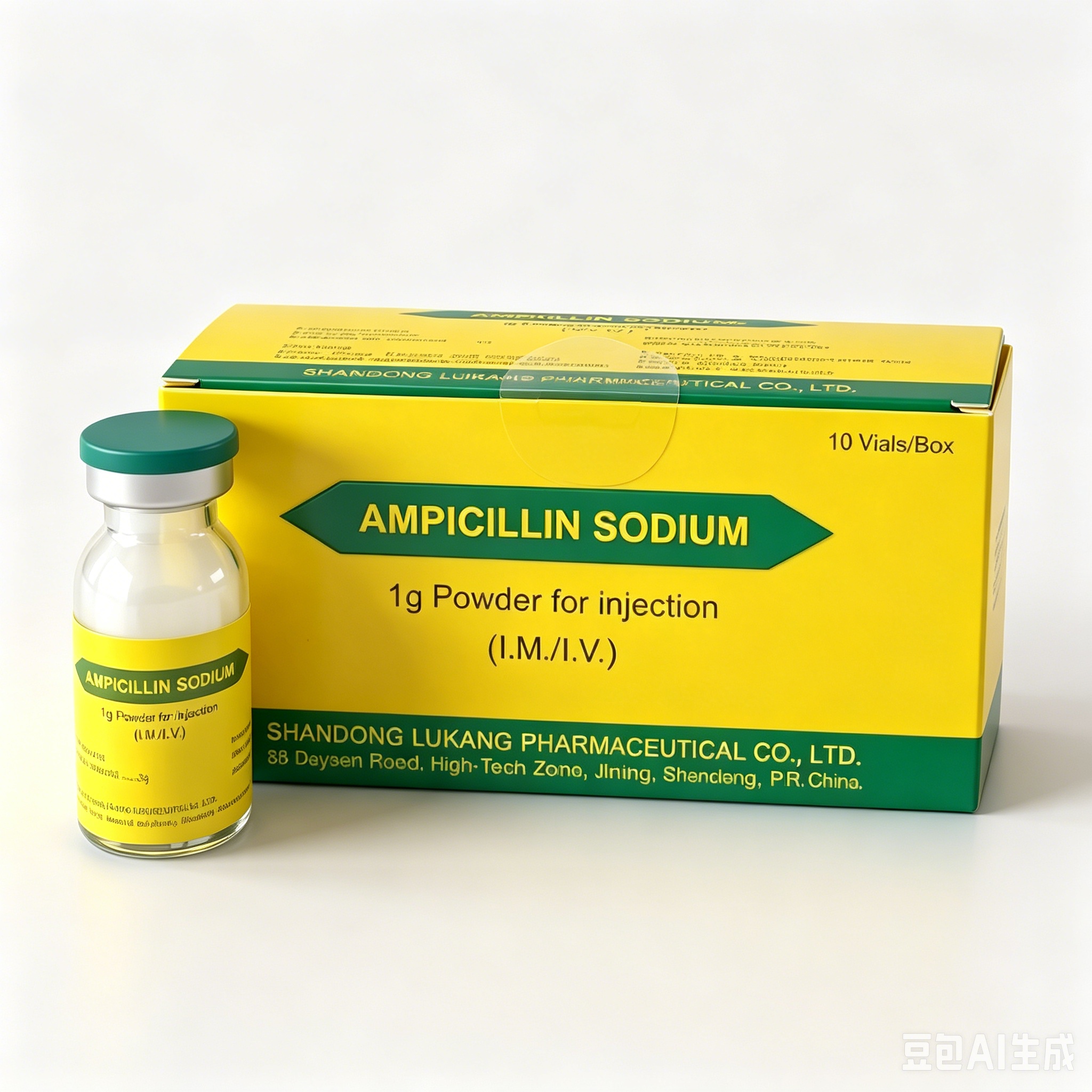
Ceftriaxone Sodium for Injection (0.25g)
Pharmacological category: Third-generation cephalosporin antibiotics,broad-spectrum bactericidal drug
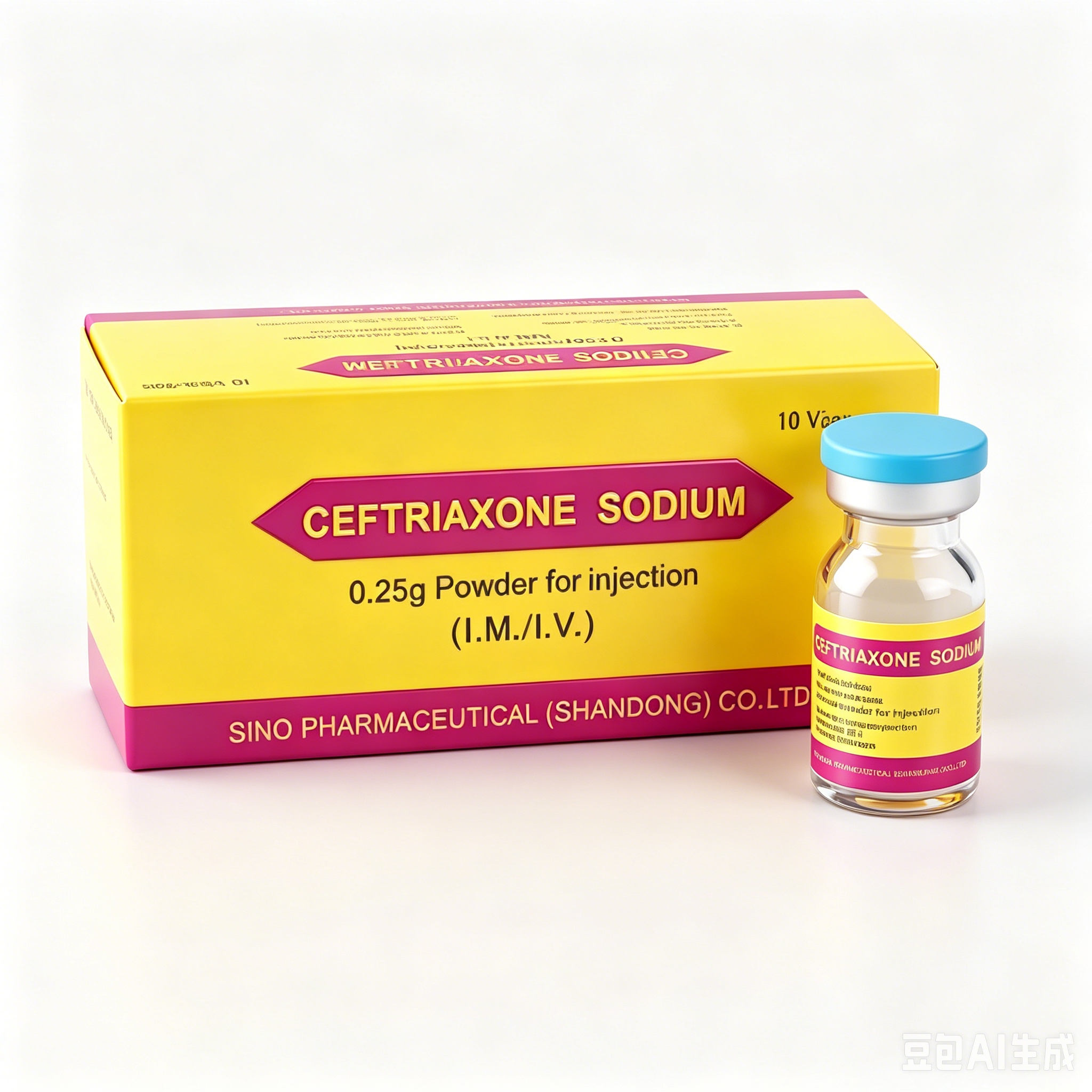



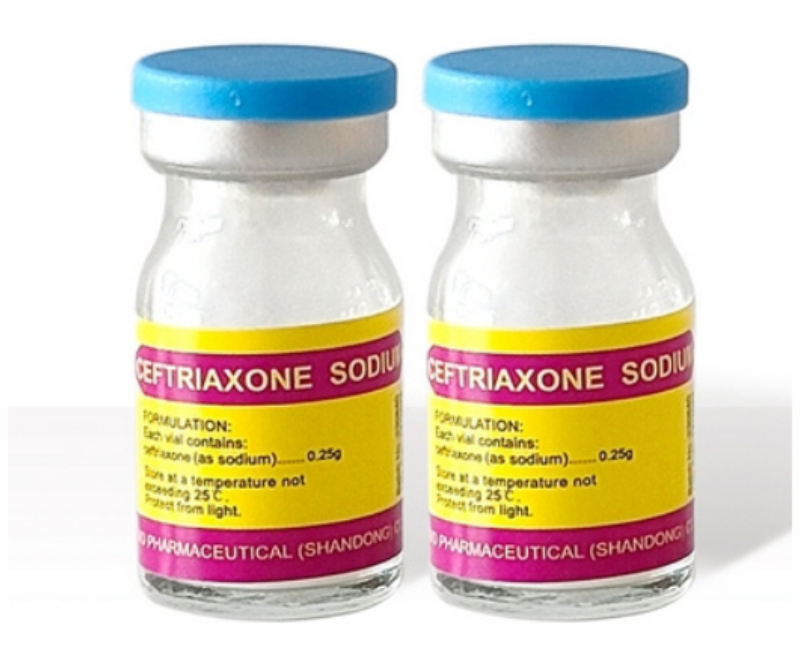

Mechanism of action: Inhibits the synthesis of bacterial cell wall peptidoglycan, destroys the integrity of bacterial cell wall, leads to bacterial osmotic lysis and death, exerts a broad-spectrum and potent bactericidal effect. High sensitivity to most Gram-positive bacteria and Gram-negative bacteria, strong antibacterial activity against drug-resistant Escherichia coli, Klebsiella pneumoniae, Salmonella, Shigella and Neisseria gonorrhoeae; stable to β-lactamase, no cross-resistance with penicillin, long half-life and long duration of action.
Indications: Mild to severe infections caused by sensitive bacteria, including respiratory tract infection, urinary tract infection, biliary tract infection, abdominal infection, pelvic infection, skin and soft tissue infection, septicemia, meningitis and osteomyelitis; also effective for typhoid fever, paratyphoid fever and gonococcal infection; adjuvant treatment for mixed infection combined with anti-anaerobic drugs, suitable for adults and children.
Usage and dosage: Intramuscular injection or intravenous drip after dilution with sterile water for injection/normal saline/glucose injection. Adult: 0.25g~2g once, once a day, intravenous drip for severe infection, the maximum daily dose is 4g. Pediatric: 20~80mg per kg body weight per day, once a day; infants and neonates use 20~50mg per kg body weight per day, strictly follow the doctor's advice. The course of treatment is 7~14 days for general infection.
Contraindications: Contraindicated in patients allergic to this product, cephalosporin antibiotics and any excipients of the preparation; contraindicated in patients with a history of severe penicillin anaphylaxis.
Cautious population: Use with caution in patients with severe hepatic and renal insufficiency (adjust dosage properly and monitor liver and kidney function); use with caution in patients with gastrointestinal diseases (especially ulcerative colitis, enteritis and pseudomembranous colitis); pregnant and lactating women use with caution after weighing benefits and risks; elderly patients with reduced organ function use with caution and reduce dosage appropriately; infants and neonates use the lowest effective dose under strict medical guidance; patients with hyperbilirubinemia use with caution to avoid bilirubin encephalopathy.
Adverse reactions: Mild and rare adverse reactions, common mild gastrointestinal discomfort such as nausea, vomiting, abdominal pain, diarrhea and loss of appetite; occasional rash, pruritus, urticaria and other allergic reactions; rare elevated transaminase, alkaline phosphatase and bilirubin, thrombocytopenia, leukopenia and hemolytic anemia; a small number of patients have local pain at intramuscular injection site and phlebitis at intravenous infusion site; severe allergic shock is rare, adverse reactions are reversible after drug withdrawal.
Notes: Skin allergy test is required before medication, stop the drug immediately if allergic reaction occurs and take symptomatic treatment; dilute strictly according to the specification, do not mix with other antibiotics in the same syringe/infusion bottle; long-term medication may cause intestinal flora imbalance and secondary fungal infection; complete the full course of treatment to avoid bacterial drug resistance; monitor blood routine and liver and kidney function regularly during long-term medication.
Welcome to submit any questions and suggestions. We will reply to you as soon as possible. Thank you for your support and help.