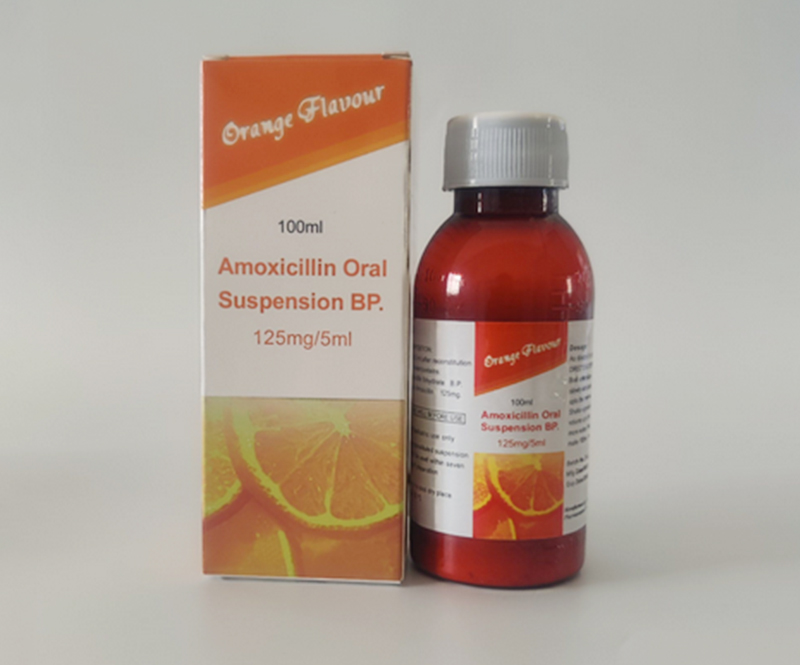
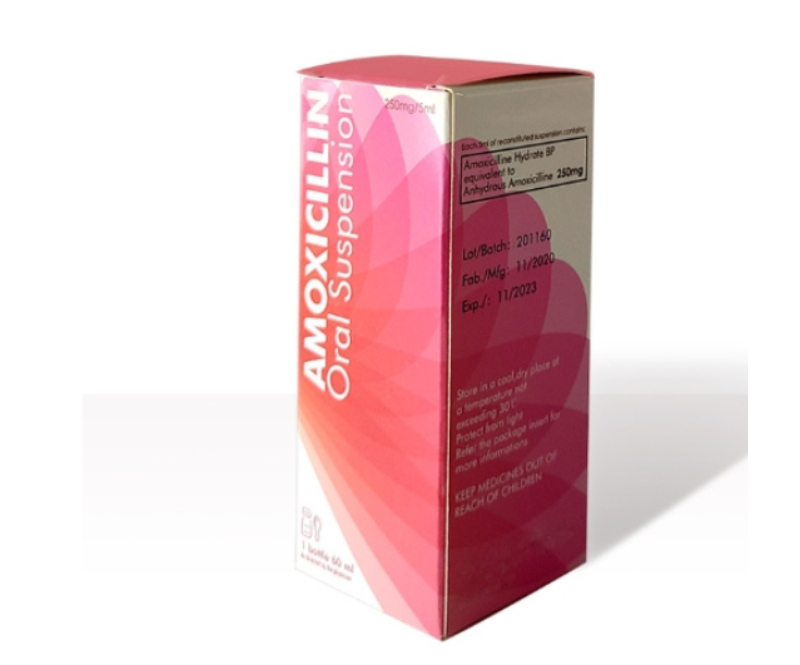
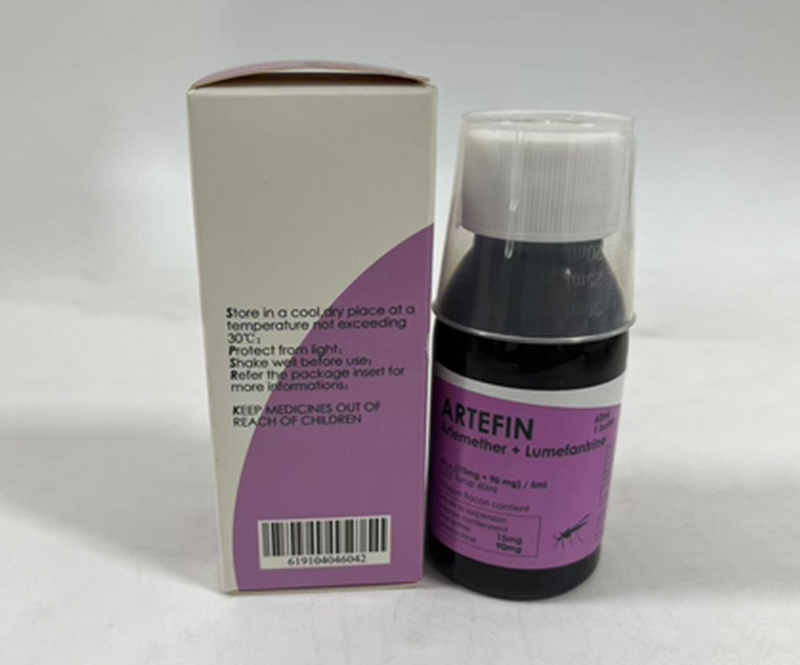
Amoxicillin Syrup
Pharmacological category: Broad-spectrum penicillin antibiotic, bactericidal agent
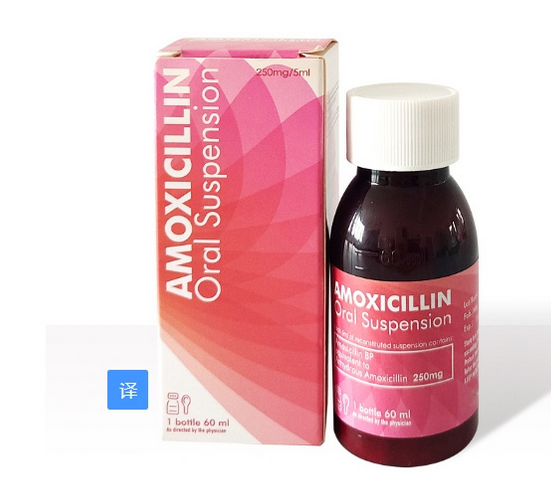
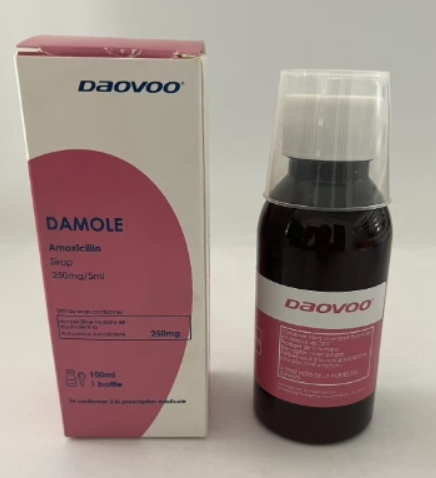
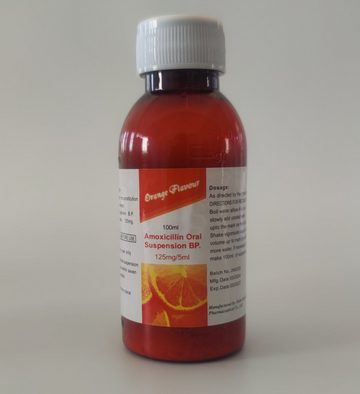
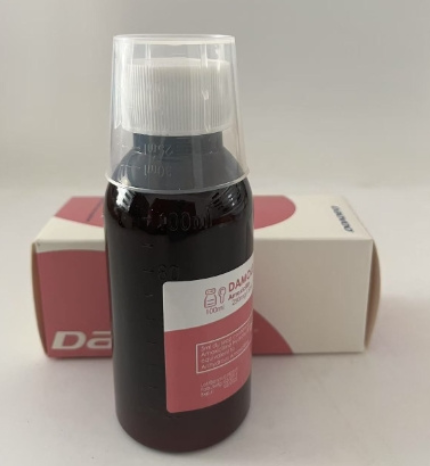
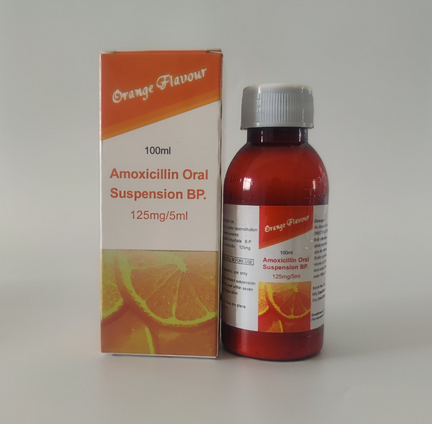
1.Mechanism of action:
As a semi-synthetic broad-spectrum penicillin with strong bactericidal activity, it binds to bacterial penicillin-binding proteins (PBPs) to inhibit bacterial cell wall synthesis, leading to bacterial lysis and death. It has broad antibacterial spectrum against Gram-positive and Gram-negative bacteria, good solubility, fast oral absorption, high bioavailability and sweet taste with good compliance, especially suitable for pediatric patients and those with difficulty swallowing solid preparations. The antibacterial effect is equivalent to amoxicillin capsules, and gastrointestinal irritation is milder.
2.Indications:
Treatment of mild to moderate bacterial infections caused by sensitive bacteria in children and adults, including upper/lower respiratory tract infection (pharyngitis, tonsillitis, bronchitis, pneumonia), urinary tract infection, gastrointestinal infection, skin and soft tissue infection, otitis media, sinusitis and oral/dental infection; adjuvant treatment of neonatal bacterial infection and postoperative prophylactic anti-infection; first-line oral antibiotic for pediatric bacterial infection with excellent compliance.
3.Usage and dosage:
Oral administration, shake well before use, take with warm water (before/after meals optional). Adult & children over 12 years: 250mg~500mg (5ml~10ml) once a time, 3 times a day. Children 2~12 years: 20~40mg per kg body weight per day, divided into 3 equal doses. Infants under 2 years: 10~20mg per kg body weight per day, divided into 3 equal doses. Severe infection can appropriately double the dosage, treatment course 7~14 days.
4.Contraindications:
Contraindicated in patients allergic to amoxicillin, penicillin antibiotics, this product and any excipients; contraindicated in patients with a history of penicillin anaphylactic shock; contraindicated in patients with infectious mononucleosis.
5.Cautious population:
Use with caution in patients with allergic constitution (asthma, urticaria, eczema); use with caution in mild to moderate hepatic/renal insufficiency patients (reduce dosage and monitor liver/kidney function regularly); pregnant and lactating women can use safely under medical guidance (no adverse impact on fetus/infant); elderly patients with reduced organ function take the minimum effective dose; infants and neonates use strictly according to body weight to avoid overdose; avoid combined use with probenecid to prevent drug accumulation; do not use for viral infection to avoid inducing bacterial drug resistance.
6.Adverse reactions:
High safety, mild and rare adverse reactions, better tolerance than oral solid preparations. Common reactions: Mild gastrointestinal discomfort (nausea, loose stool, mild diarrhea), relieved spontaneously after taking with meals or drug withdrawal; occasional mild dizziness, fatigue and drowsiness. Allergic reactions: Skin rash, pruritus and urticaria are occasional, severe anaphylactic shock is extremely rare (emergency rescue required if occurs); eosinophilia is rare. Rare reactions: Mild transient elevation of transaminase, oral candidiasis and intestinal flora disorder, reversible after drug withdrawal; no obvious ototoxicity or nephrotoxicity with conventional dosage.
7.Notes:
Shake fully before each use to ensure uniform drug concentration; do not mix with acidic drinks, alkaline drugs or other antibiotics to avoid drug inactivation; the syrup is clear yellow viscous liquid with sweet taste, forbidden to use if turbid, layered, precipitated or discolored; long-term continuous use may cause secondary fungal infection, which can be relieved by probiotic adjuvant treatment; store in a cool and dark place, avoid light and high temperature, seal tightly for preservation; validity period: 24 months (14 days after opening).
Welcome to submit any questions and suggestions. We will reply to you as soon as possible. Thank you for your support and help.