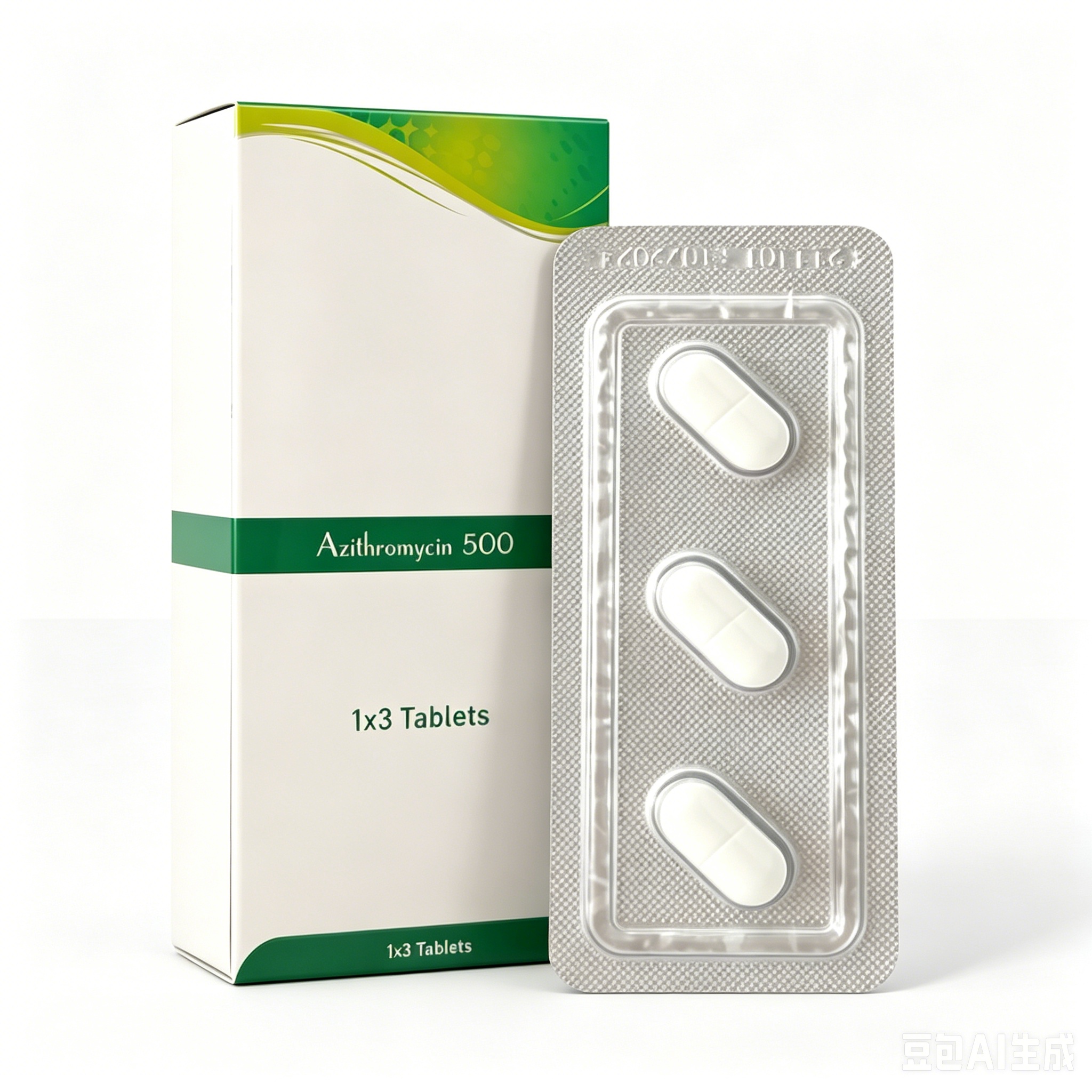
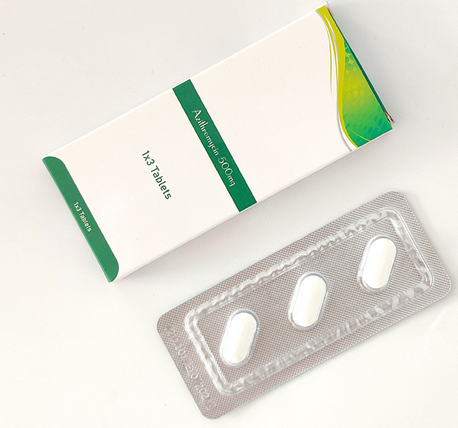
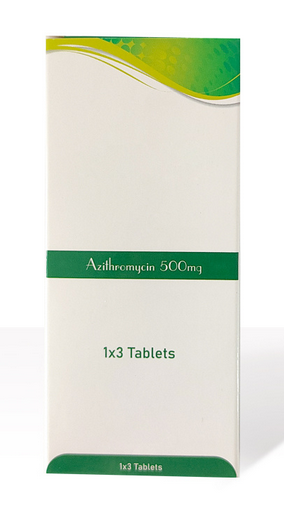
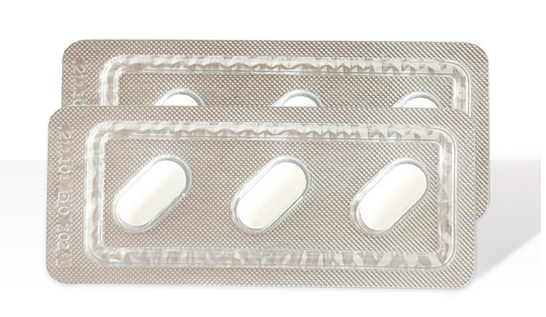
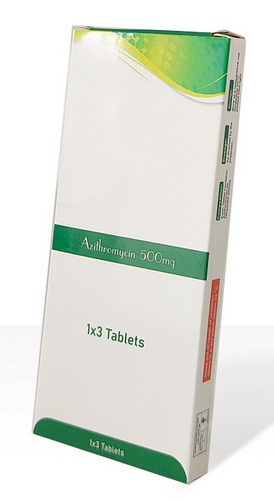
Azithromycin Tablets
Pharmacological category: Macrolide antibiotics, broad-spectrum antibacterial drug

1.Mechanism of action:
Inhibits bacterial protein synthesis by binding to the 50S subunit of bacterial ribosomes, blocks the peptide chain extension, exerts a bacteriostatic effect, and has bactericidal effect on sensitive bacteria at high concentration. It has a broad antibacterial spectrum, high sensitivity to Gram-positive bacteria, Gram-negative bacteria, mycoplasma, chlamydia and anaerobic bacteria, long half-life, and long duration of action after a single administration.
2.Indications:
Used for mild to moderate infections caused by sensitive pathogens, including respiratory tract infection (pharyngitis, tonsillitis, bronchitis, pneumonia), urinary tract infection, reproductive system infection, skin and soft tissue infection, otitis media, sinusitis; also effective for mycoplasma pneumonia and chlamydia infection, adjuvant treatment for mixed infection.
3.Usage and dosage:
Oral administration, swallow with warm water, take on an empty stomach (1 hour before meals or 2 hours after meals). Adult: 0.5g once a day, for 3 consecutive days; or the first day 0.5g, then 0.25g once a day for 4 days. Pediatric: 10mg per kg body weight once a day, for 3 consecutive days; adjust the dosage according to age and weight strictly, the maximum daily dose shall not exceed 0.5g.
4.Contraindications:
Contraindicated in patients allergic to this product, macrolide antibiotics and any excipients of the preparation.
5.Cautious population:
Use with caution in patients with severe hepatic and renal insufficiency (adjust dosage properly); use with caution in patients with cardiovascular diseases and QT interval prolongation; use with caution in patients with myasthenia gravis (may aggravate muscle weakness); pregnant and lactating women use with caution after weighing benefits and risks; elderly patients with reduced organ function use with caution; infants and young children use under strict medical guidance.
6.Adverse reactions:
Mild and transient adverse reactions, common mild gastrointestinal discomfort such as nausea, vomiting, abdominal pain, diarrhea, abdominal distension and loss of appetite; occasional dizziness, headache, fatigue, insomnia and rash; rare elevated transaminase, cholestatic jaundice, arrhythmia and leukopenia; adverse reactions are milder than erythromycin, and the incidence is low, most symptoms can relieve spontaneously after drug withdrawal.
7.Notes:
Take on an empty stomach to improve oral absorption and efficacy; do not take with antacids at the same time (take 2 hours apart); long-term medication may cause intestinal flora imbalance and secondary fungal infection; complete the full course of treatment to avoid bacterial drug resistance; monitor liver function regularly during long-term medication.
Welcome to submit any questions and suggestions. We will reply to you as soon as possible. Thank you for your support and help.