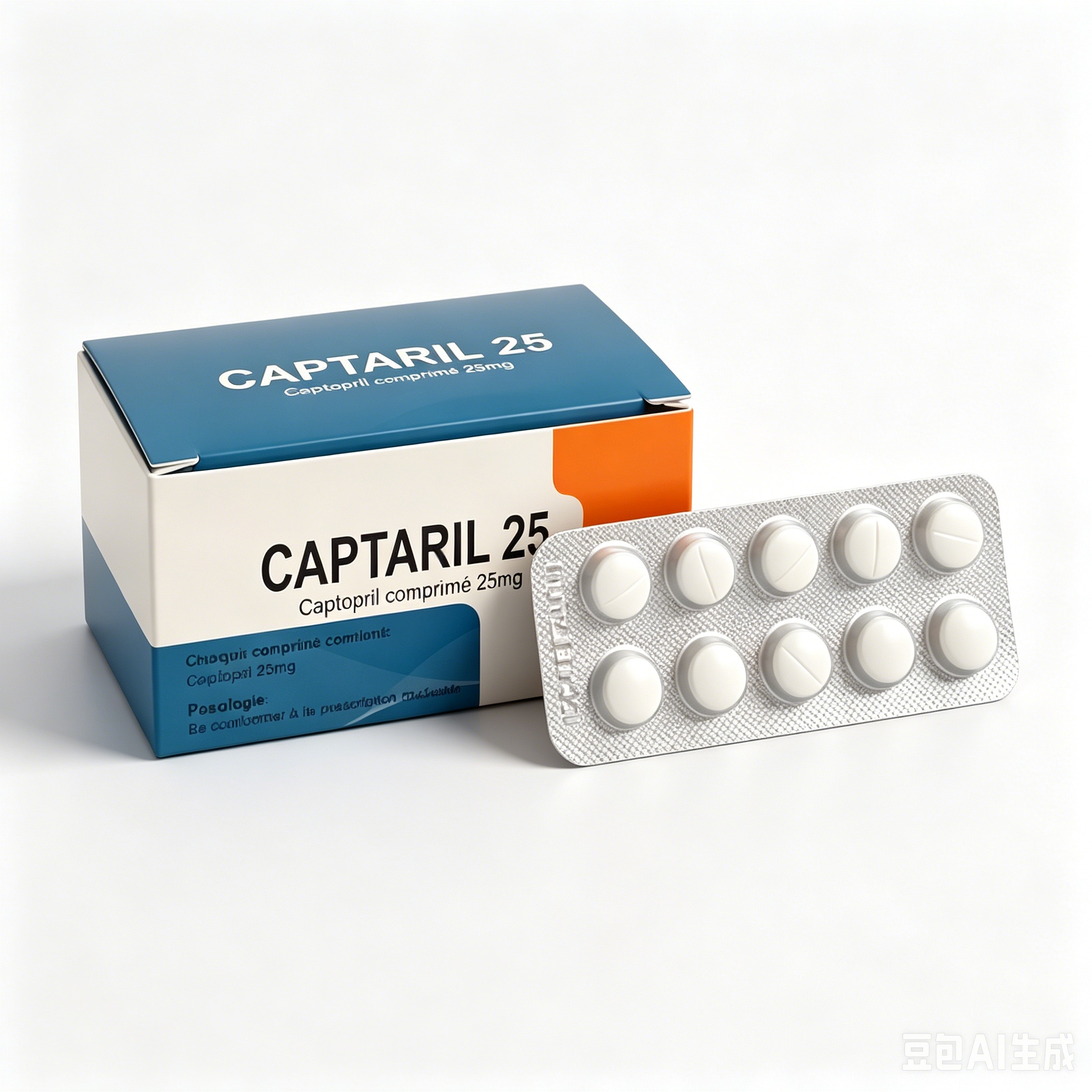
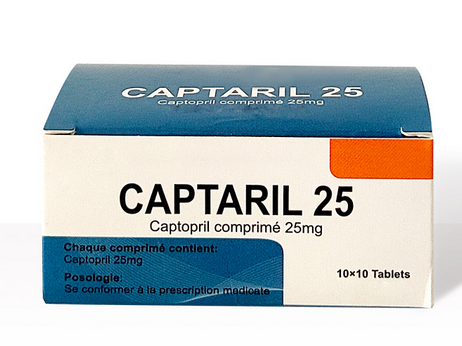
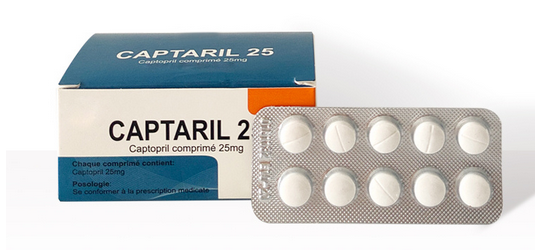
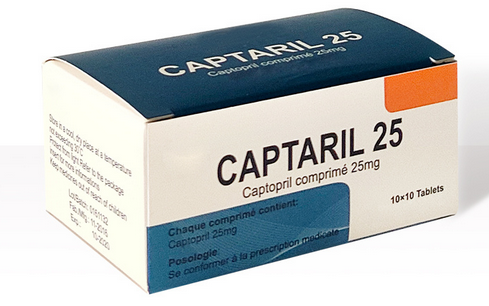
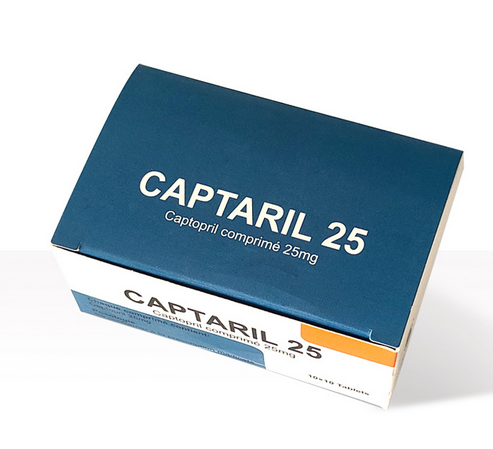
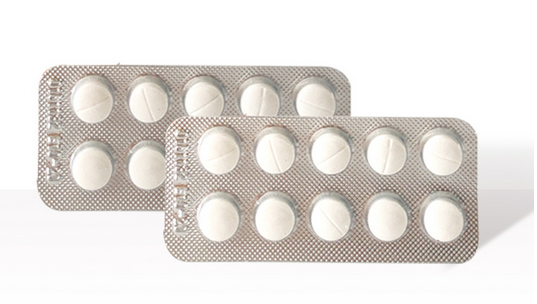
Captopril Tablets
Pharmacological category:angiotensin-converting enzyme inhibitor (ACEI)
1.Pharmacological effect
Cartopril blocks the conversion of angiotensin I to angiotensin II by inhibiting angiotensin-converting enzyme. Angiotensin II is a potent vasoconstrictor and also promotes aldosterone secretion, leading to water and sodium retention.
Through this action, the drug achieves the effects of dilating blood vessels, reducing peripheral vascular resistance, and decreasing water and sodium retention, thereby reaching the goal of lowering blood pressure. It can also improve cardiac remodeling in patients with heart failure and reduce the burden on the heart.
2.Hypertension:
It can be used alone or in combination with other antihypertensive drugs (such as diuretics and calcium channel blockers) to treat primary hypertension at all levels or renal hypertension.
Heart failure: It is used to treat congestive heart failure, which can improve the heart function of patients, alleviate symptoms such as shortness of breath and edema, and reduce the hospitalization rate and mortality rate of heart failure.
Myocardial infarction: It is suitable for patients with cardiac insufficiency after myocardial infarction, which helps protect the myocardium and improve prognosis.
3.Dosage and Administration
Hypertension: Oral administration. The initial dose is 12.5mg each time, 2 to 3 times a day. Depending on the blood pressure condition, it can be gradually increased to 25 to 50mg each time, 2 to 3 times a day. The maximum dose generally does not exceed 150mg a day.
Heart failure: The initial dose is 12.5mg each time, 2-3 times a day. After tolerance, it can be gradually increased to 25-50mg each time, 2-3 times a day. The dosage should be adjusted under the guidance of a doctor.
The dosage for children should be calculated based on their weight and taken as directed by a doctor.
4.Adverse reactions
Common reactions: Dry cough is the most characteristic adverse reaction of captopril, with an incidence rate of approximately 10% to 20%. It is mostly irritating dry cough and can be relieved after drug withdrawal. In addition, dizziness, fatigue, nausea, rashes and other symptoms may also occur.
Rare reactions: hypotension (especially at the beginning of medication or dose adjustment), elevated blood potassium, transient impairment of renal function, taste disorders (such as reduced or lost taste), etc.
Rare reaction: Angioedema (such as swelling of the face, lips and tongue), which is a severe allergic reaction, requires immediate discontinuation of medication and medical attention.
5.Contraindications
This product is contraindicated in patients allergic to captopril or angiotensin-converting enzyme inhibitors.
It is contraindicated in patients with bilateral renal artery stenosis.
Contraindicated in patients with hyperkalemia.
Contraindicated for pregnant women (may cause damage to the fet
Welcome to submit any questions and suggestions. We will reply to you as soon as possible. Thank you for your support and help.