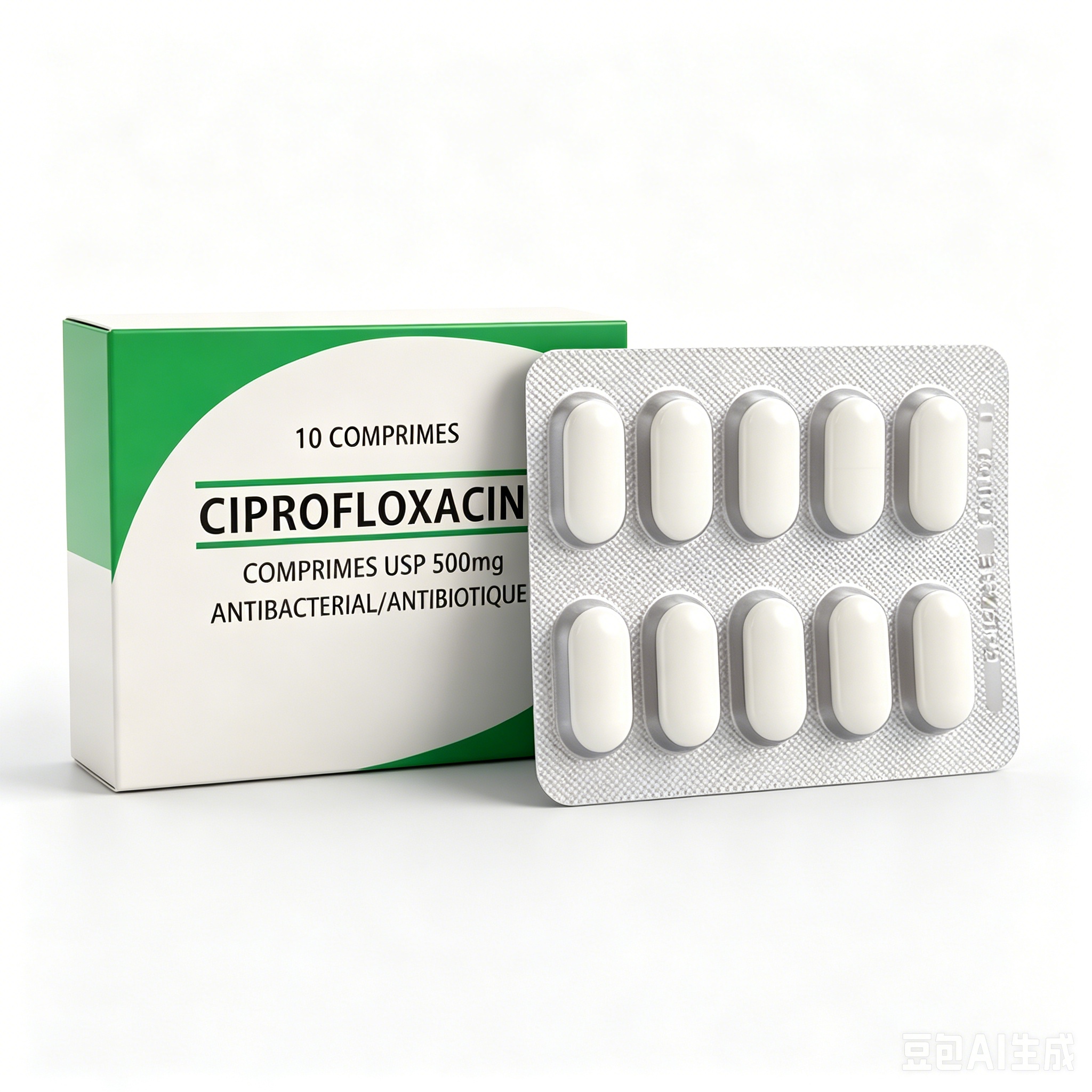
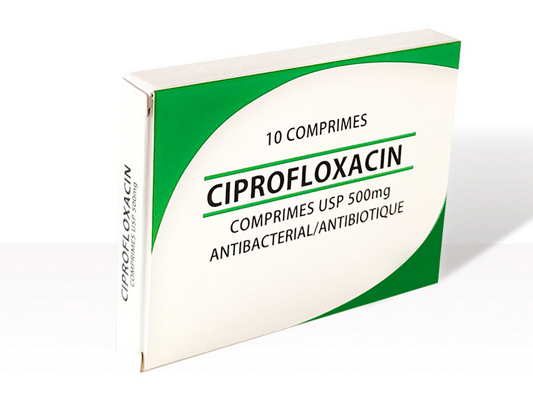
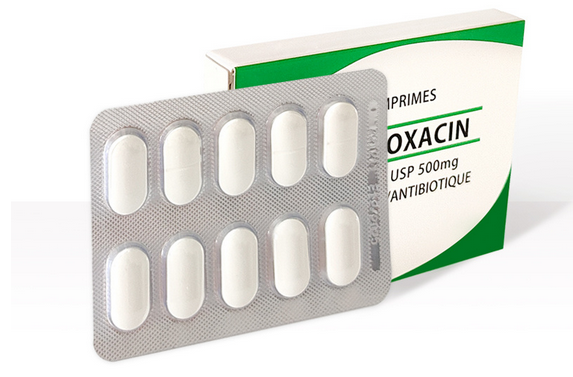
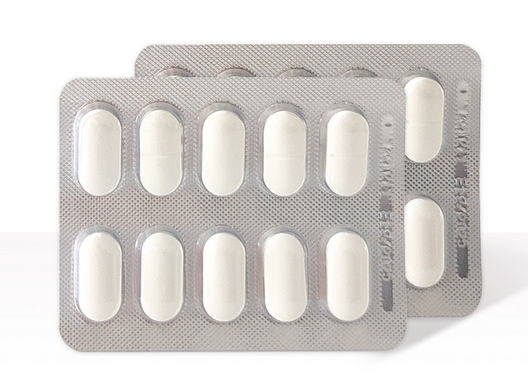
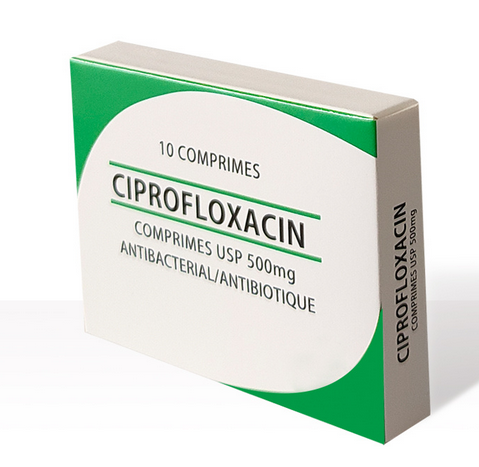
Ciprofloxacin Tablets
Pharmacological category: Quinolone antibiotics, broad-spectrum bactericidal drug
1.Mechanism of action:
Inhibits bacterial DNA gyrase and topoisomerase Ⅳ, blocks bacterial DNA replication and transcription, exerts a strong broad-spectrum bactericidal effect. It is highly sensitive to most Gram-negative bacteria (Escherichia coli, Pseudomonas aeruginosa, Salmonella, Shigella), also has antibacterial activity against partial Gram-positive bacteria, oral absorption is good, bioavailability is about 70%, peak plasma concentration is reached in 1-2 hours, duration of action is 12 hours.
2.Indications:
Used for mild to moderate infections caused by sensitive bacteria, including respiratory tract infection, urinary tract infection, biliary tract infection, intestinal infection, skin and soft tissue infection, prostatitis, cervicitis and gonococcal infection; also effective for typhoid fever and infectious diarrhea.
3.Usage and dosage:
Oral administration, take with warm water, can be taken with or without food. Adult: 0.25g~0.5g once, 2 times a day; the dosage can be increased to 0.5g once, 2 times a day for severe infection, the course of treatment is 7~14 days. Pediatric: Prohibited for children and adolescents under 18 years old (may affect cartilage development). Patients with renal insufficiency need to adjust the dosage properly.
4.Contraindications:
Contraindicated in patients allergic to this product, quinolone antibiotics and any excipients of the preparation; contraindicated in pregnant and lactating women; contraindicated in children and adolescents under 18 years old.
5.Cautious population:
Use with caution in patients with severe hepatic and renal insufficiency; use with caution in patients with central nervous system diseases such as epilepsy, cerebral arteriosclerosis; use with caution in patients with tendon diseases and a history of tendon rupture; elderly patients use with caution and reduce the dose properly; patients with glucose-6-phosphate dehydrogenase deficiency use with caution to avoid hemolysis; patients with QT interval prolongation and bradycardia use with caution.
6.Adverse reactions:
Common mild gastrointestinal discomfort such as nausea, vomiting, abdominal pain, diarrhea, loss of appetite; central nervous system symptoms such as dizziness, headache, insomnia and irritability; occasional rash, pruritus, photosensitivity reaction and joint pain; rare tendonitis, tendon rupture, peripheral neuritis, elevated transaminase and renal function damage; long-term use may cause intestinal flora imbalance and secondary fungal infection, adverse reactions are milder than intravenous preparation.
7.Notes:
Avoid exposure to strong sunlight during medication to prevent photosensitivity reaction; do not take with antacids containing aluminum and magnesium at the same time, which will reduce drug absorption; take 2 hours apart from iron preparations and zinc supplements; long-term medication should monitor liver and kidney function and blood routine; complete the full course of treatment to avoid bacterial drug resistance.
Welcome to submit any questions and suggestions. We will reply to you as soon as possible. Thank you for your support and help.