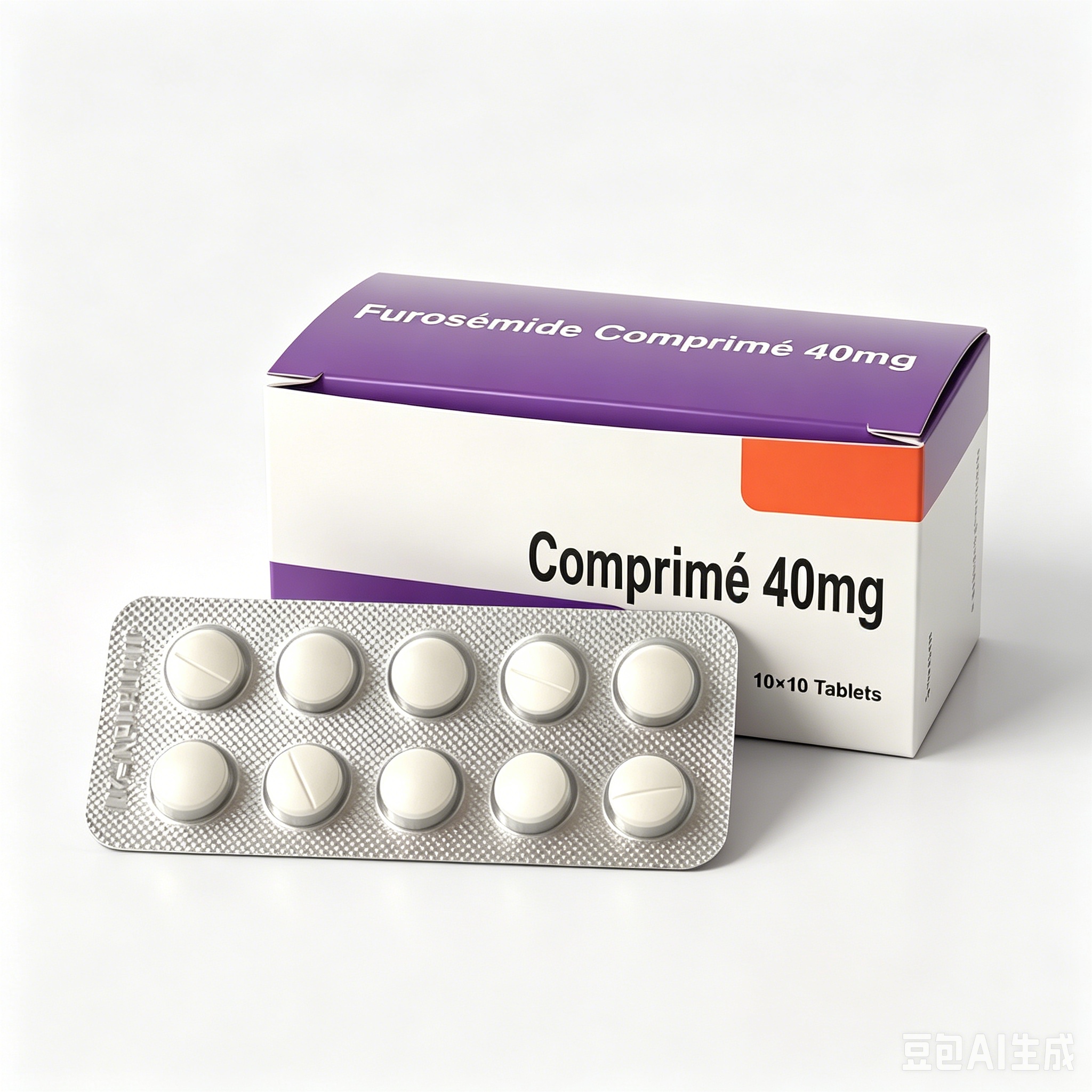
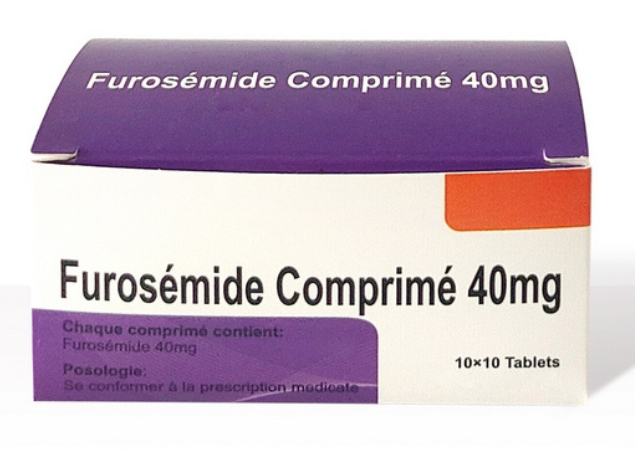
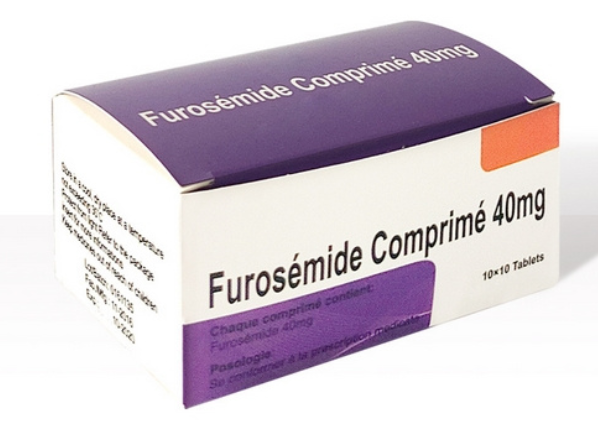
Furosemide Tablets
Pharmacological category: Loop diuretic, high-efficiency diuretic drug
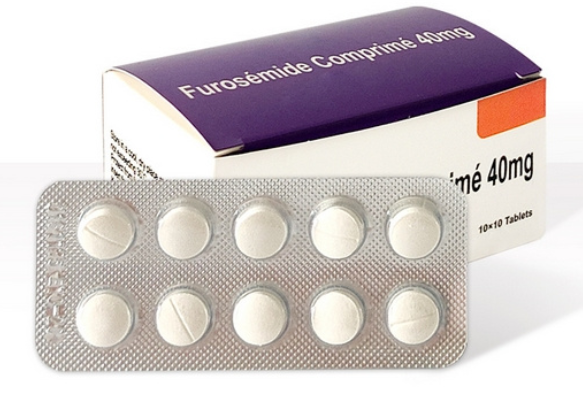
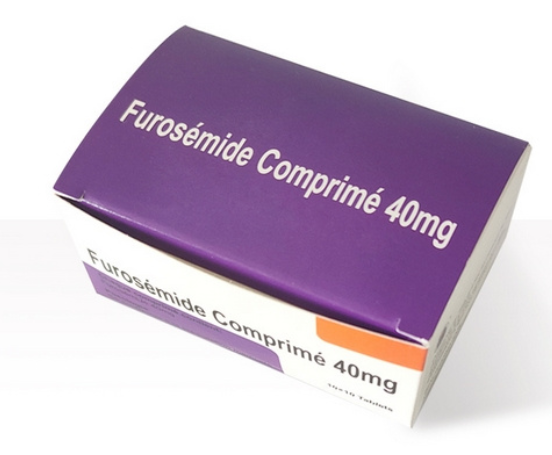
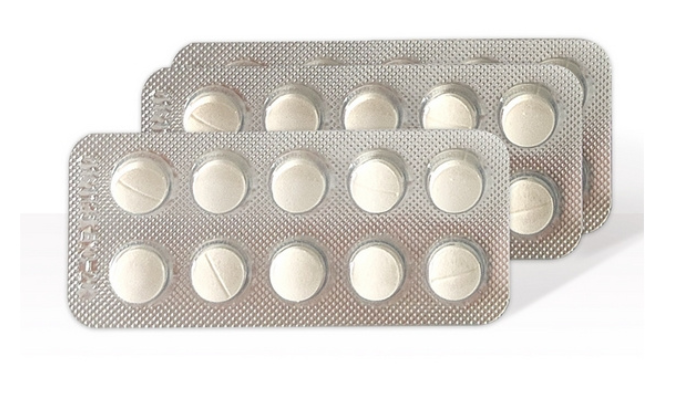
1.Mechanism of action:
Inhibits the reabsorption of sodium, chloride and water in the ascending branch of the loop of Henle in renal tubules, increases the excretion of water and various electrolytes, exerts a strong diuretic effect, oral administration takes effect in 30 minutes to 1 hour, the peak effect is at 1-2 hours, and the duration is 6-8 hours.
2.Indications:
Used for edema diseases such as cardiac edema, renal edema, hepatic edema and congestive heart failure; hypertension as adjuvant treatment; oliguria in acute renal failure; hypercalcemia; accelerated excretion of toxic substances in drug poisoning.
3.Usage and dosage:
Oral administration. Adult: 20~40mg once, 1 time a day, take in the morning, increase the dose to 80mg per day if necessary, divided into 2 times, the maximum daily dose is 120mg. Pediatric: 2~3mg per kg body weight per day, divided into 2~3 times, adjust the dose according to the condition and urine volume.
4.Contraindications:
Contraindicated in patients allergic to this product and other sulfonamide diuretics; contraindicated in patients with anuria or severe renal failure without renal perfusion; contraindicated in patients with hepatic coma; contraindicated in patients with severe electrolyte disturbance.
5.Cautious population:
Use with caution in patients with heart failure, severe liver and kidney dysfunction, diabetes, hyperuricemia or gout, hypoproteinemia, systemic lupus erythematosus; pregnant and lactating women use with caution; elderly patients with reduced renal function use with caution and reduce the dose properly; children use with caution and adjust the dose according to body weight strictly.
6.Adverse reactions:
Common electrolyte disturbance including hypokalemia, hyponatremia, hypochloremia, hypocalcemia; water and electrolyte imbalance such as dehydration, hypotension and hypovolemia; gastrointestinal discomfort such as nausea, vomiting, abdominal distension, diarrhea and constipation; rare dizziness, headache, tinnitus, hearing loss, rash, pruritus, elevated blood sugar and blood uric acid; long-term medication may cause renal function damage, blood lipid disorder and metabolic alkalosis.
7.Notes:
Take the medicine in the morning to avoid frequent micturition affecting sleep at night; monitor electrolyte, renal function, blood pressure and blood sugar regularly during medication; supplement potassium timely to prevent hypokalemia; avoid combined use with aminoglycoside antibiotics to reduce the risk of ototoxicity and nephrotoxicity; do not stop the medicine suddenly, reduce the dose gradually according to the condition.
Welcome to submit any questions and suggestions. We will reply to you as soon as possible. Thank you for your support and help.