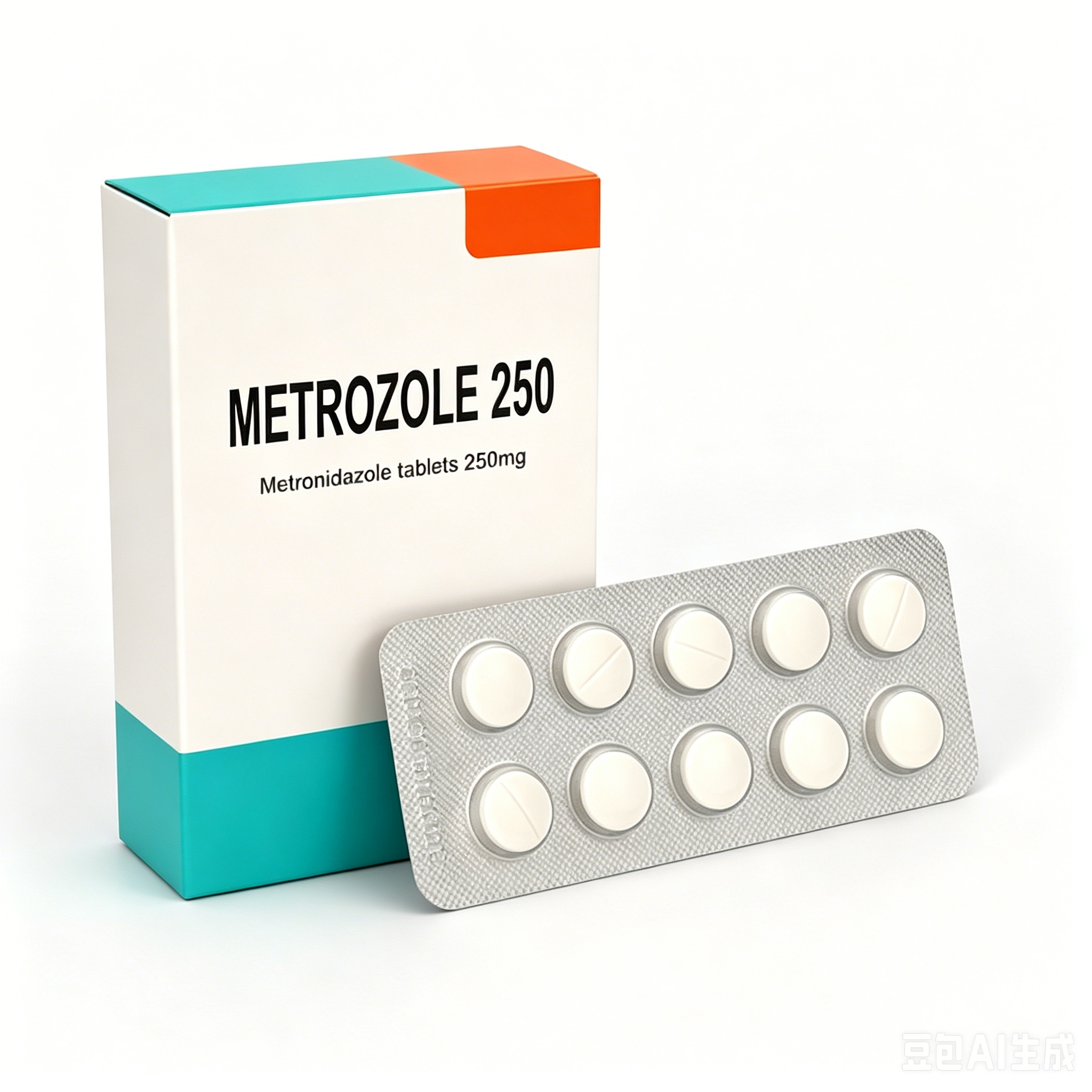
Metronidazole Tablets
Pharmacological category: Nitroimidazole antibiotics, anti-anaerobic bacteria & anti-protozoal drug
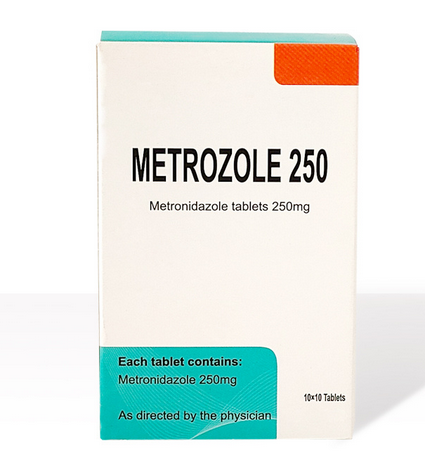
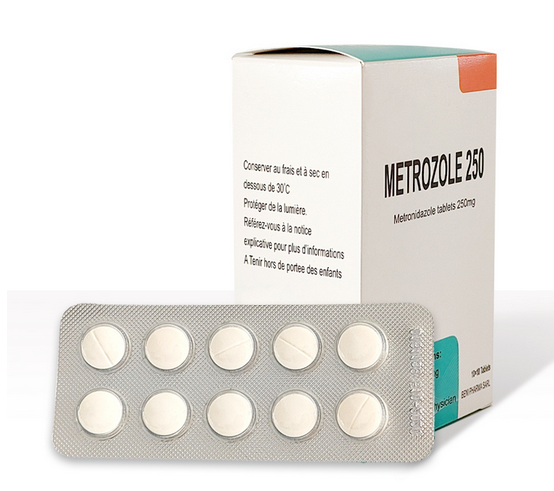
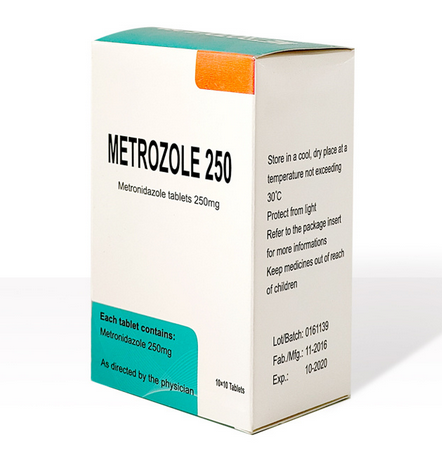

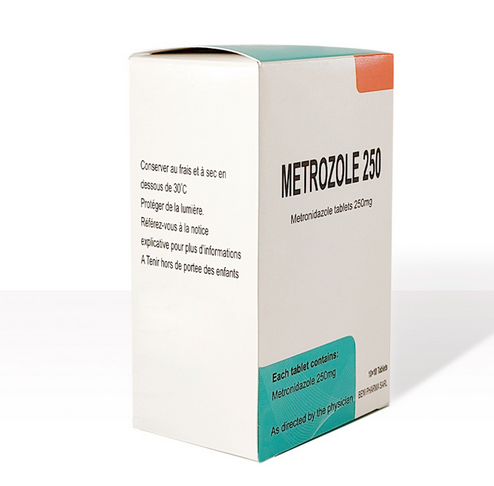
1.Mechanism of action:
Penetrates into anaerobic bacteria and protozoan cells, reduces the nitro group to amino group, interferes with the DNA synthesis and replication of pathogenic microorganisms, exerts potent bactericidal and anti-protozoal effects. It is highly sensitive to most anaerobic Gram-positive and Gram-negative bacteria, Entamoeba histolytica, Trichomonas vaginalis and Giardia lamblia. No antibacterial effect on aerobic bacteria and facultative anaerobes, oral absorption is complete, bioavailability up to 90%, peak plasma concentration reached in 1-2 hours, duration of action 8-12 hours.
2.Indications:
Mild to moderate infections caused by sensitive anaerobic bacteria including oral infection, abdominal infection, pelvic infection, skin and soft tissue infection; intestinal and hepatic amebiasis, vaginal trichomoniasis, giardiasis, bacterial vaginosis; adjuvant treatment for mixed infections combined with other antibiotics, also used for the prevention of postoperative anaerobic bacterial infection.
3.Usage and dosage:
Oral administration, take with warm water, can be taken with or without food. Adult: 0.2~0.5g once, 3 times a day, the course of treatment is 7~10 days. Pediatric: 7.5~10mg per kg body weight each time, 3 times a day, adjust the dosage according to age and condition. For amebiasis and trichomoniasis, the dosage can be increased appropriately and follow the doctor's advice strictly.
4.Contraindications:
Contraindicated in patients allergic to this product, nitroimidazole derivatives and any excipients of the preparation; contraindicated in patients with active central nervous system diseases (epilepsy, encephalopathy) and hematological diseases; contraindicated in the first trimester of pregnancy.
5.Cautious population:
Use with caution in patients with severe hepatic insufficiency (reduce dosage properly); use with caution in patients with peptic ulcer, gastritis and gastrointestinal bleeding history; pregnant women in the second and third trimesters use with caution after weighing benefits and risks; lactating women suspend breastfeeding during medication and within 24 hours after withdrawal; elderly patients use with caution and reduce dosage appropriately; infants and young children use under strict medical guidance.
6.Adverse reactions:
Common mild gastrointestinal discomfort such as nausea, vomiting, abdominal pain, diarrhea, anorexia and metallic taste in the mouth; occasional dizziness, headache, fatigue, insomnia and numbness of limbs; rare rash, pruritus, leukopenia, thrombocytopenia and elevated transaminase; long-term or high-dose use may cause peripheral neuritis, convulsion and ataxia; adverse reactions are mild and reversible, the incidence is lower than injection and infusion formulations.
7.Notes:
Strictly prohibit drinking alcohol and alcoholic beverages during medication and within 7 days after withdrawal, to prevent disulfiram-like reaction (flushing, headache, vomiting, palpitations, hypotension); long-term medication should monitor blood routine and liver function regularly; complete the full course of treatment to avoid anaerobic bacteria drug resistance; take with food can reduce gastrointestinal irritation.
Welcome to submit any questions and suggestions. We will reply to you as soon as possible. Thank you for your support and help.