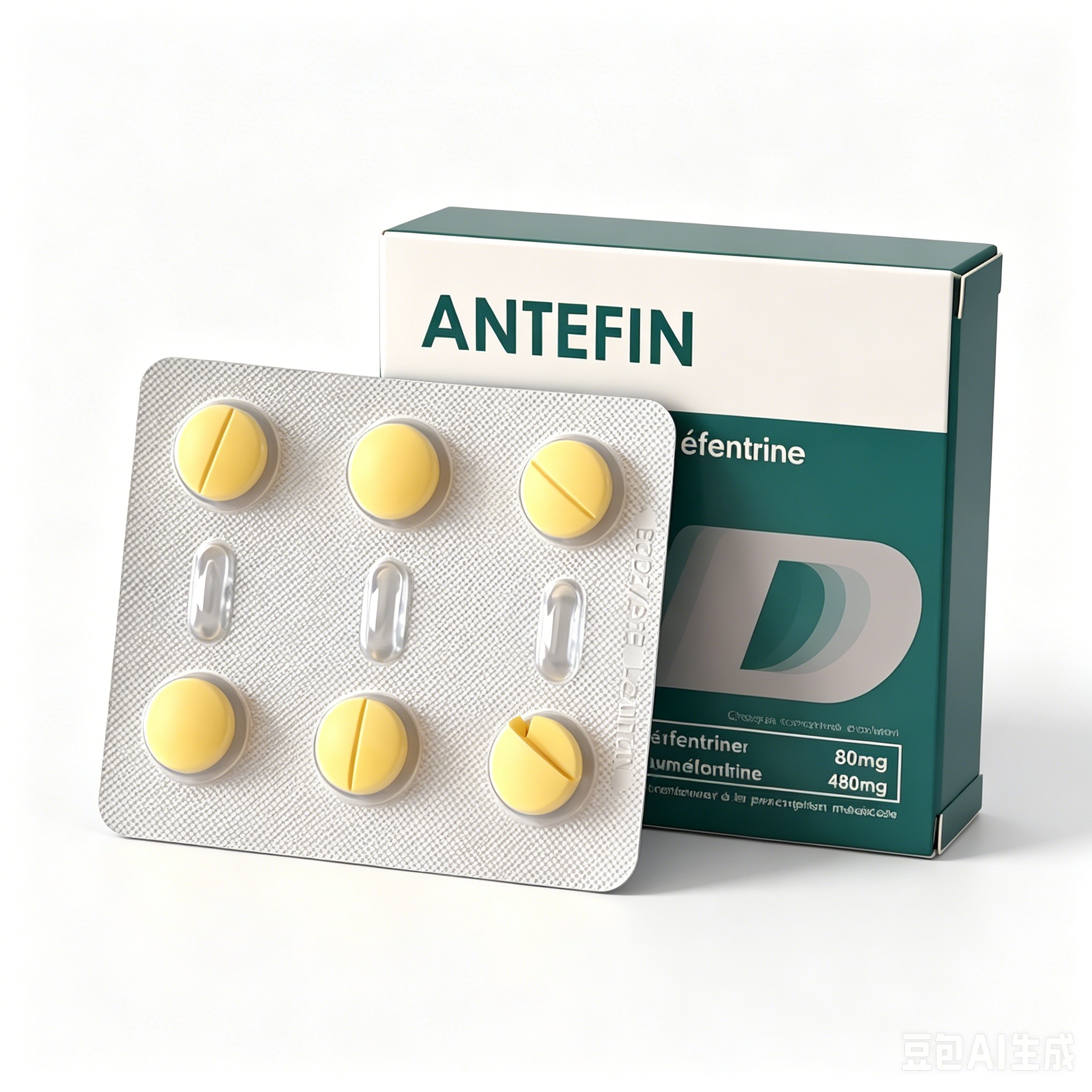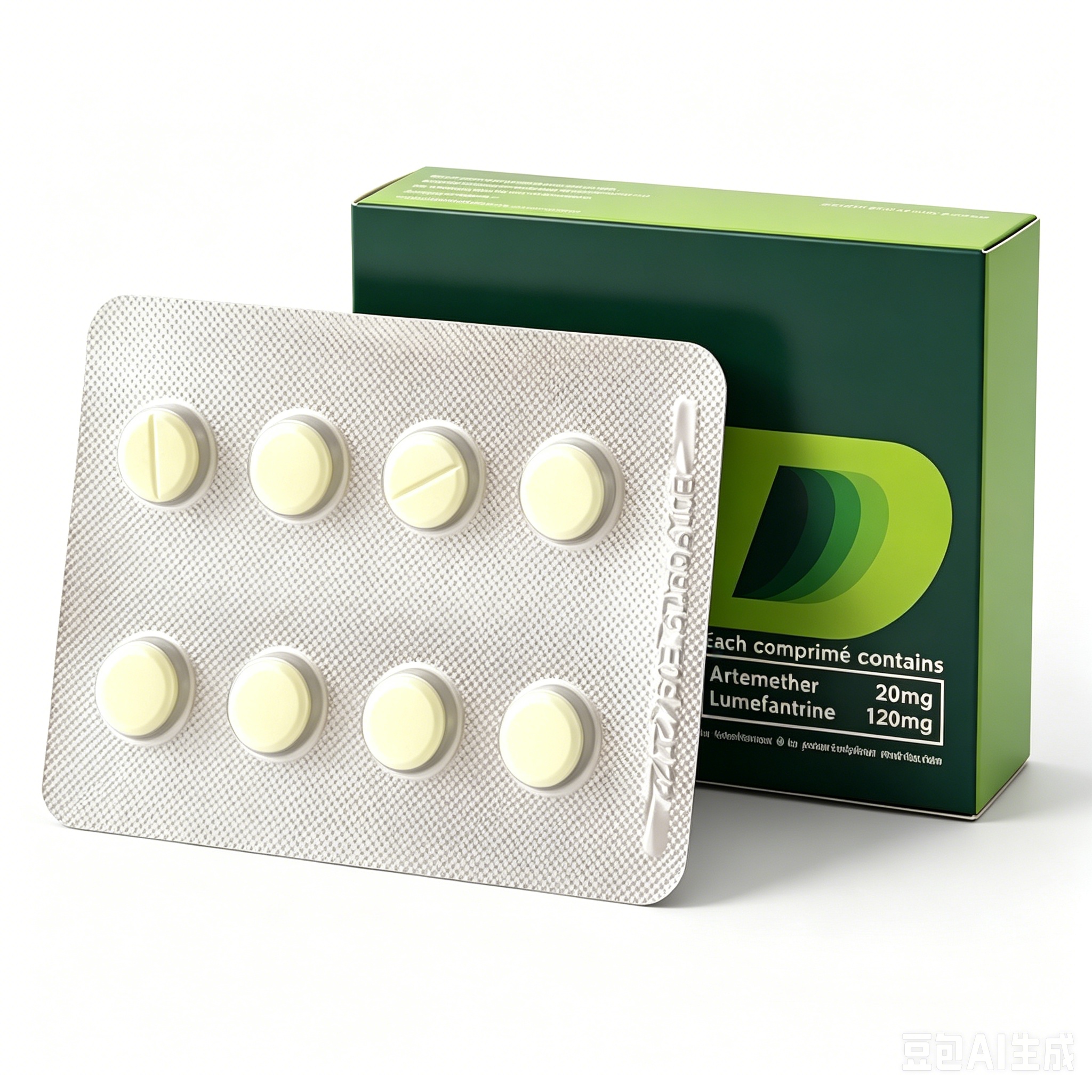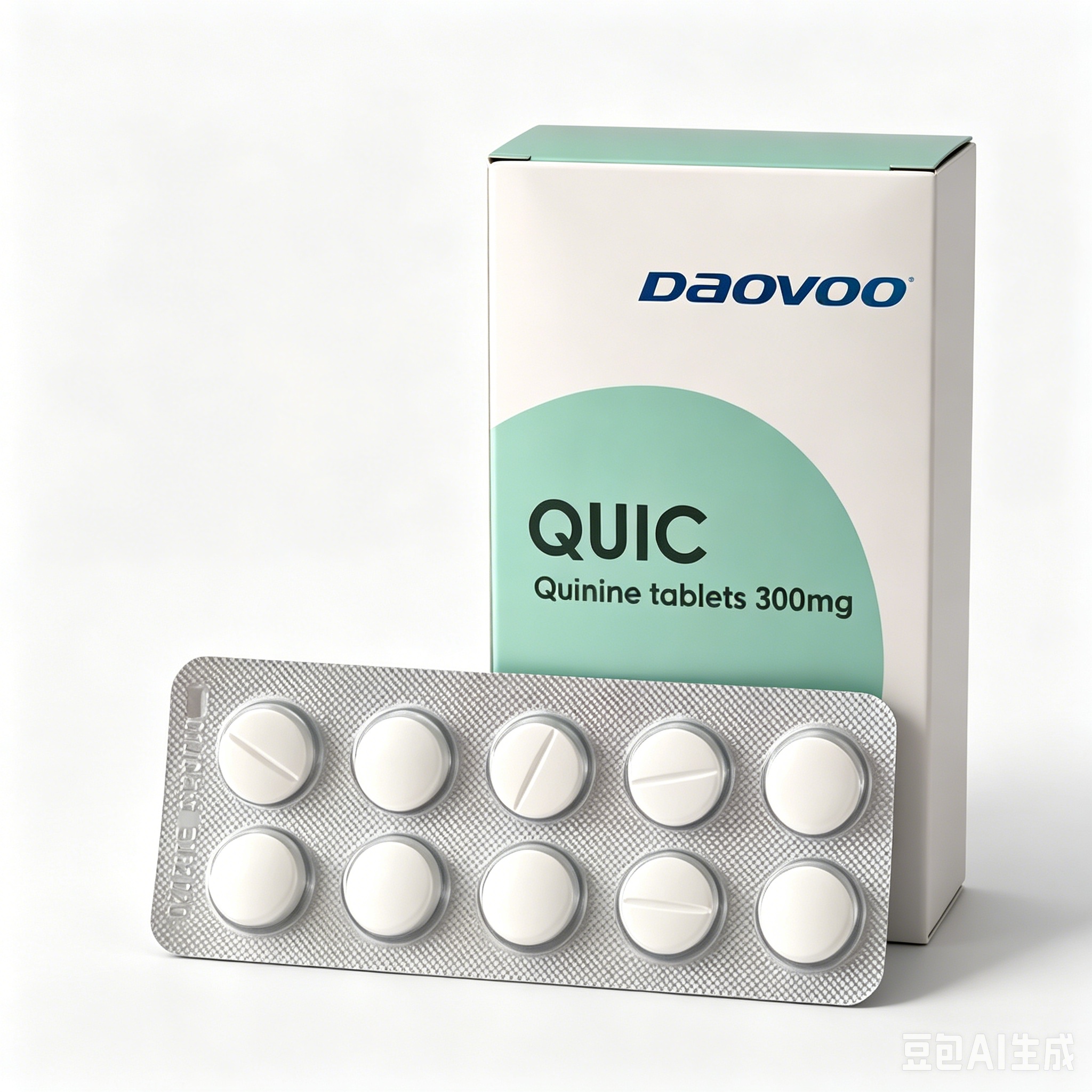

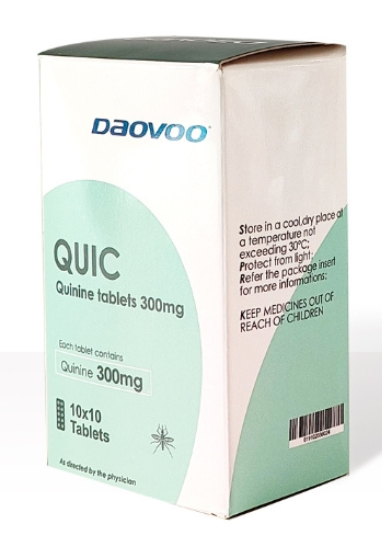
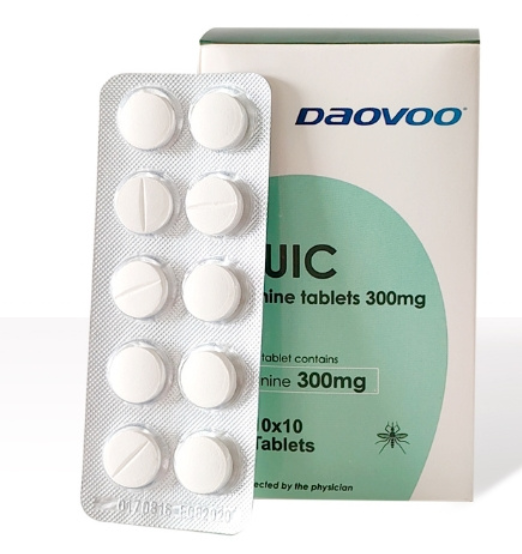
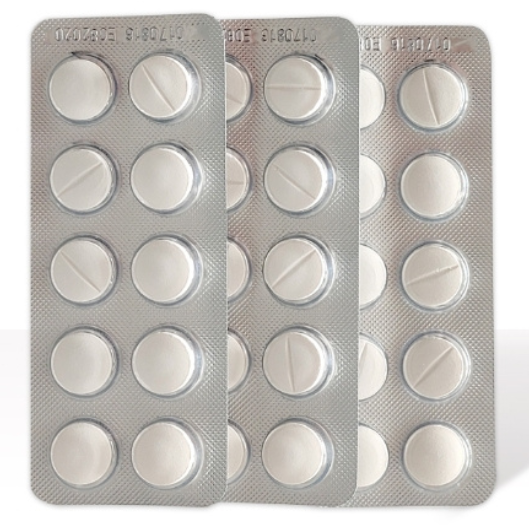
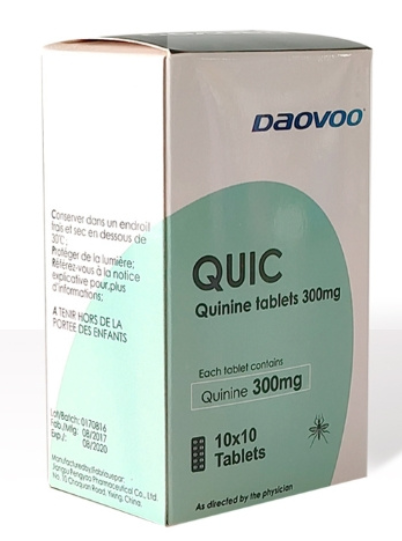
Pharmacological category: Antimalarial drug, anti-plasmodium drug
1.Mechanism of action:
Inhibit the reproduction of plasmodium in erythrocytes, interfere with the metabolism of plasmodium, and exert anti-malarial effect, can also relieve malaria-induced fever and pain symptoms.
2.Indications:
Used for the treatment of falciparum malaria, vivax malaria and ovale malaria, and also for the symptomatic treatment of malaria with severe fever and chills.
3.Usage and dosage:
Oral administration. Adult: 0.3~0.6g once, 3 times a day, the course of treatment is 7 days. Pediatric: The daily dose is 30mg per kg of body weight, divided into 3 times for oral administration, follow the doctor's advice for infants and young children.
4.Contraindications:
Contraindicated in patients allergic to quinine and its preparations; contraindicated in patients with severe cardiac insufficiency, severe liver and renal insufficiency; contraindicated in pregnant women in the first 3 months and lactating women.
5.Cautious population:
Use with caution in patients with arrhythmia, gout, optic neuritis, tinnitus and deafness; use with caution in elderly patients and children; use with caution in patients with myasthenia gravis.
6.Adverse reactions:
Common tinnitus, hearing loss, blurred vision, headache, dizziness, nausea, vomiting, abdominal pain, diarrhea; rare rash, pruritus, thrombocytopenia, hemolytic anemia; long-term or excessive use may cause cinchonism, arrhythmia, renal damage and other serious adverse reactions.
7.Notes:
This product is a specific anti-malarial drug, do not use it for common fever; the drug has cumulative toxicity, avoid long-term continuous medication; regular monitoring of liver and kidney function and blood routine during medication; avoid combined use with cardiac glycoside drugs to prevent arrhythmia.
Welcome to submit any questions and suggestions. We will reply to you as soon as possible. Thank you for your support and help.